London & Cambridge Architectural Photographer
For more than two decades I have photographed architectural projects with a disciplined and attentive eye. I am instinctively drawn to proportion, rhythm and the way light reveals form. My approach is calm and methodical — observing how a building sits in its environment, how it is used throughout the day, and how it can be translated into a composed, lasting image.

The Lourve, Abu Dhabi / Jean Nouvel

Kolumba / Peter Zumthor

Homerton College Dining Hall / Fielden

The Shard / Renzo Piano

Whitehall, London
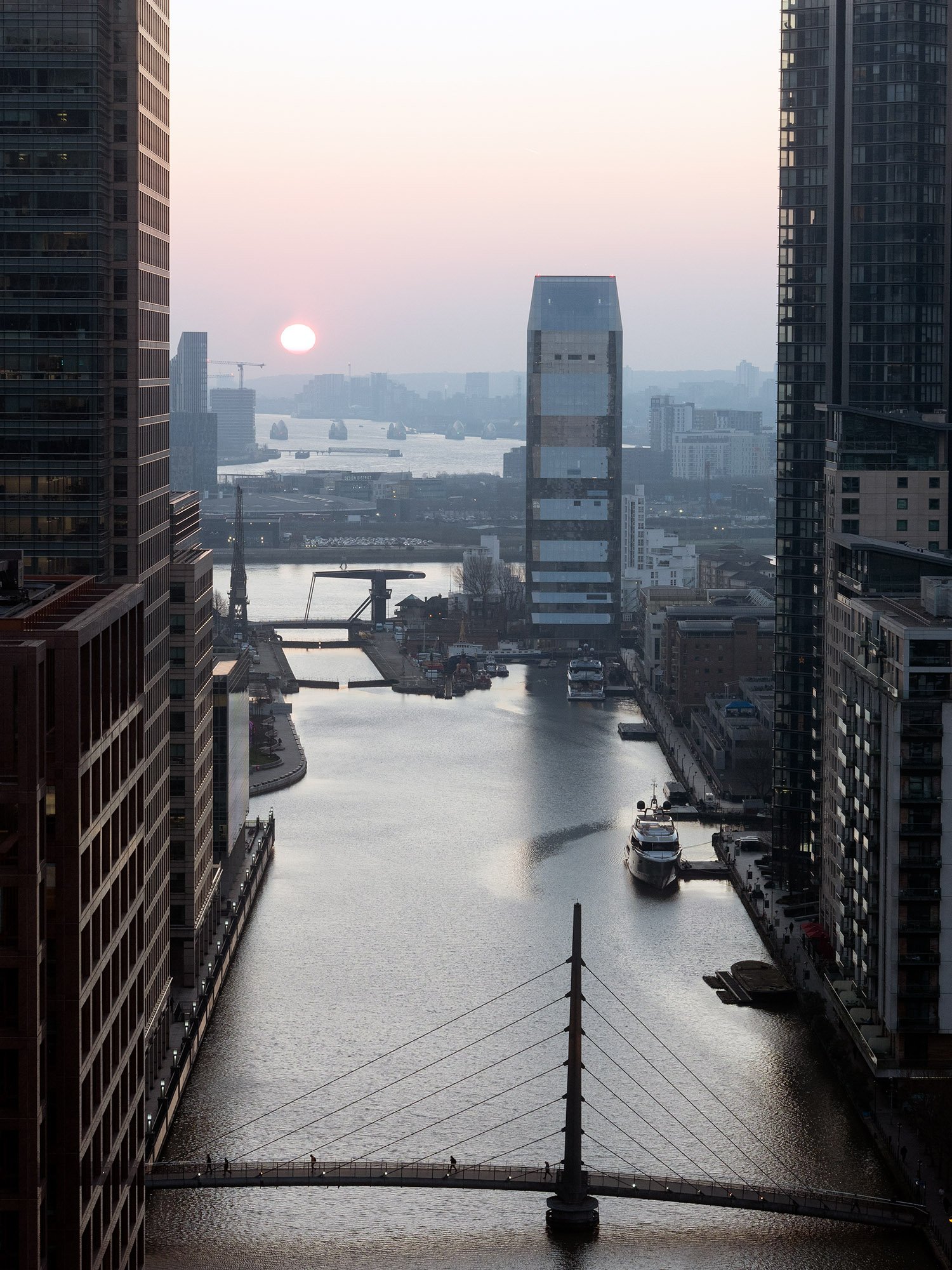
Canary Wharf Development Company
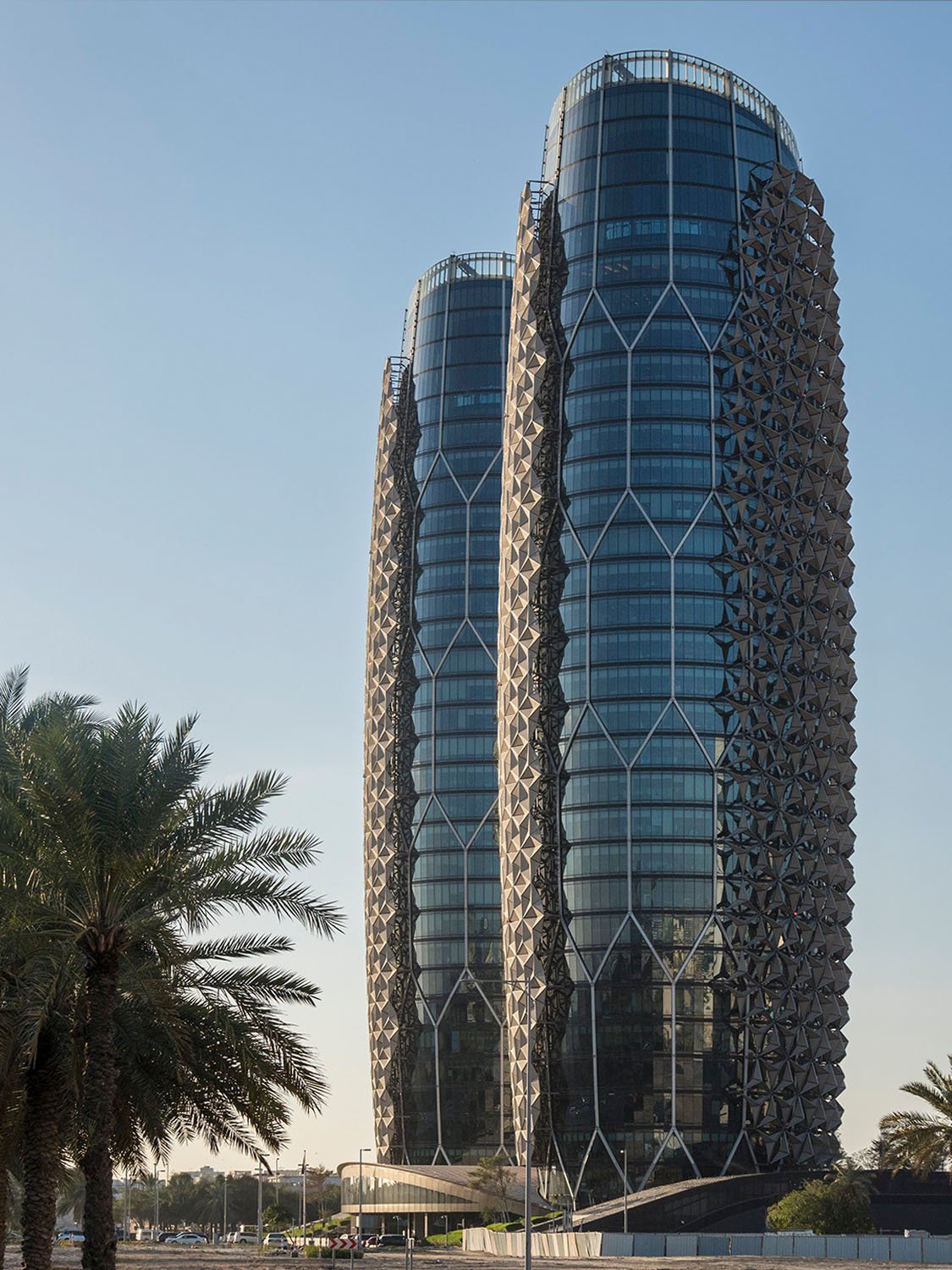
Al Bahar Towers / Aedas

Al Bahar Towers / Aedas
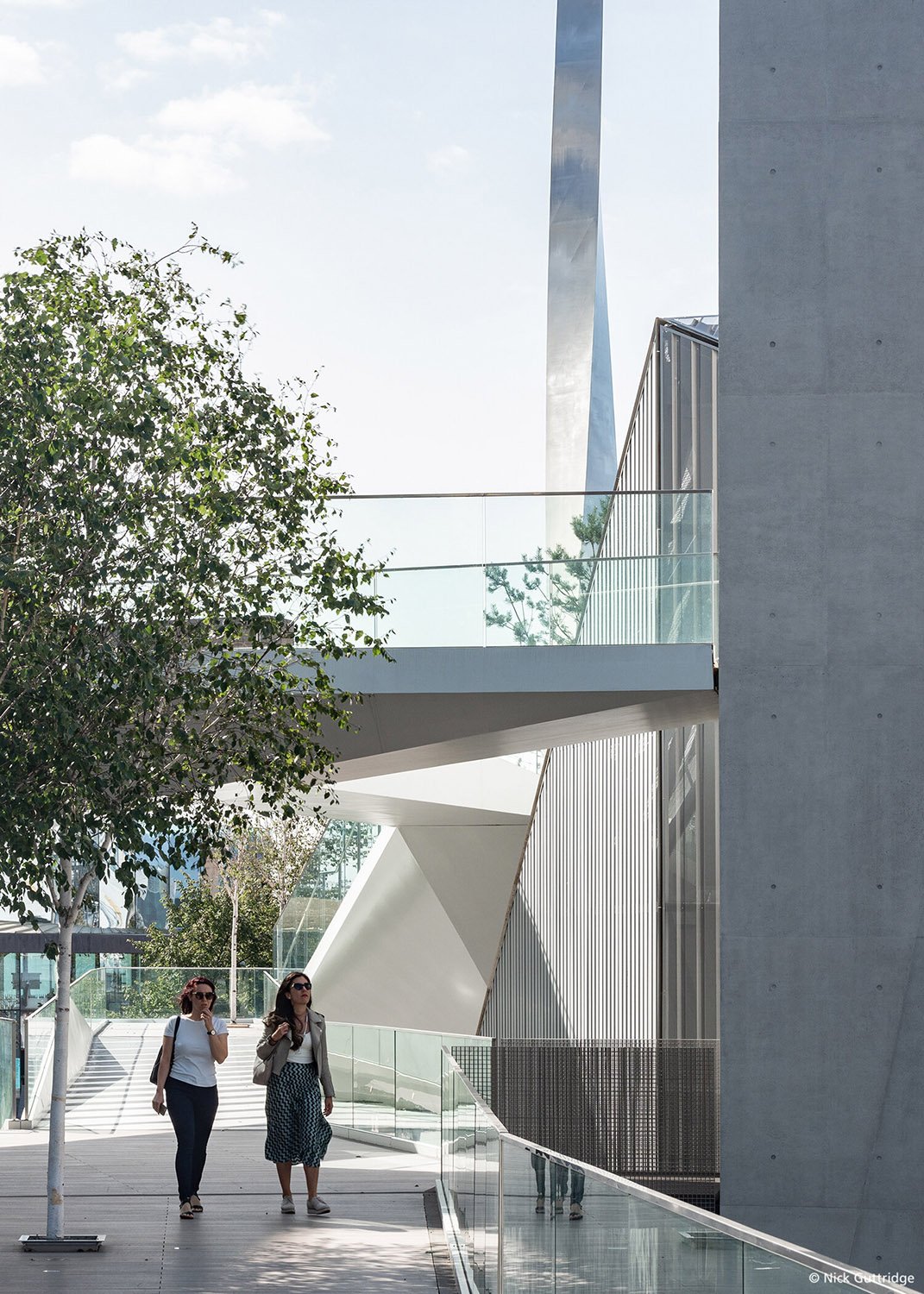
The Tide, Greenwich / Diller Scofidio + Renfro

Cincinnati Contemporary Arts Center / Zaha Hadid
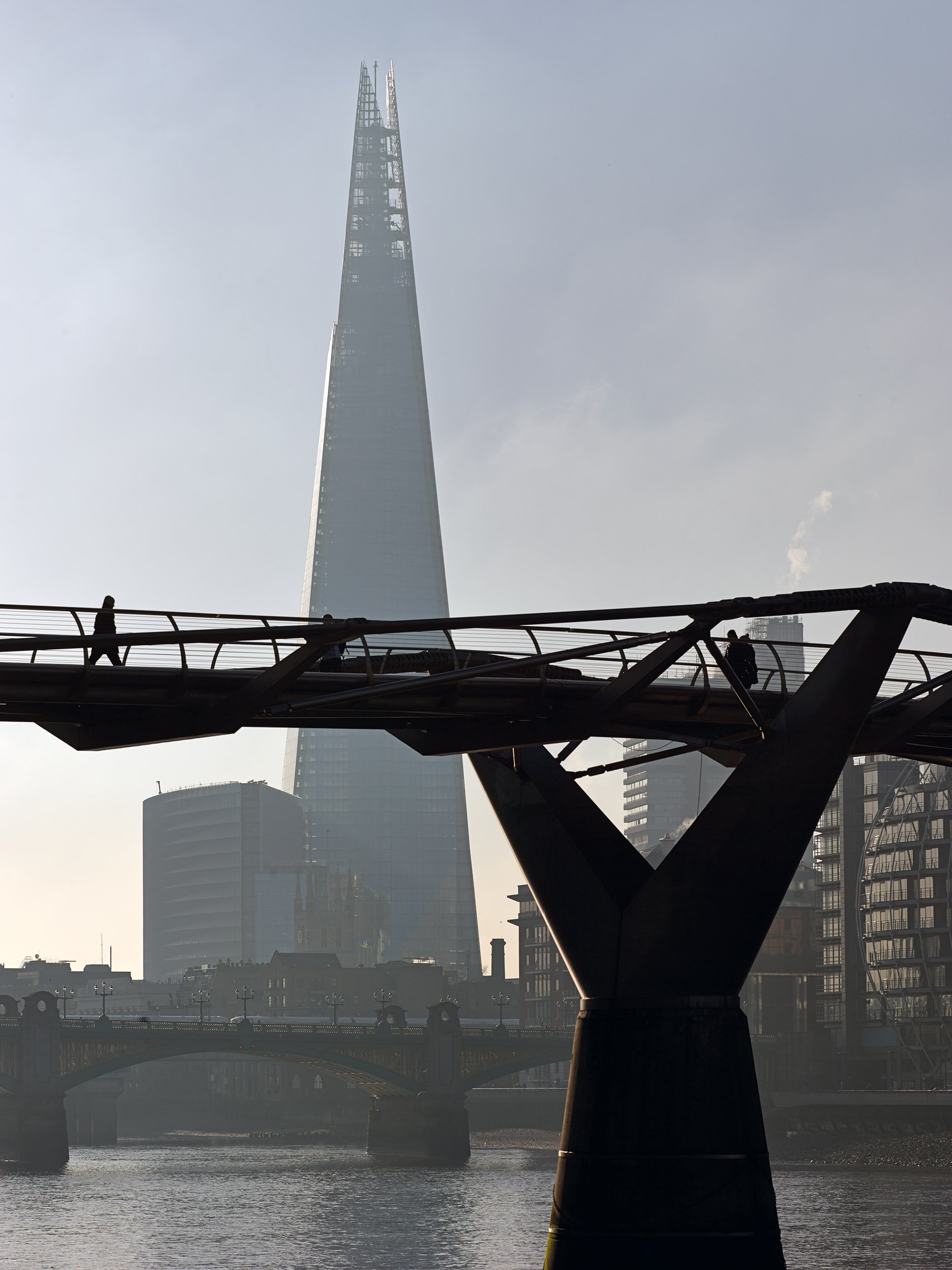
The Shard with Millennium Bridge

The Marshall Building, LSE / Grafton Architects

Doha Tower / Jean Nouvel

Exchange House / SOM

Swiss Re Headquarters, Zurich / Diener & Diener Architekten
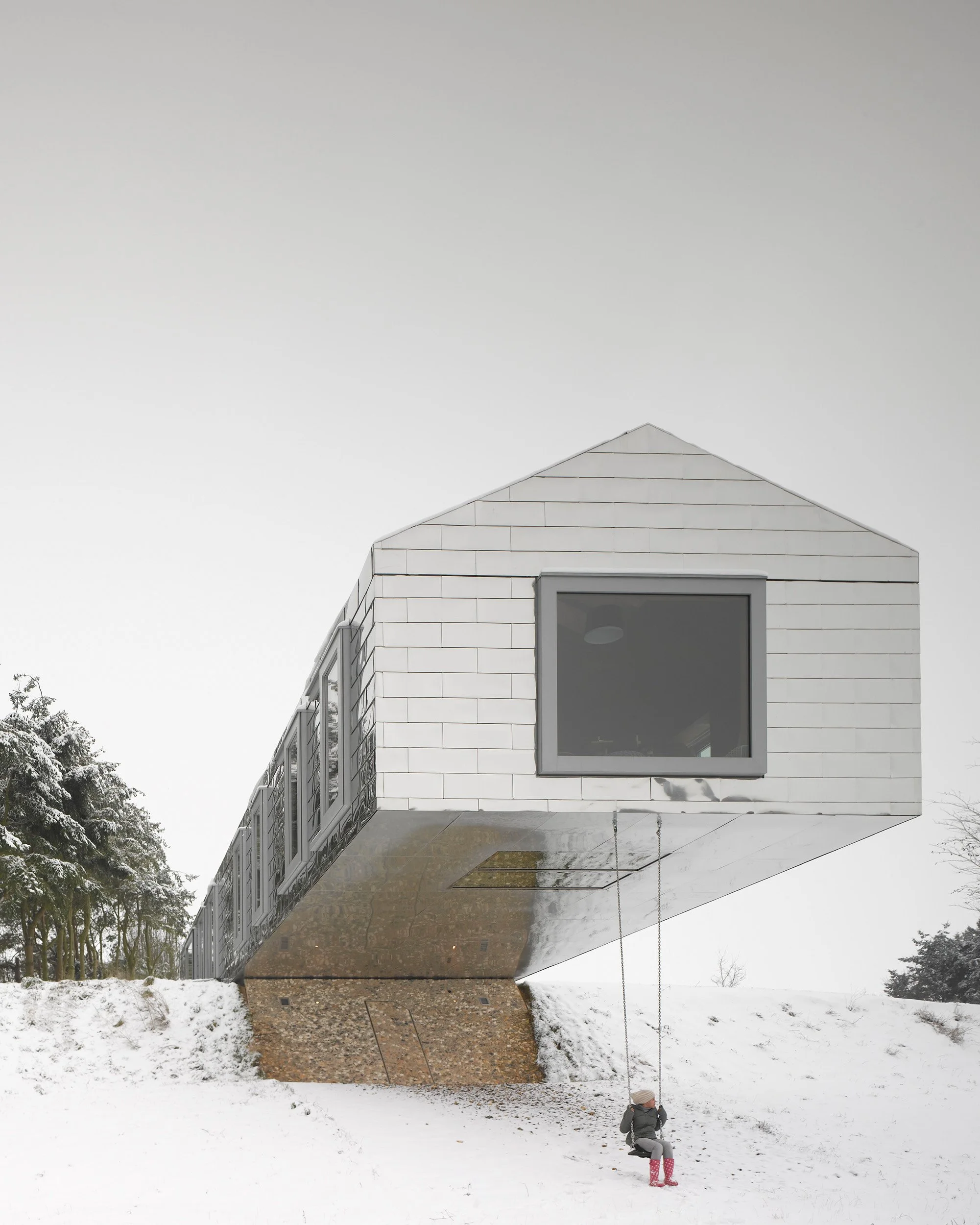
Balancing Barn / MVRDV

Hylo, London / HCL Architects
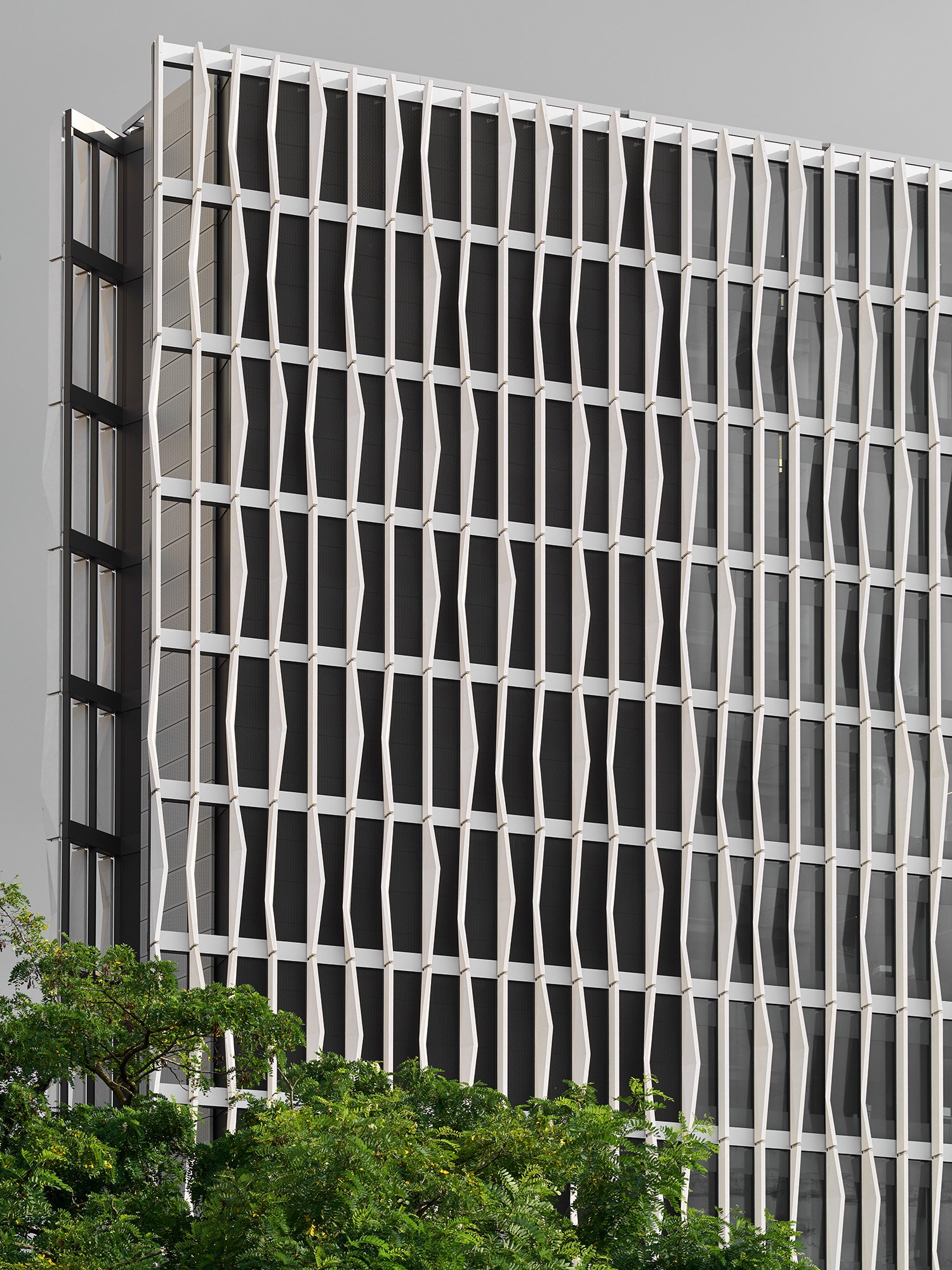
Sir Michael Uren Building / Allies & Morrison

King's College, Cambridge / Allies & Morrison

London Design District / Mole Architects

Pont Jacques Chaban Delmas Bridge, Bordeaux

Denmark / Personal
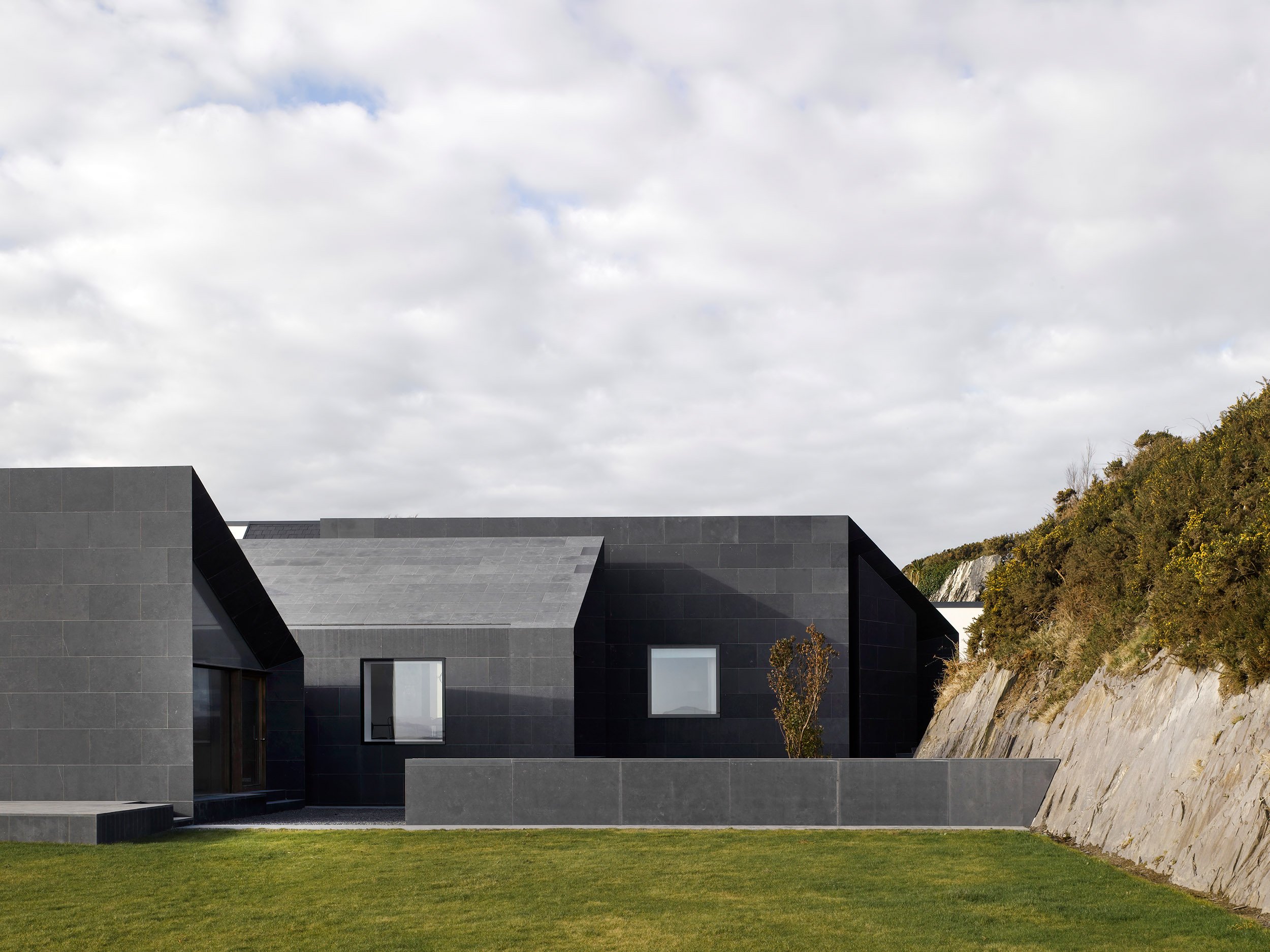
House in Goleen / Niall Mclaughlin

Lingotto Hotel, Turin / Renzo Piano
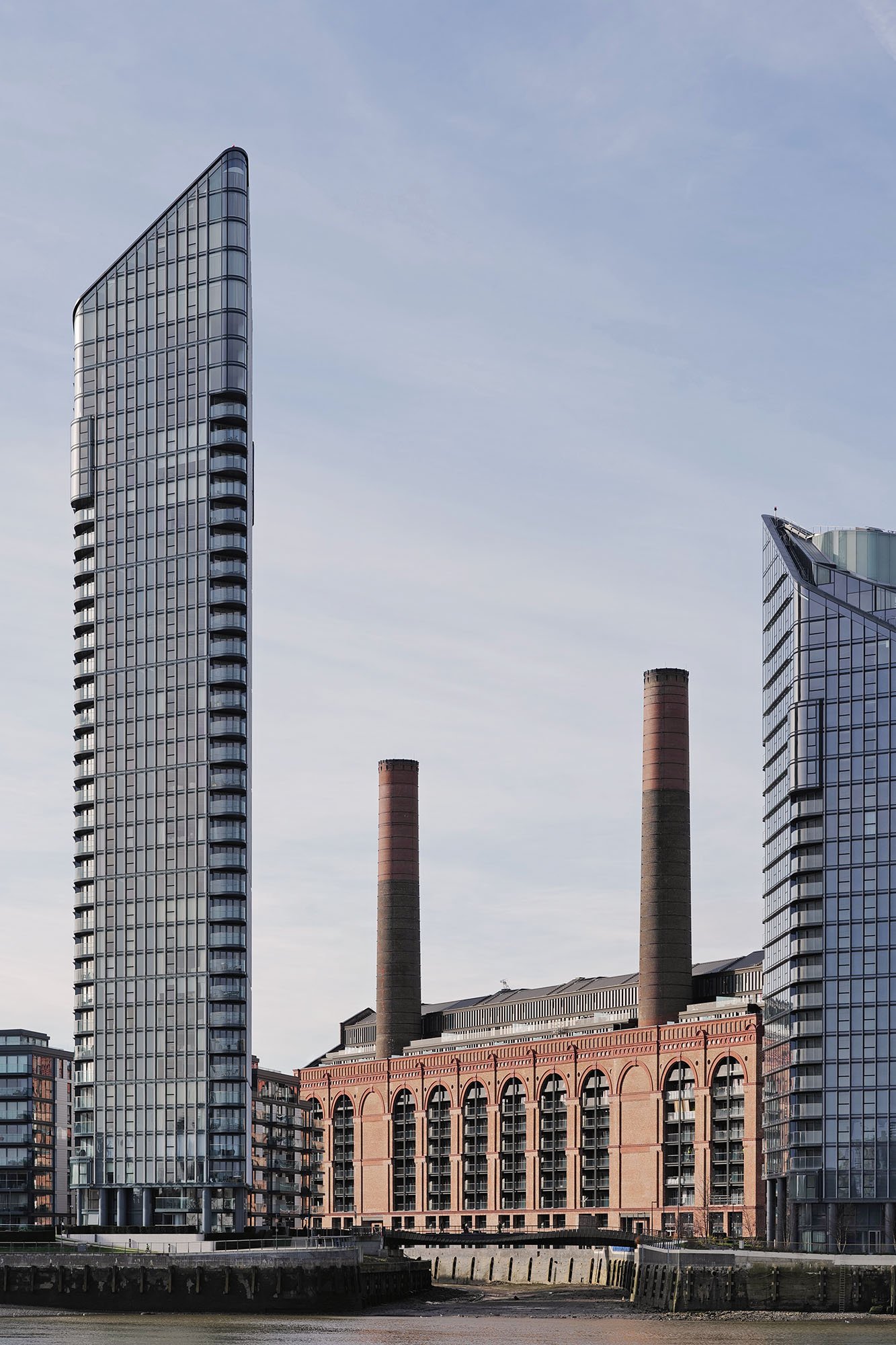
Chelsea Harbour / Farrells

Wellcome Trust / Hopkins Architects
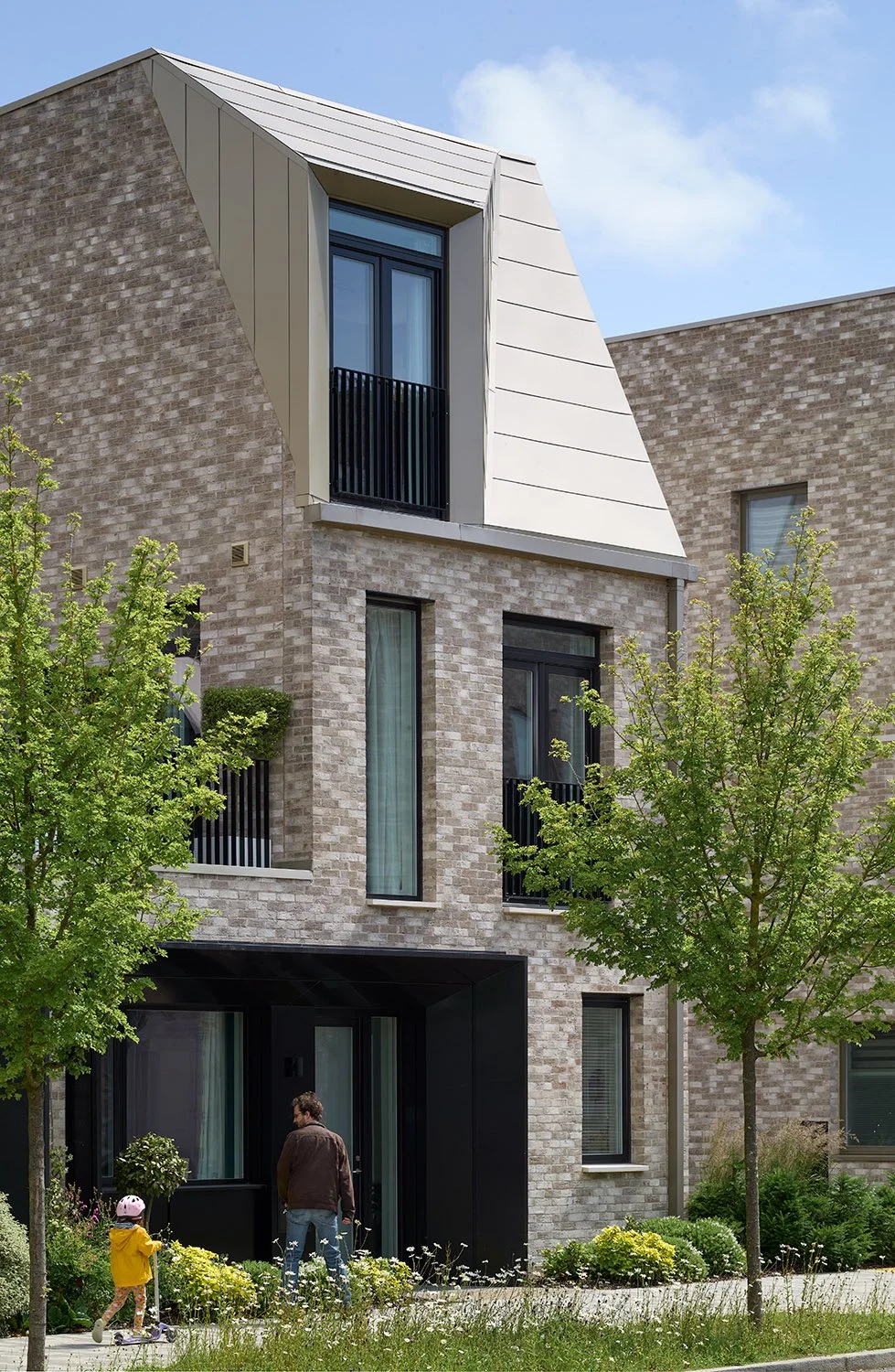
Housing, Eddington, Cambridge / Alison Brooks

RUSI Whitehall Dome / Interface Facade Engineering
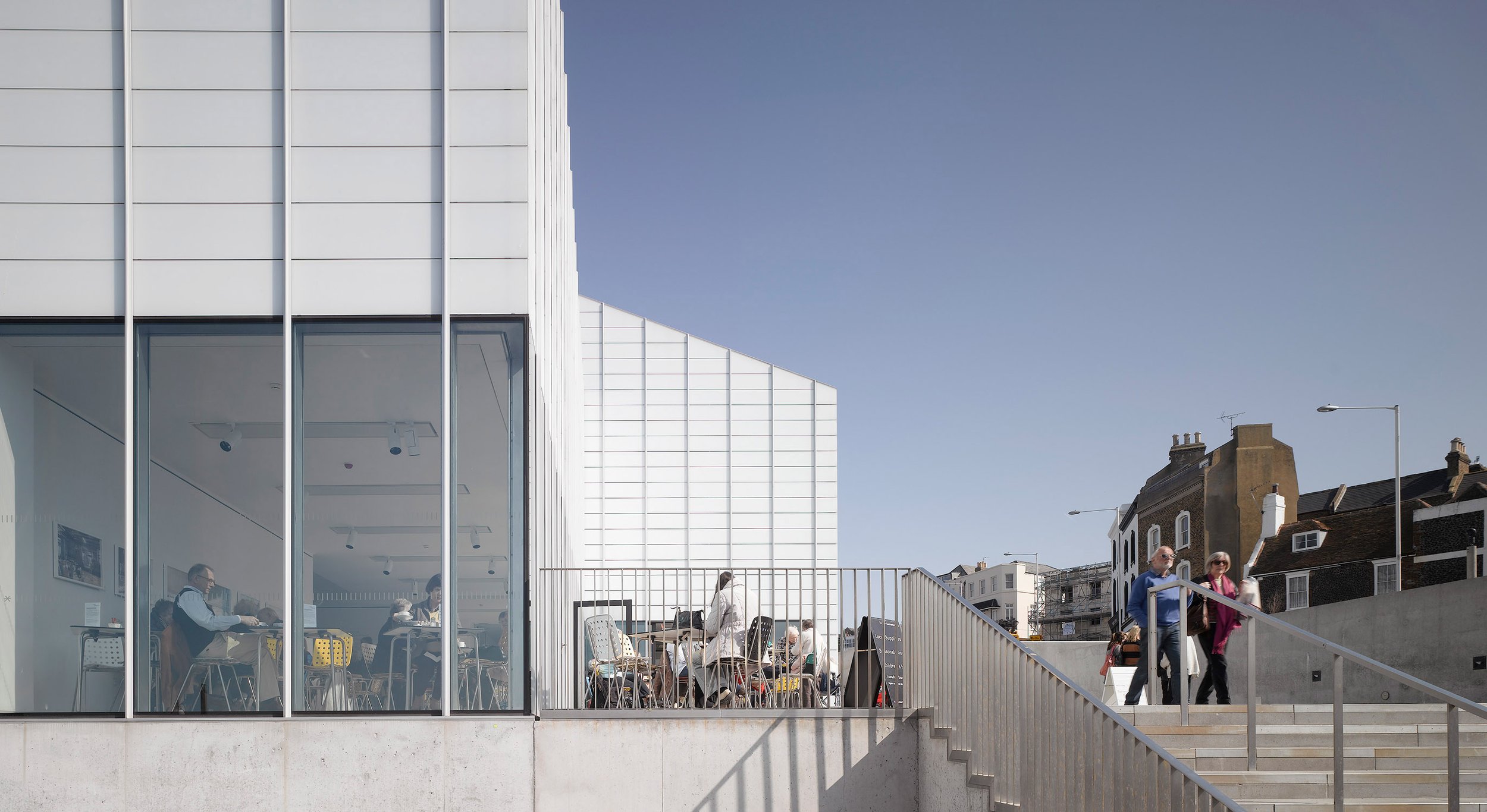
Turner Contemporary / David Chipperfield & Partners

Shanghai / Personal

American Airforce Museum / Foster & Partners

American Airforce Museum / Foster & Partners

American Airforce Museum / Foster & Partners
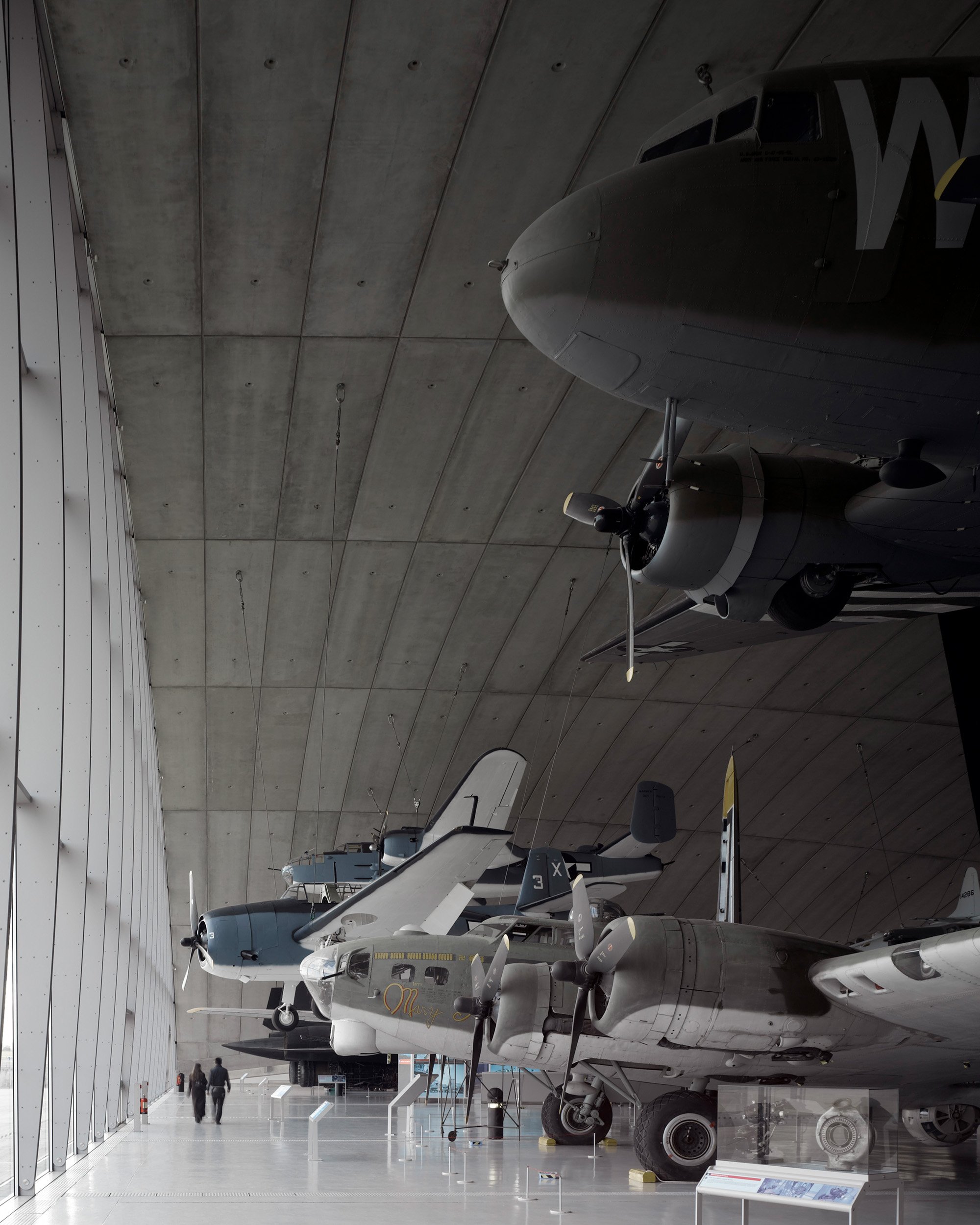
American Airforce Museum / Foster & Partners

The Gerkin / Foster & Partners
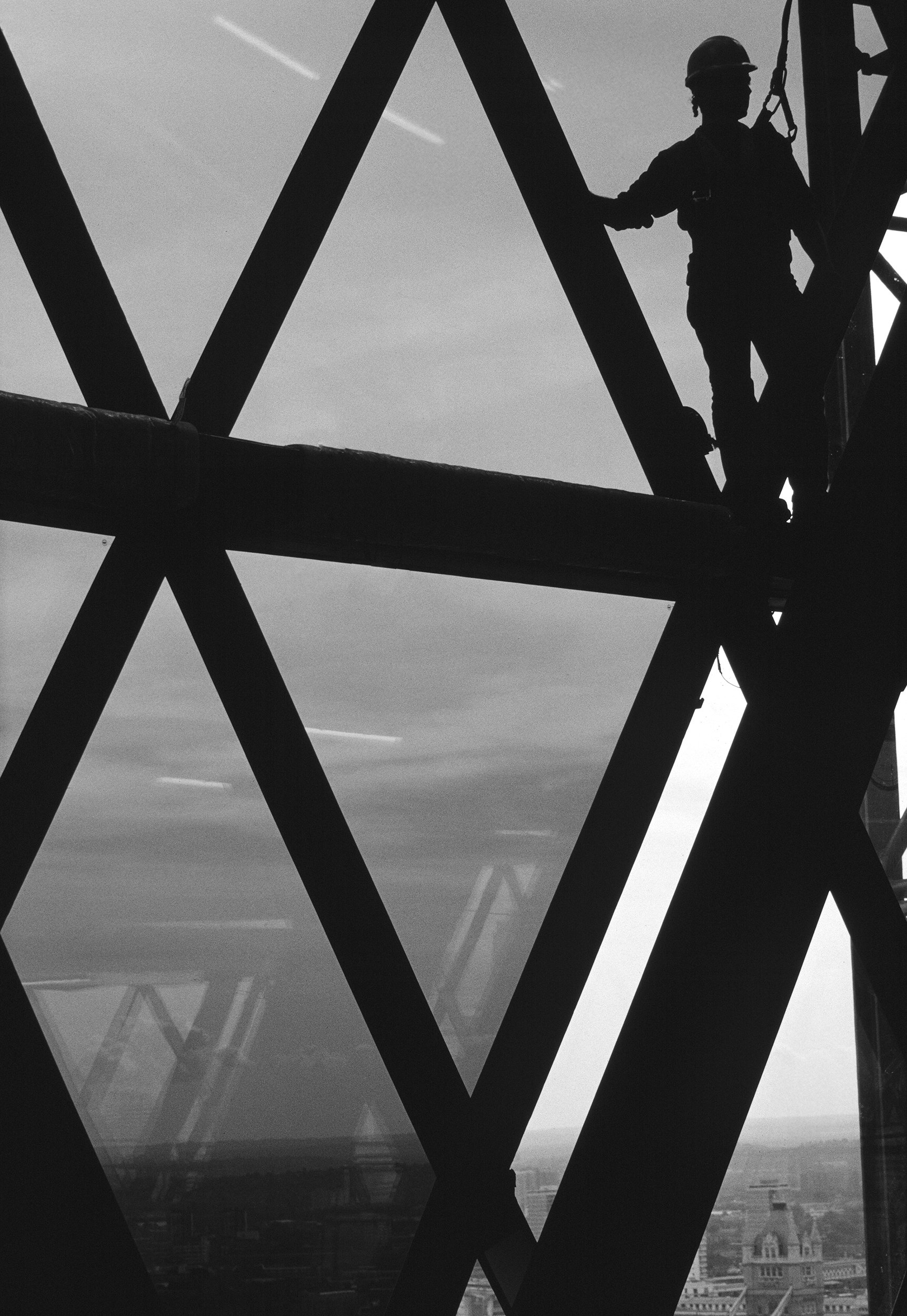
The Gerkin / Foster & Partners
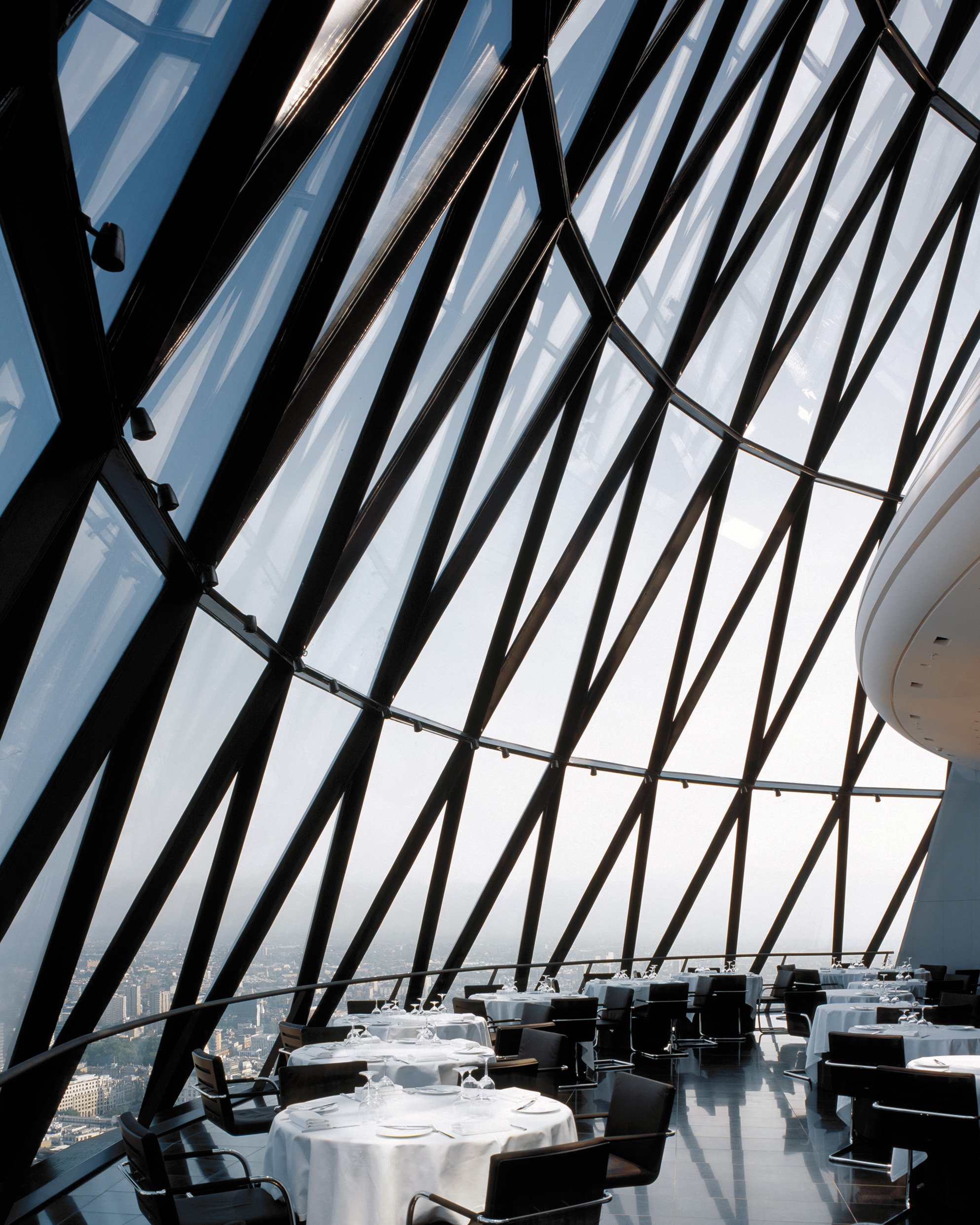
The Gerkin / Foster & Partners

The Gerkin / Foster & Partners

The Gerkin Reception / Foster & Partners
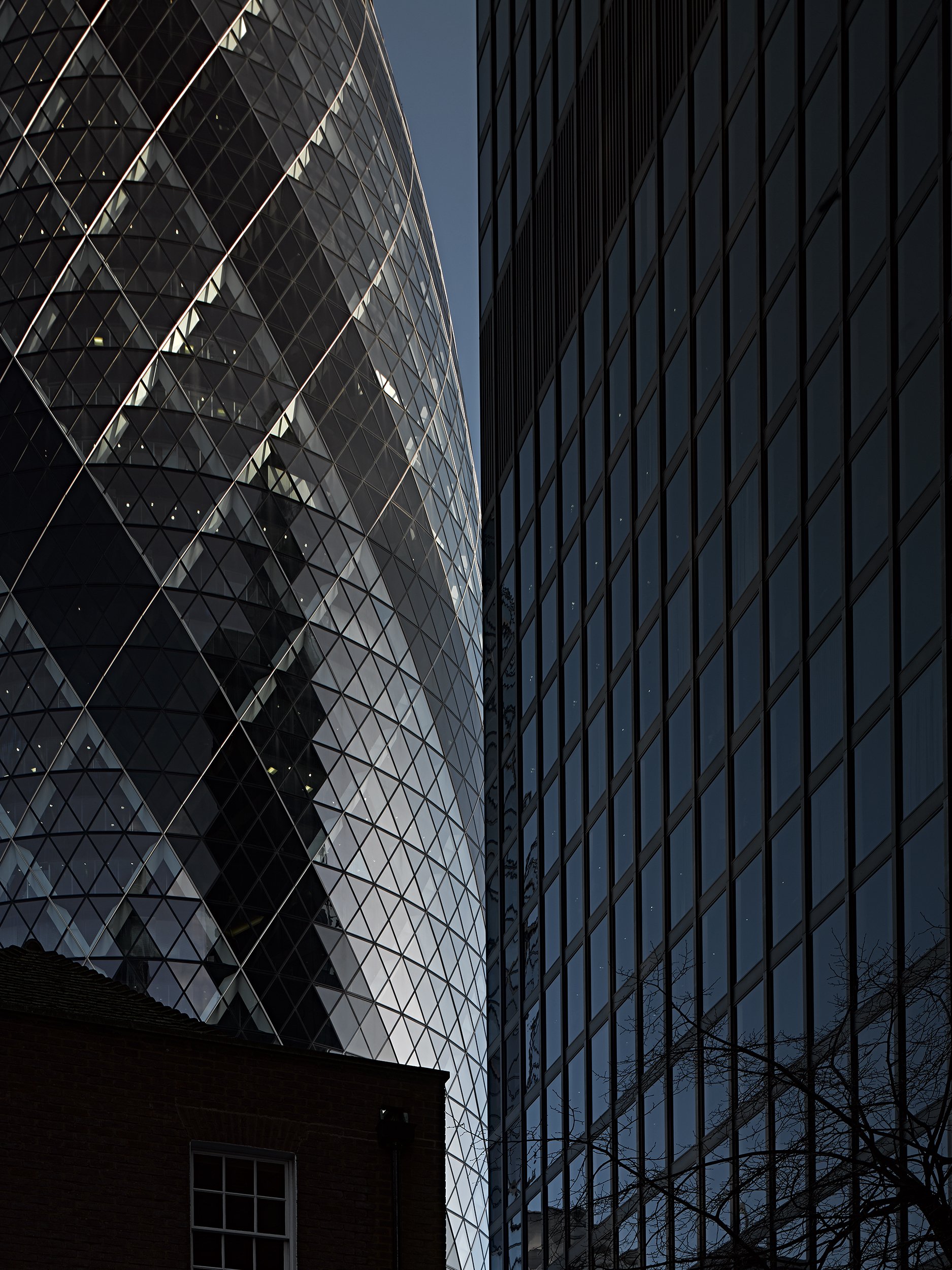
The Gerkin / Foster & Partners

Newfoundland, London / HCL Architects
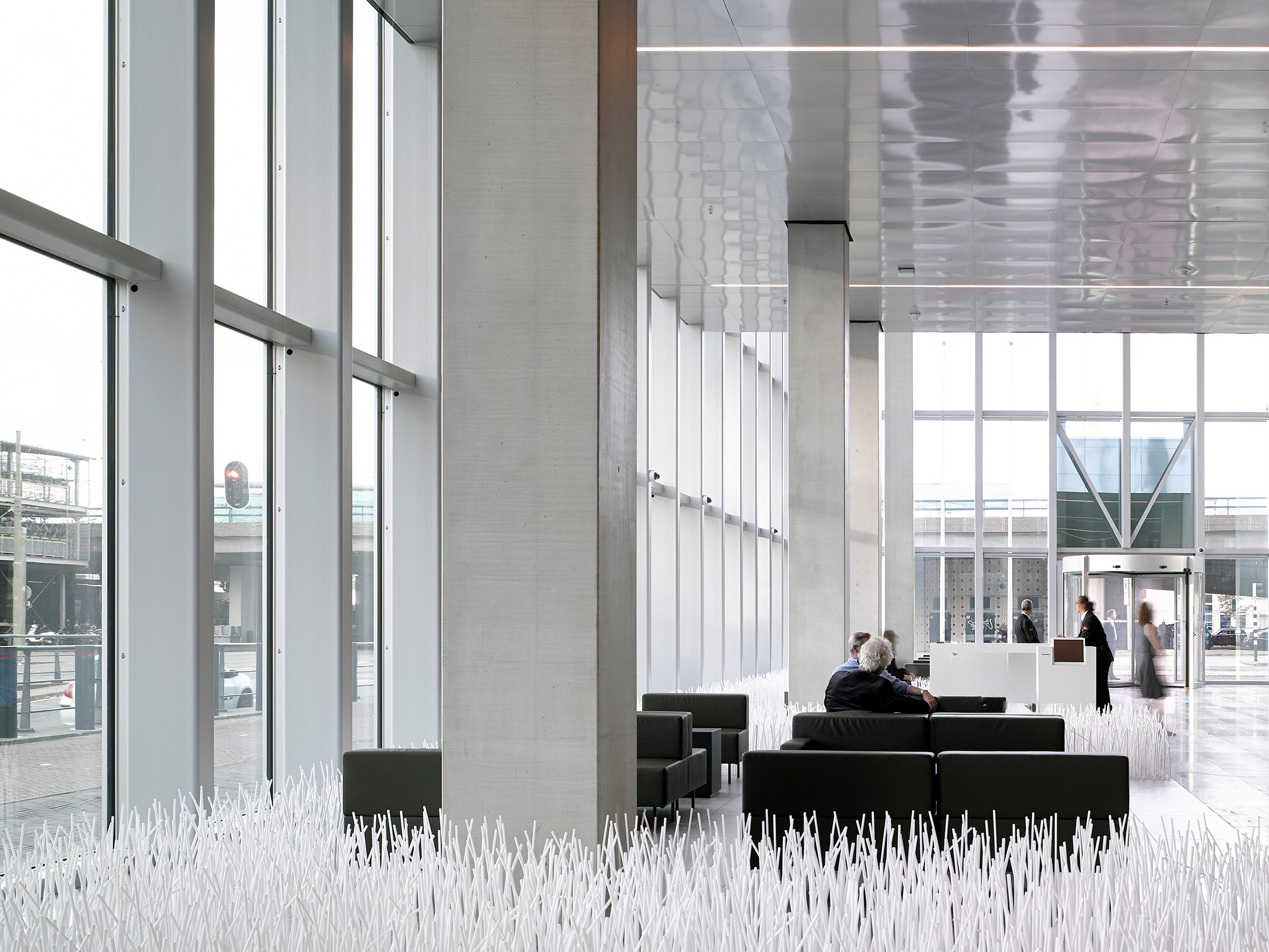
Rijnstraat 8, Den Haag / OMA
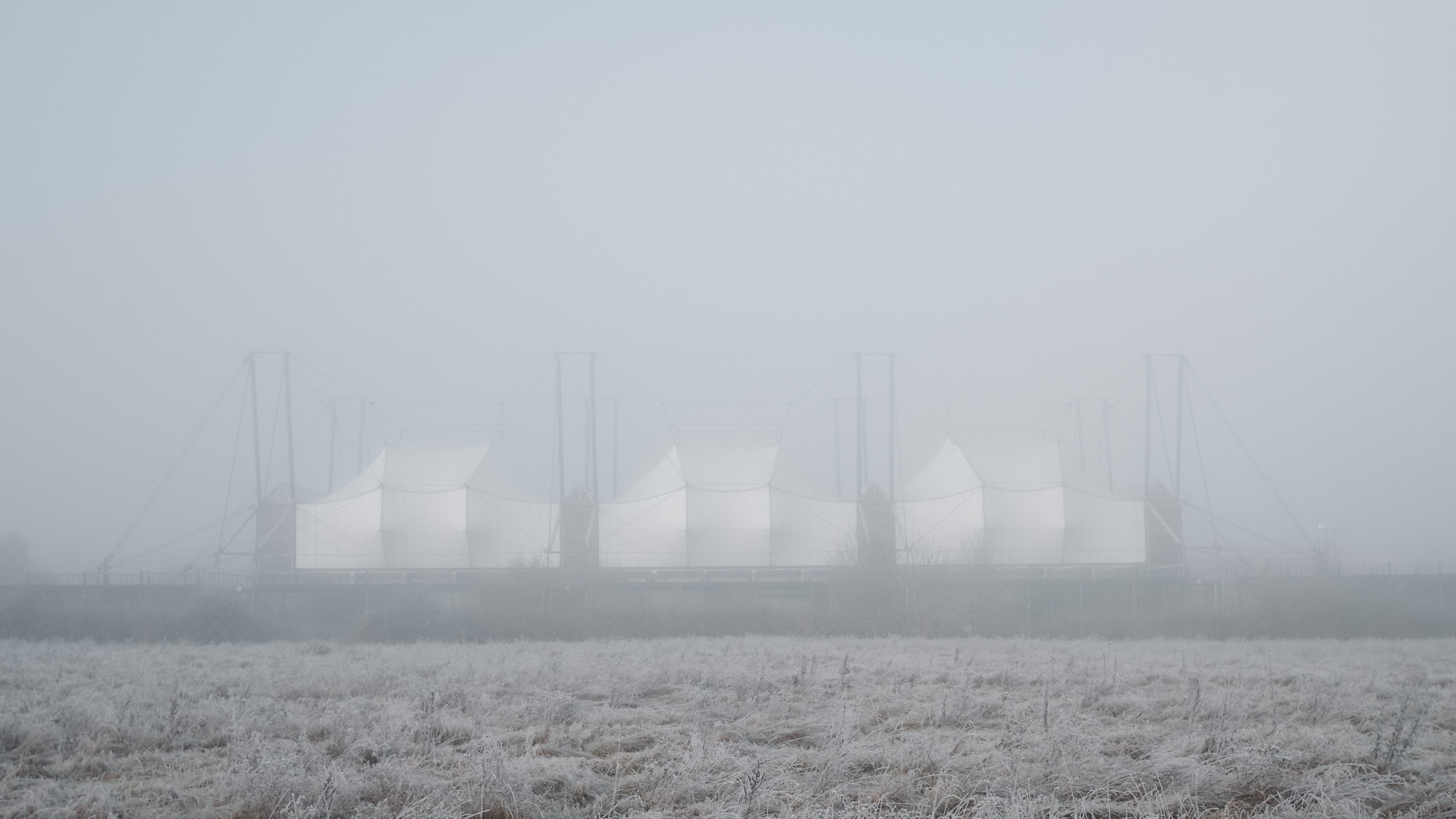
Schlumberger Cambridge Research Centre / Hopkins Architects
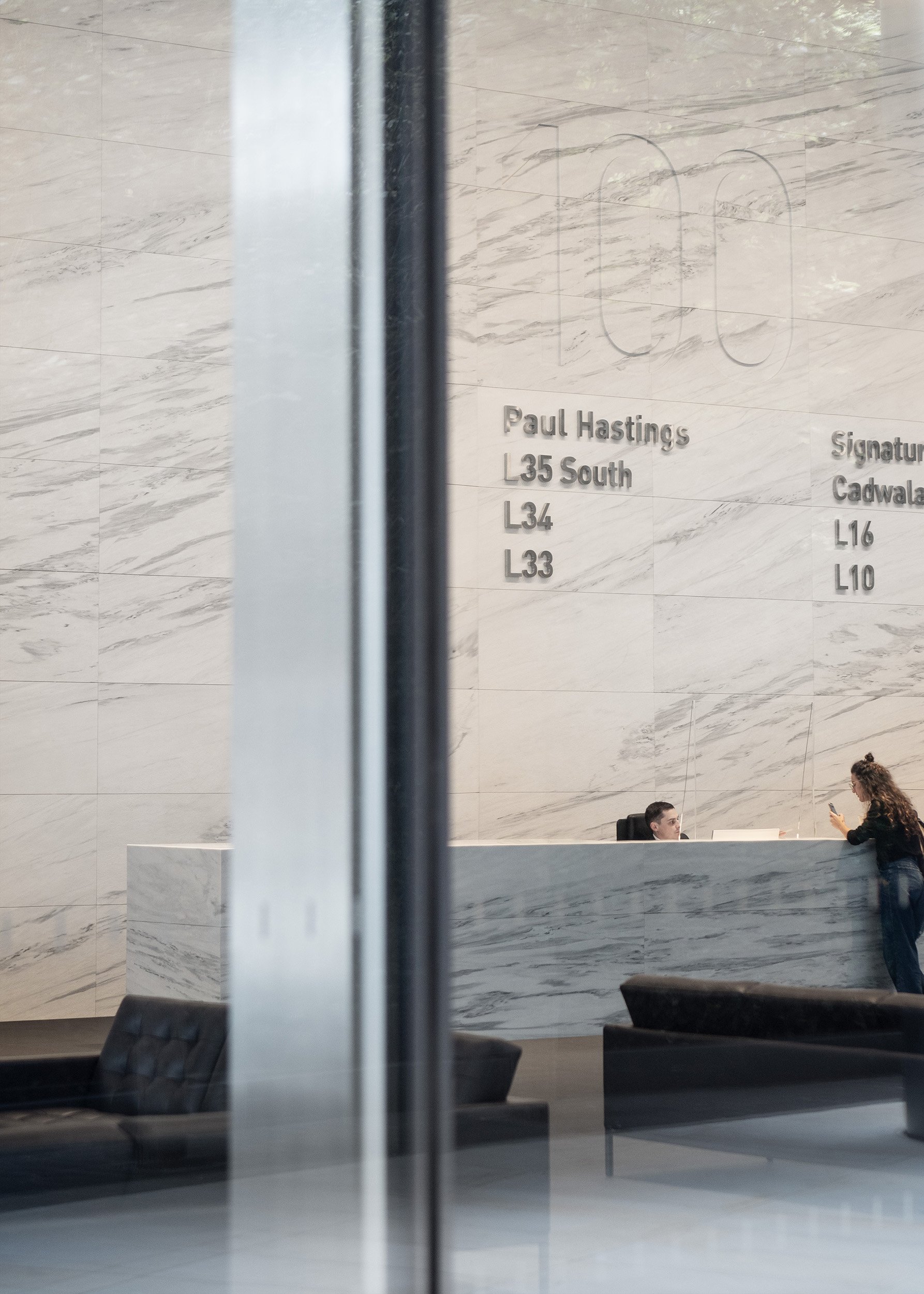
100 Bishopsgate / Allies & Morrison
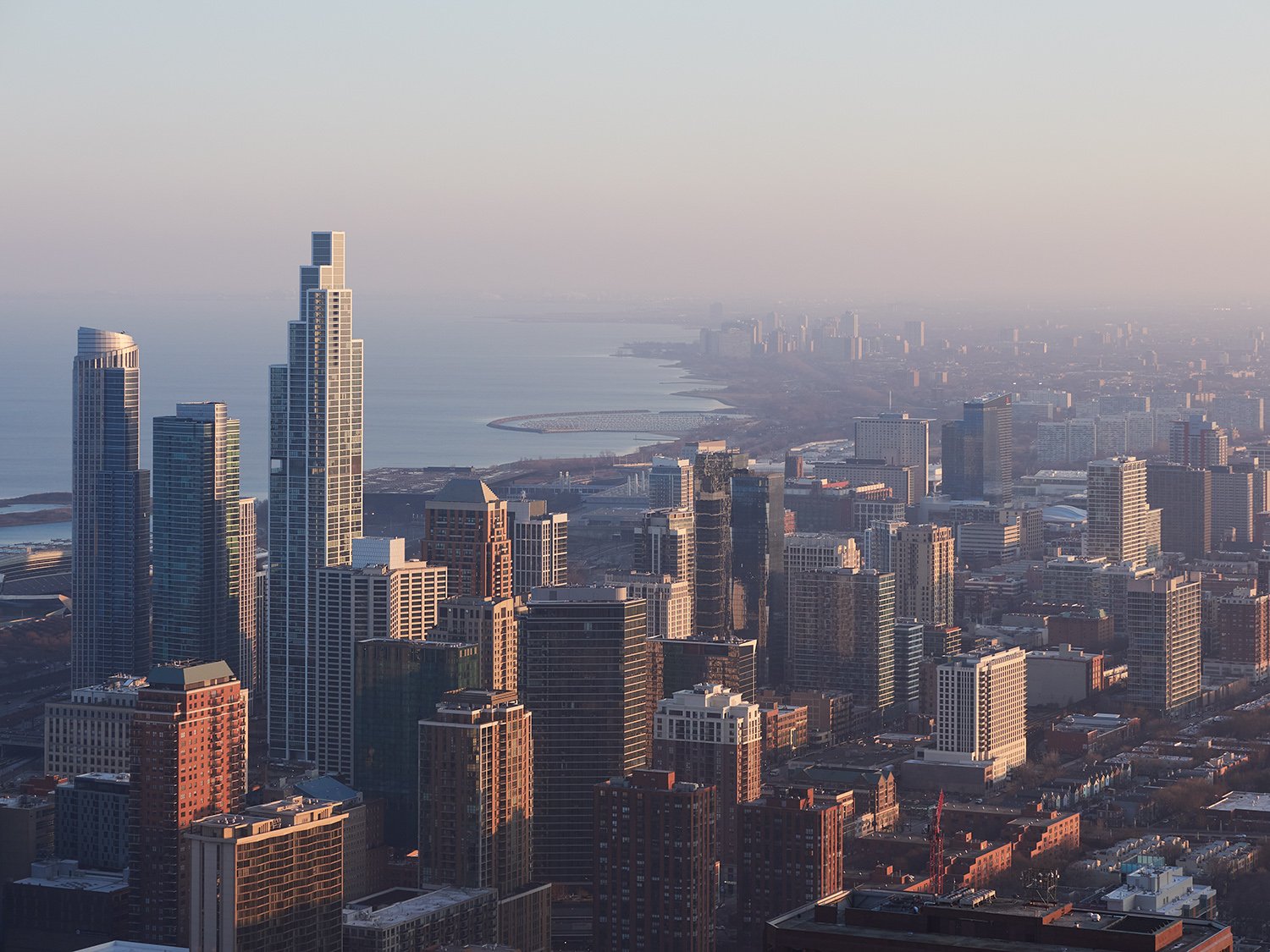
Chicago / Tishman Speyer

Turner Contemporary / David Chipperfield & Partners

Homerton College Dining Hall / Fielden Fowles

Mill Hide / Tim Poulson

UCL East Marshgate / Stanton Williams

UCL East Marshgate / Stanton Williams

UAL Stratford / Allies & Morrison

House in Goleen / Niall Mclaughlin
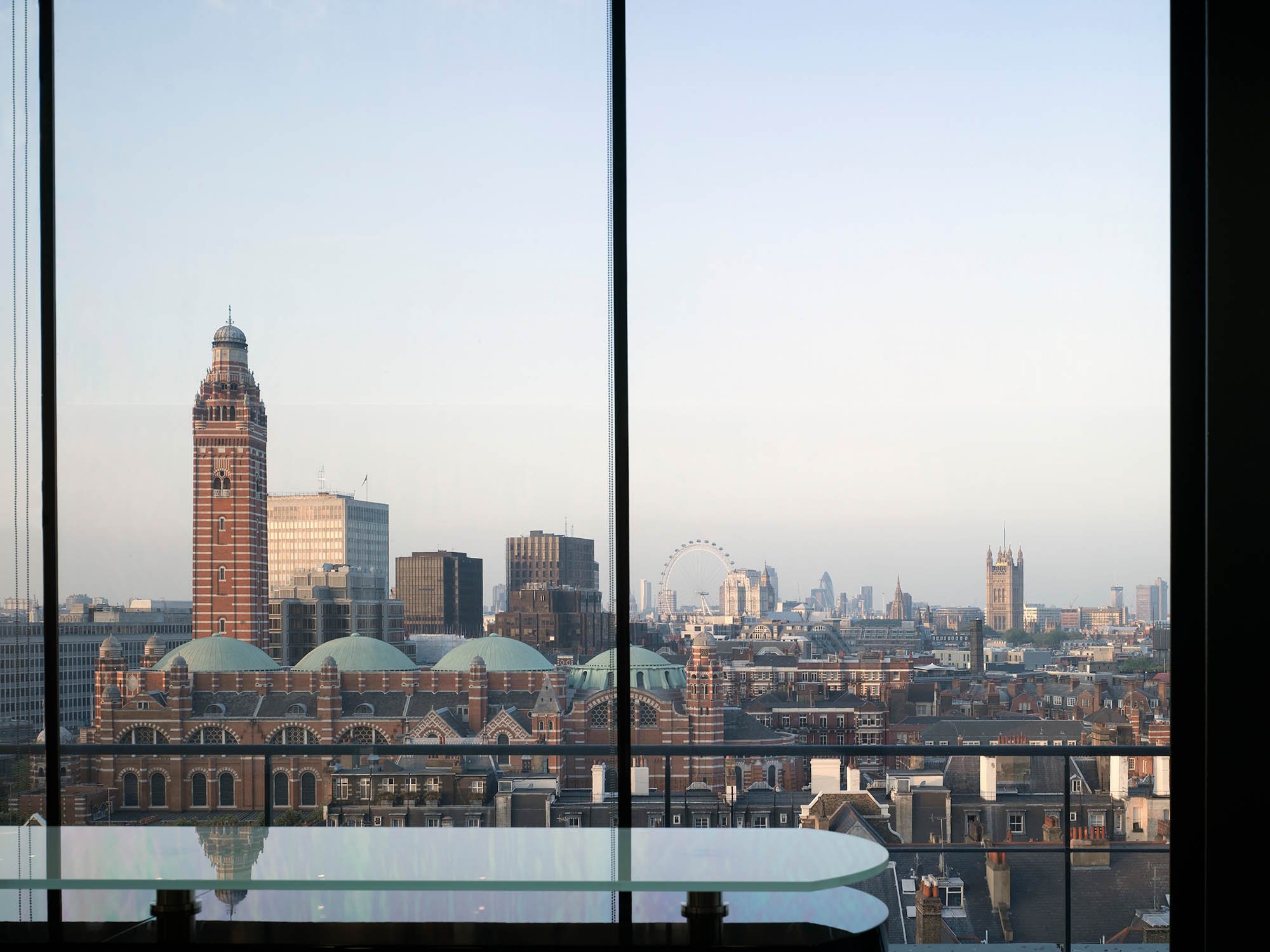
View of Westminster / Personal
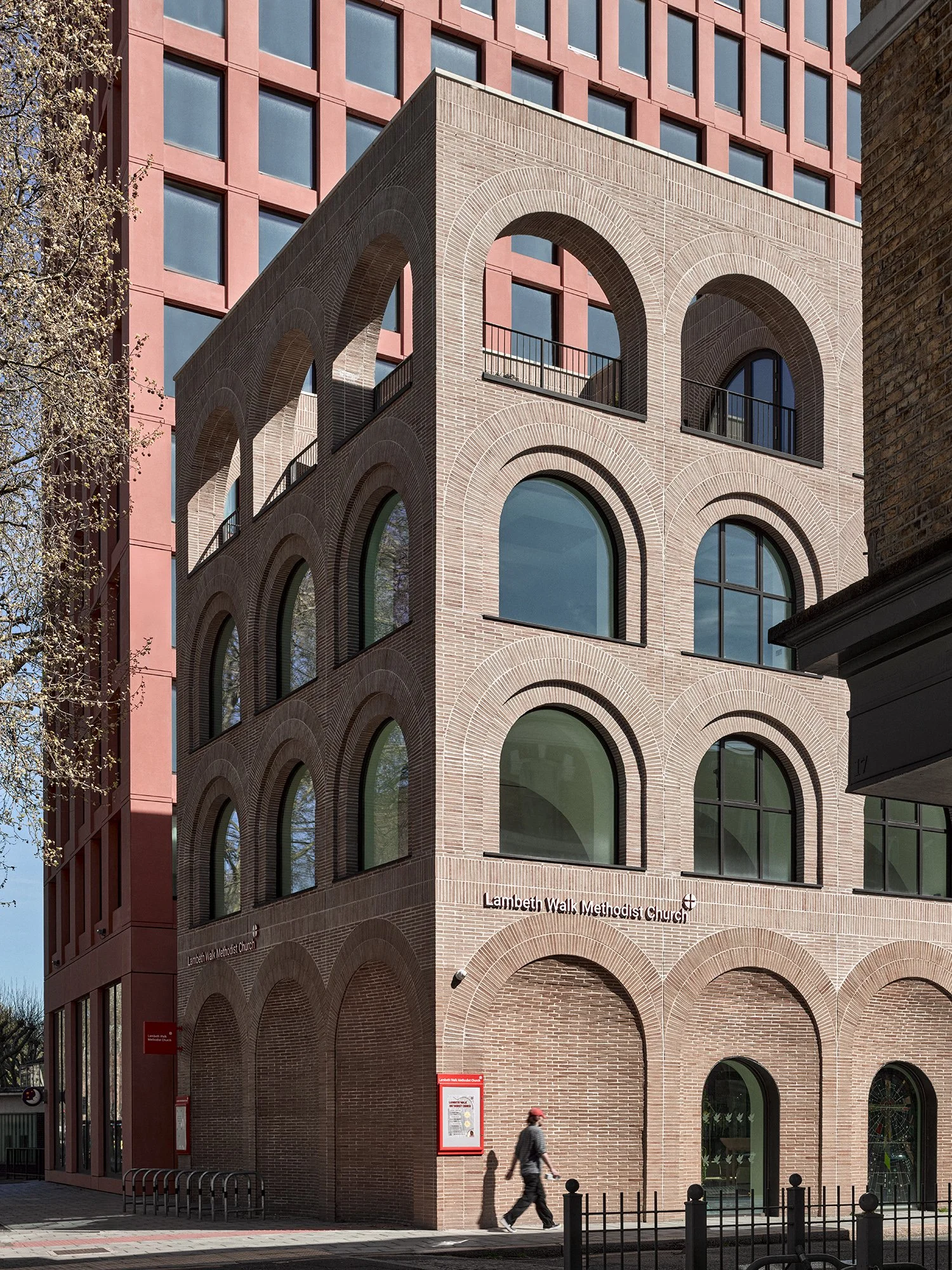
Lambeth Methodist Church / Kyson
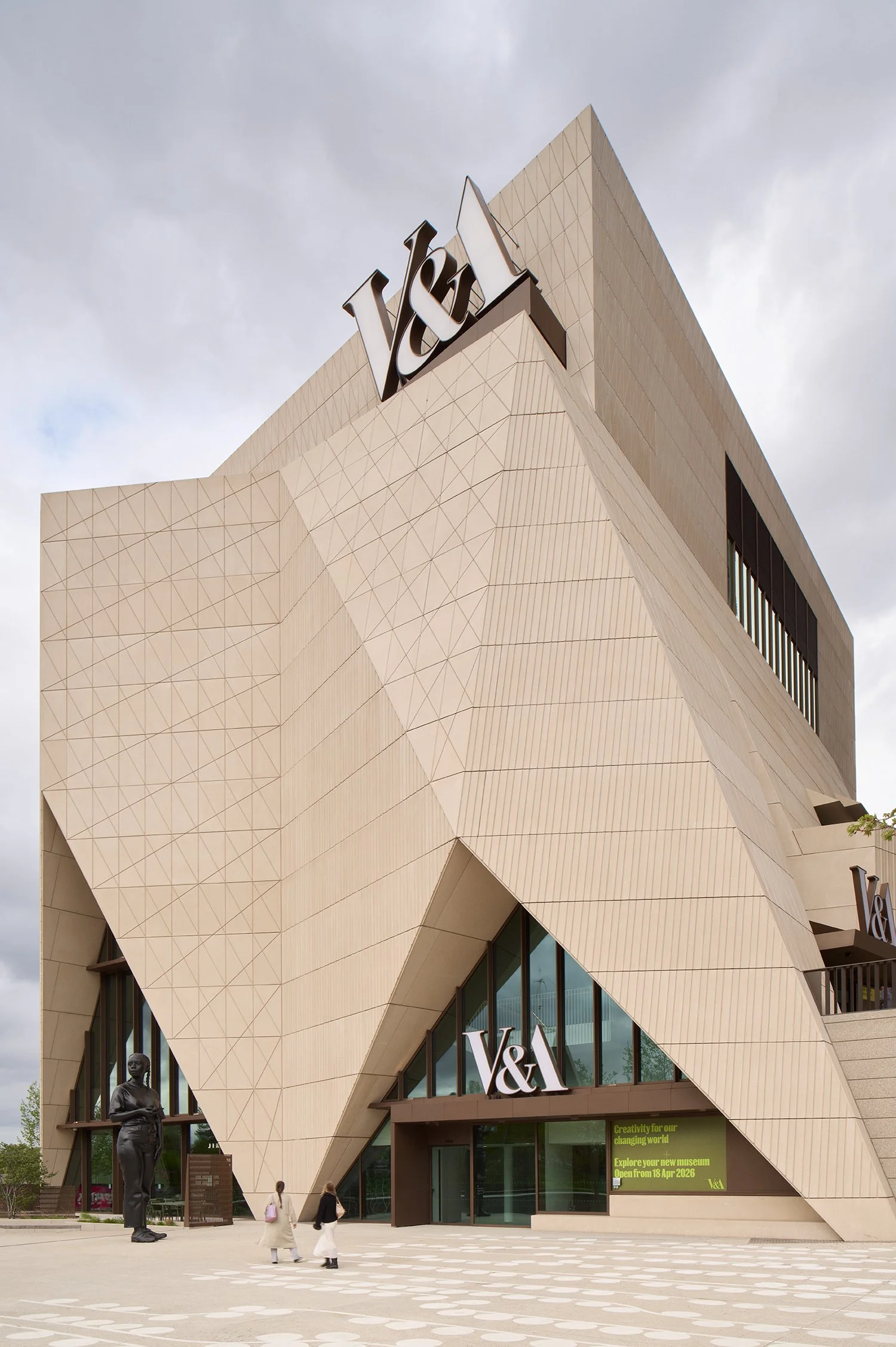
V&A East, Stratford / O'Donnell & Tuomey

East Bank Stratford
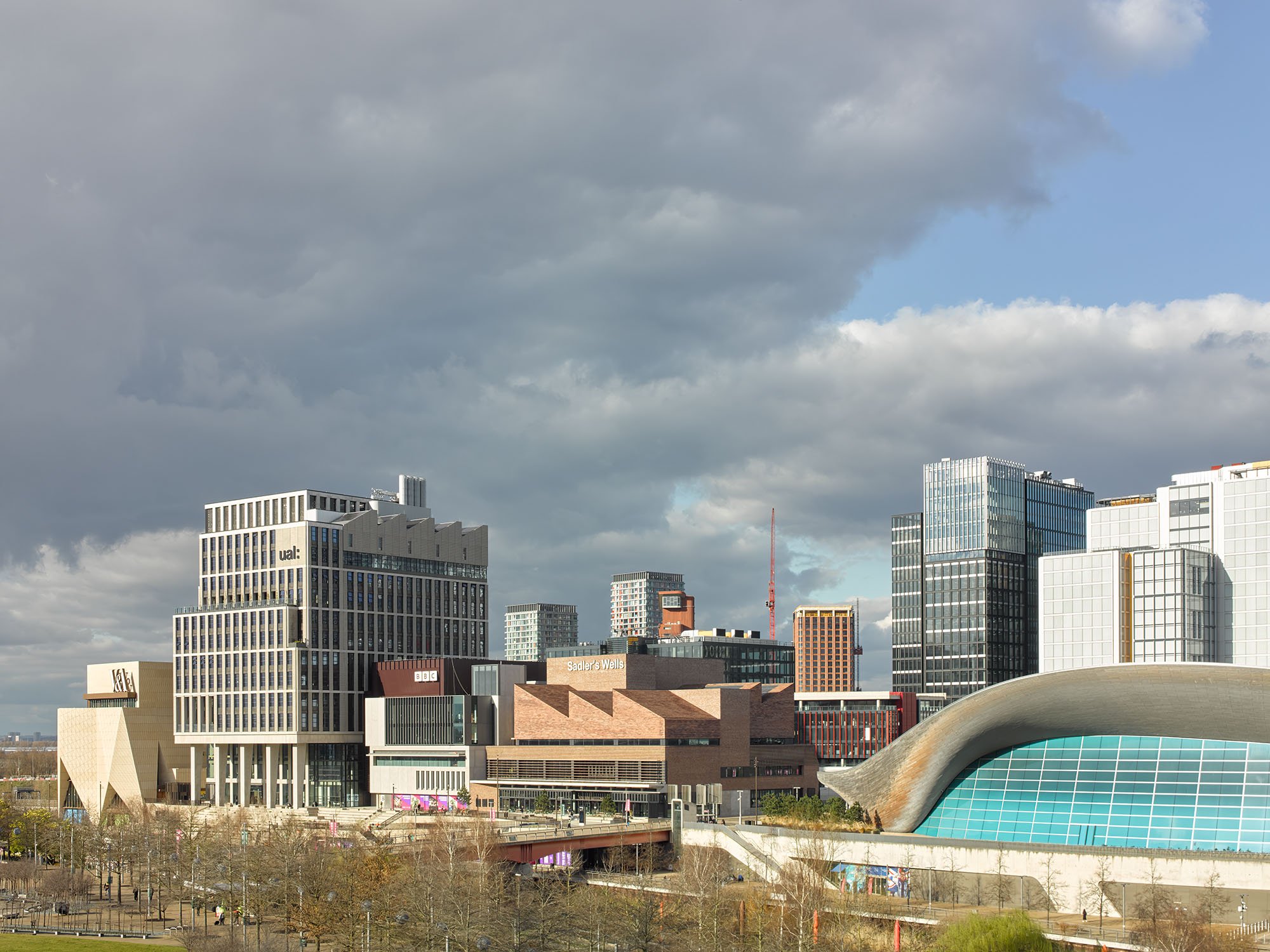
East Bank Stratford

Westbourne Park Baptist Church / Allies & Morrison
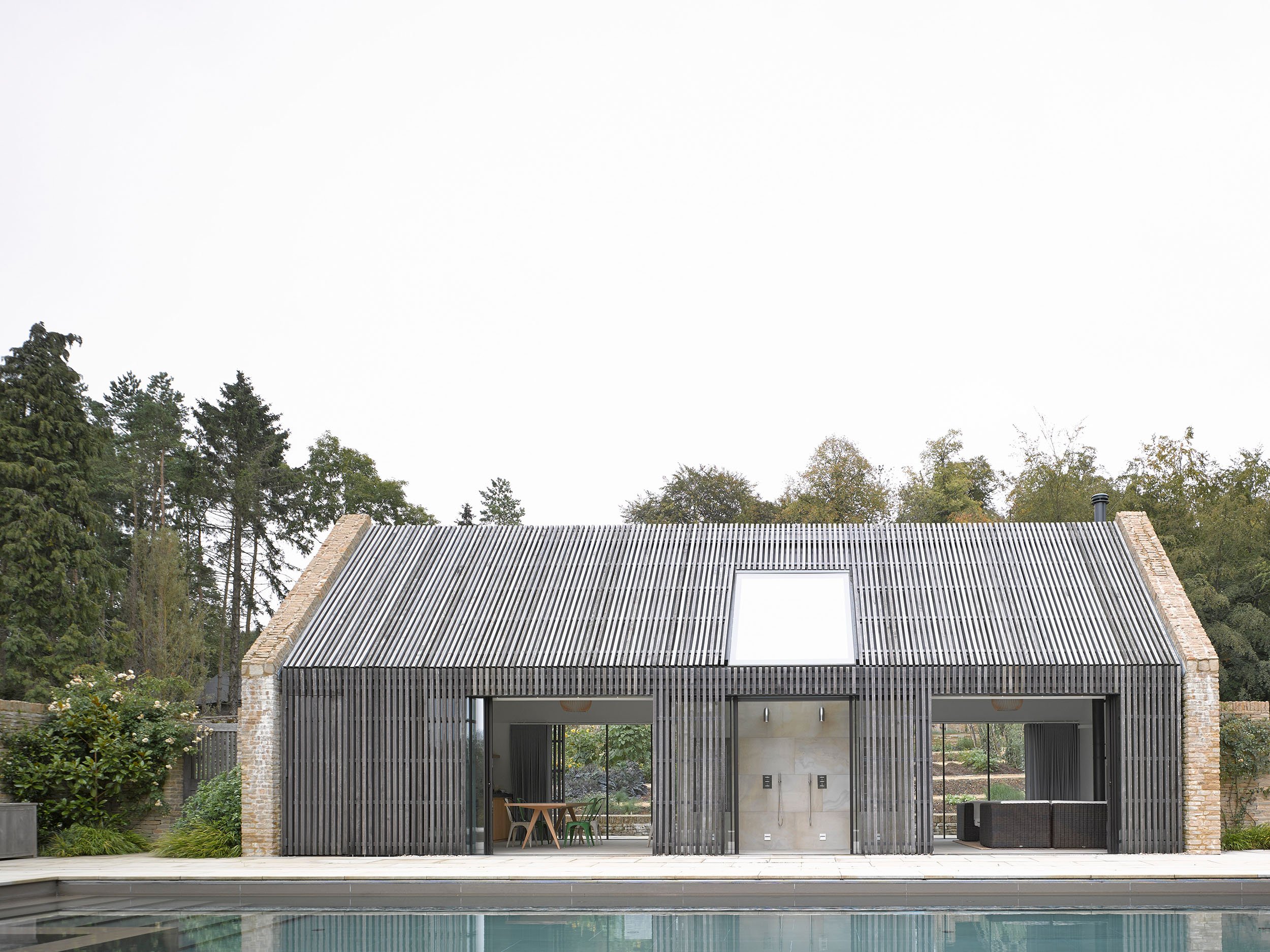
House in Oxfordshire / Michaelis Boyd

Tring School / Burrell Foley Fischer
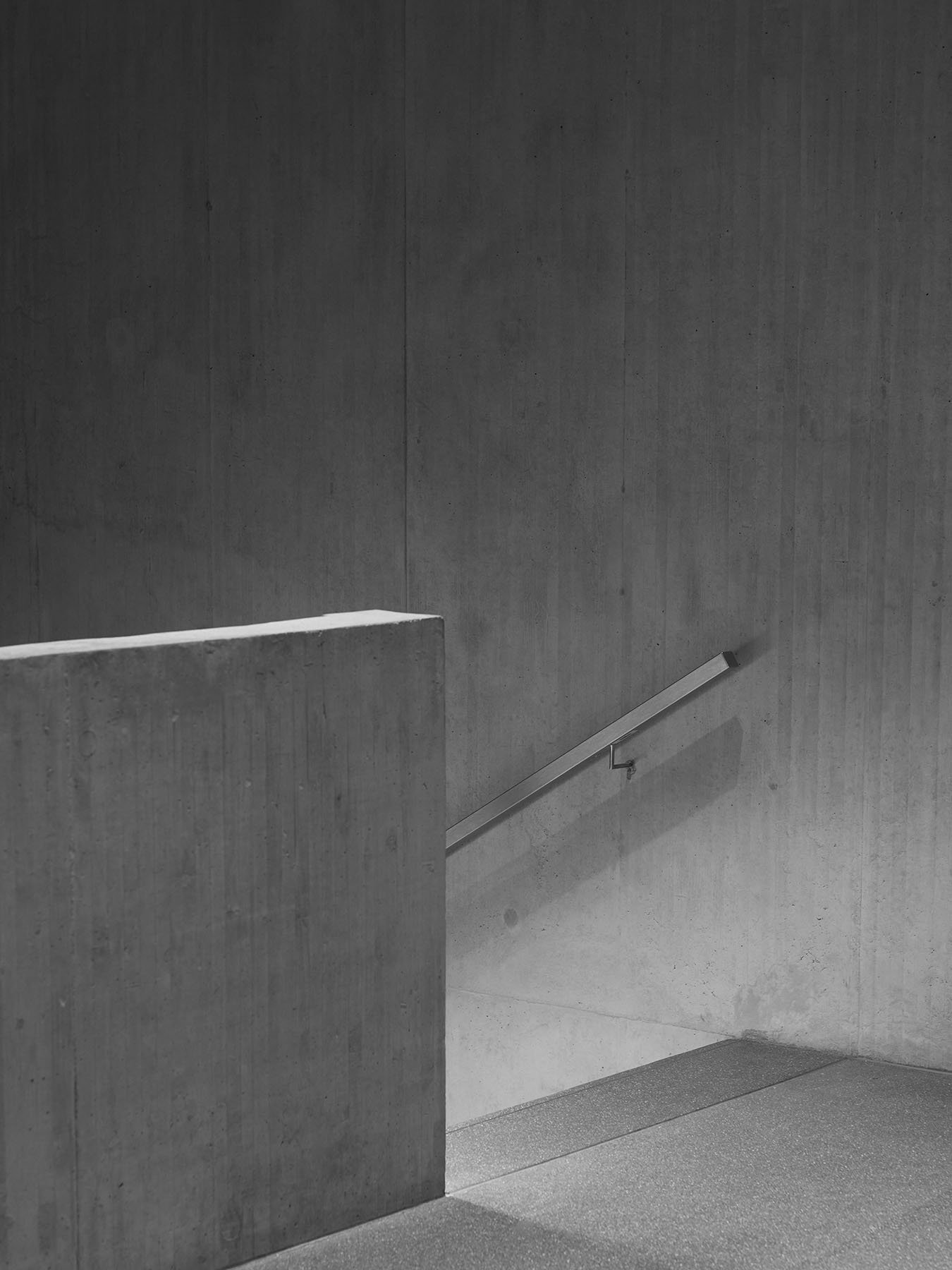
Chur Fine Arts Museum / Estudio Barozzi Veiga
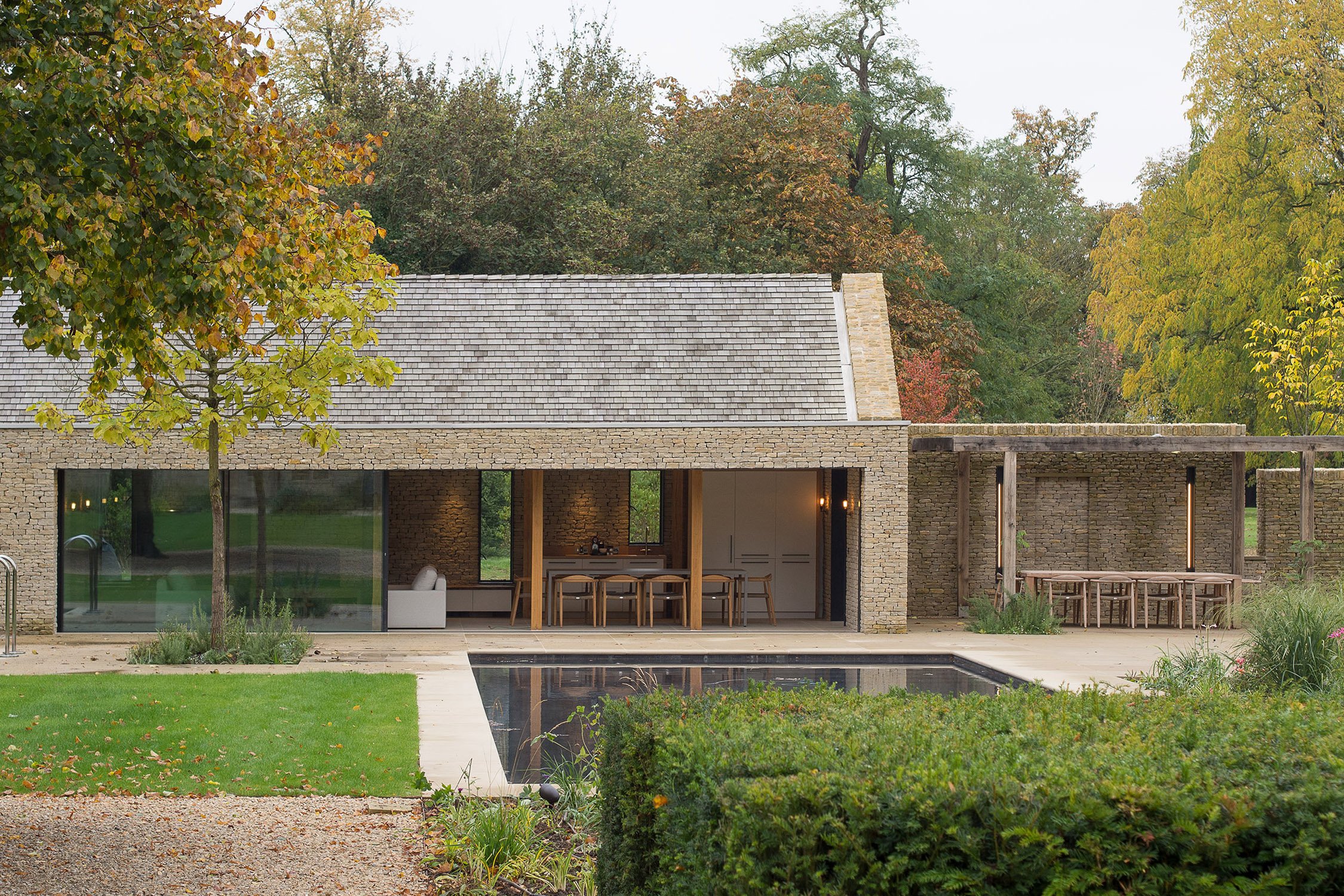
House in Oxfordshire / Michaelis Boyd

Northwestern University in Qatar / Antonie Predock

Mill Hide / Tim Poulson

Cranleigh School / Allies & Morrison

Cranleigh School / Allies & Morrison
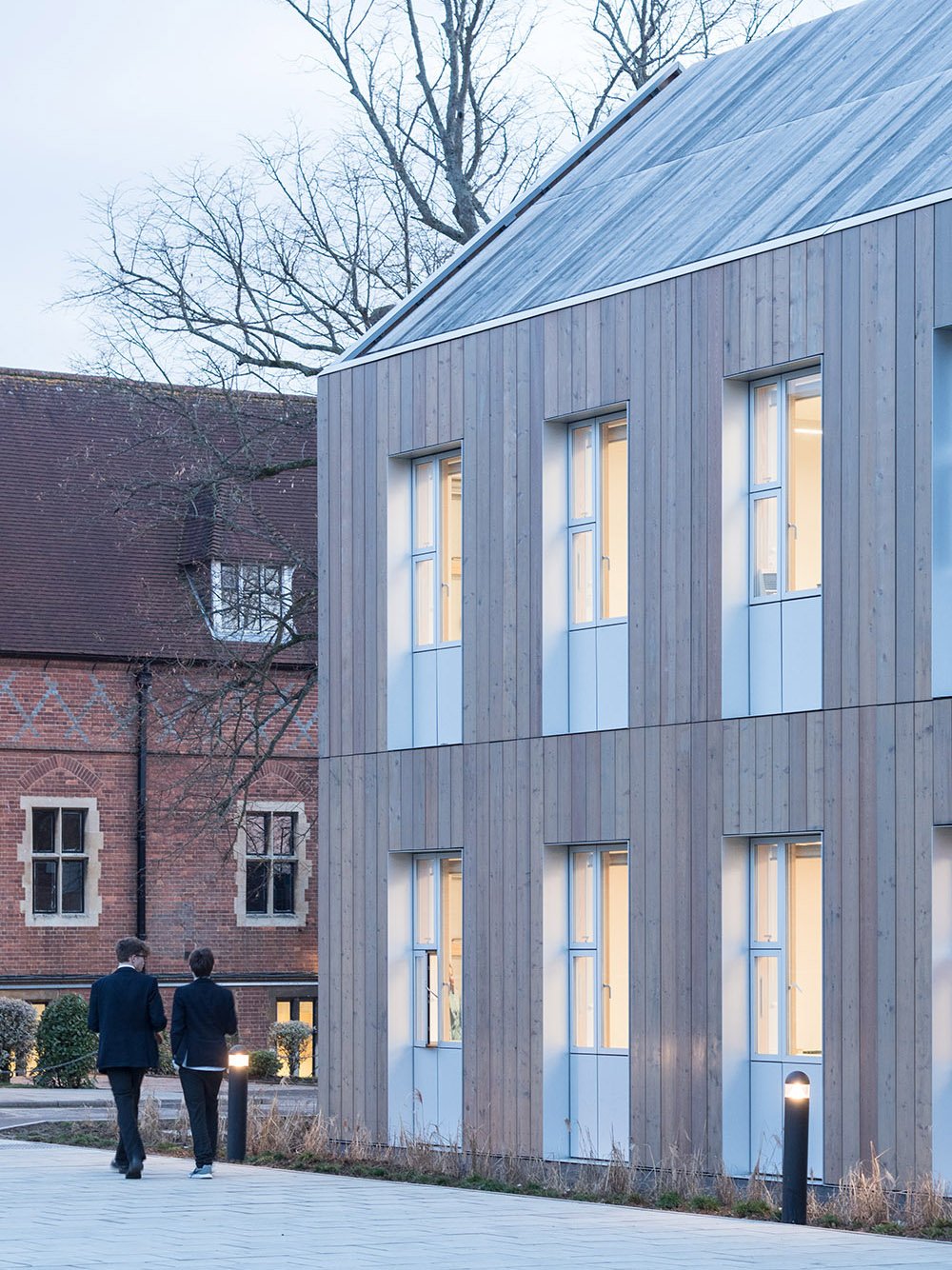
Cranleigh School / Allies & Morrison
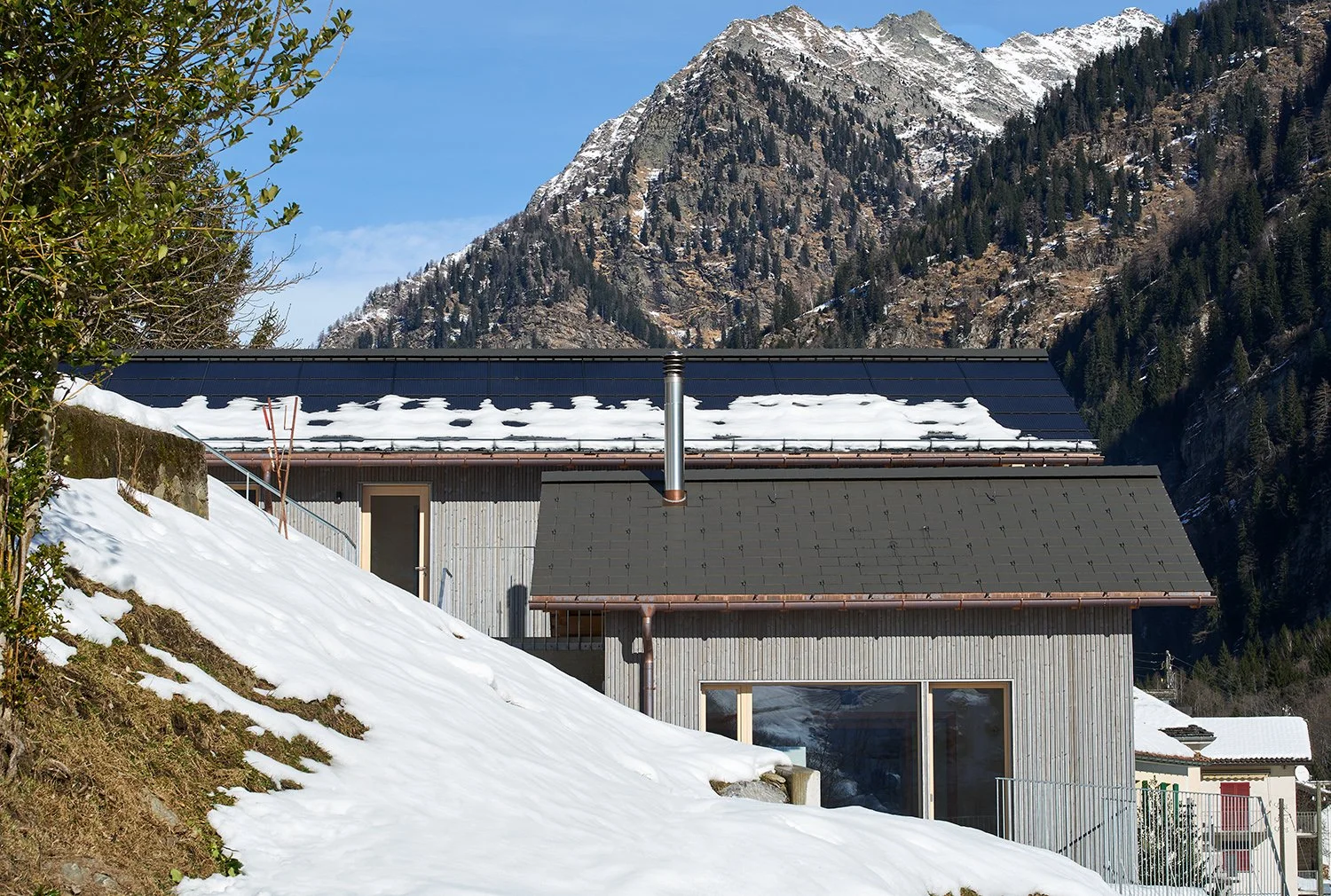
Santa Domenica - Switzerland / MS-DA
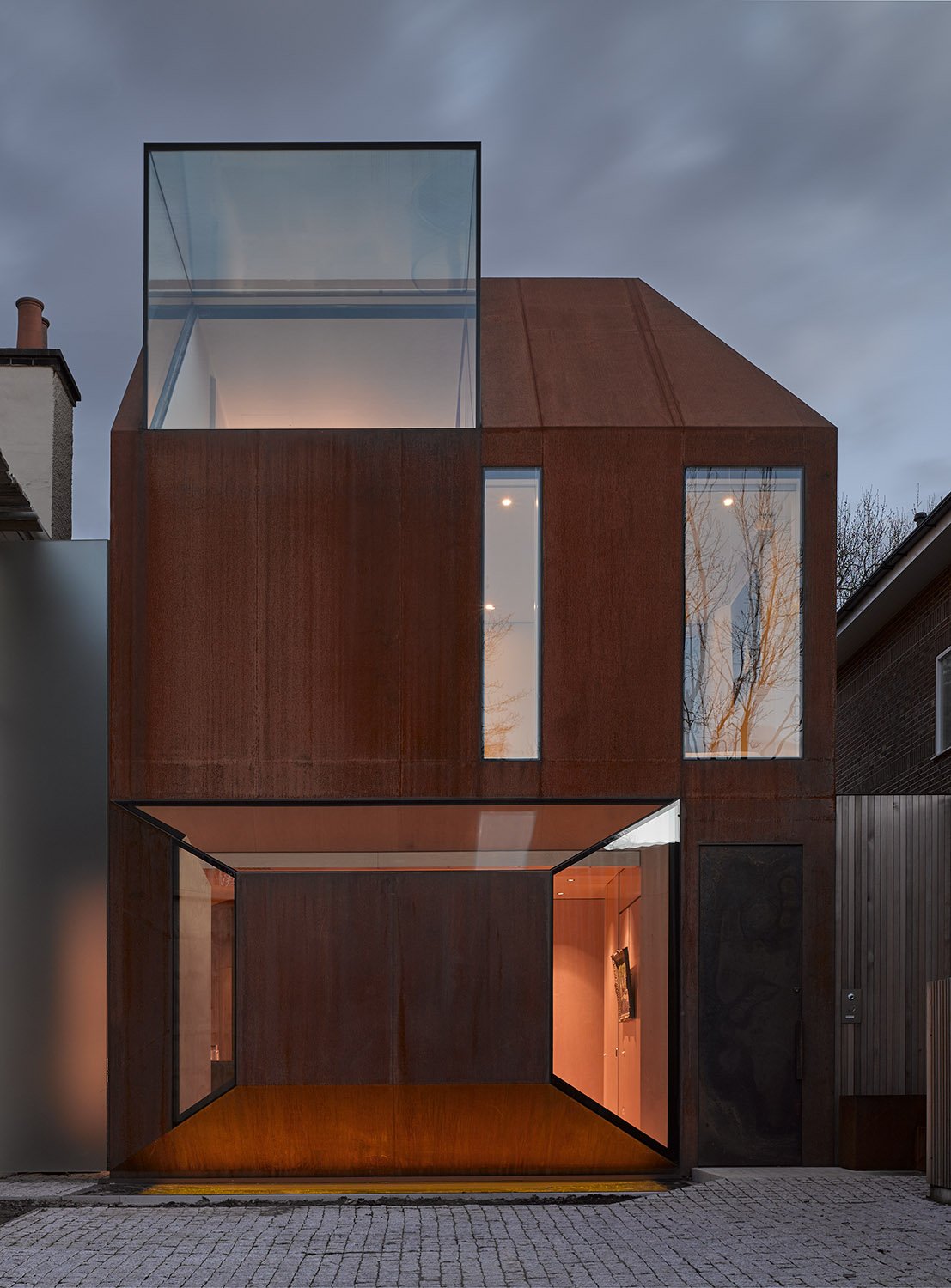
House in Putney / Eldridge London

Muswell Hill / Lawson Ward

Serpentine Pavilion 2024 / Minsuk Cho

Sainsbury Centre / Foster & Partners

Rubicon / Alison Brooks Architects

Garsington Opera Pavilion / Robin Snell
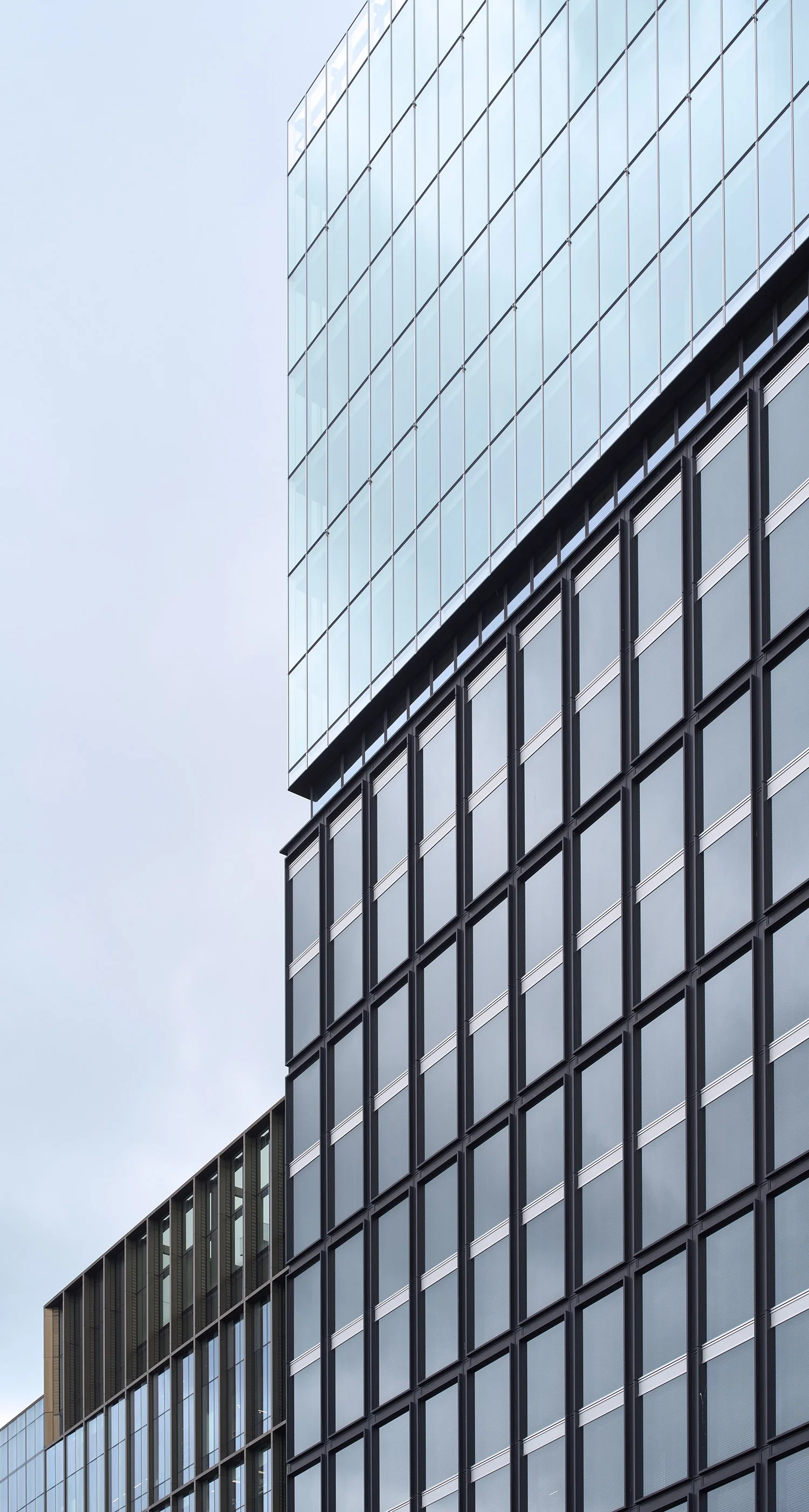
The Turing Building / AFK Studios
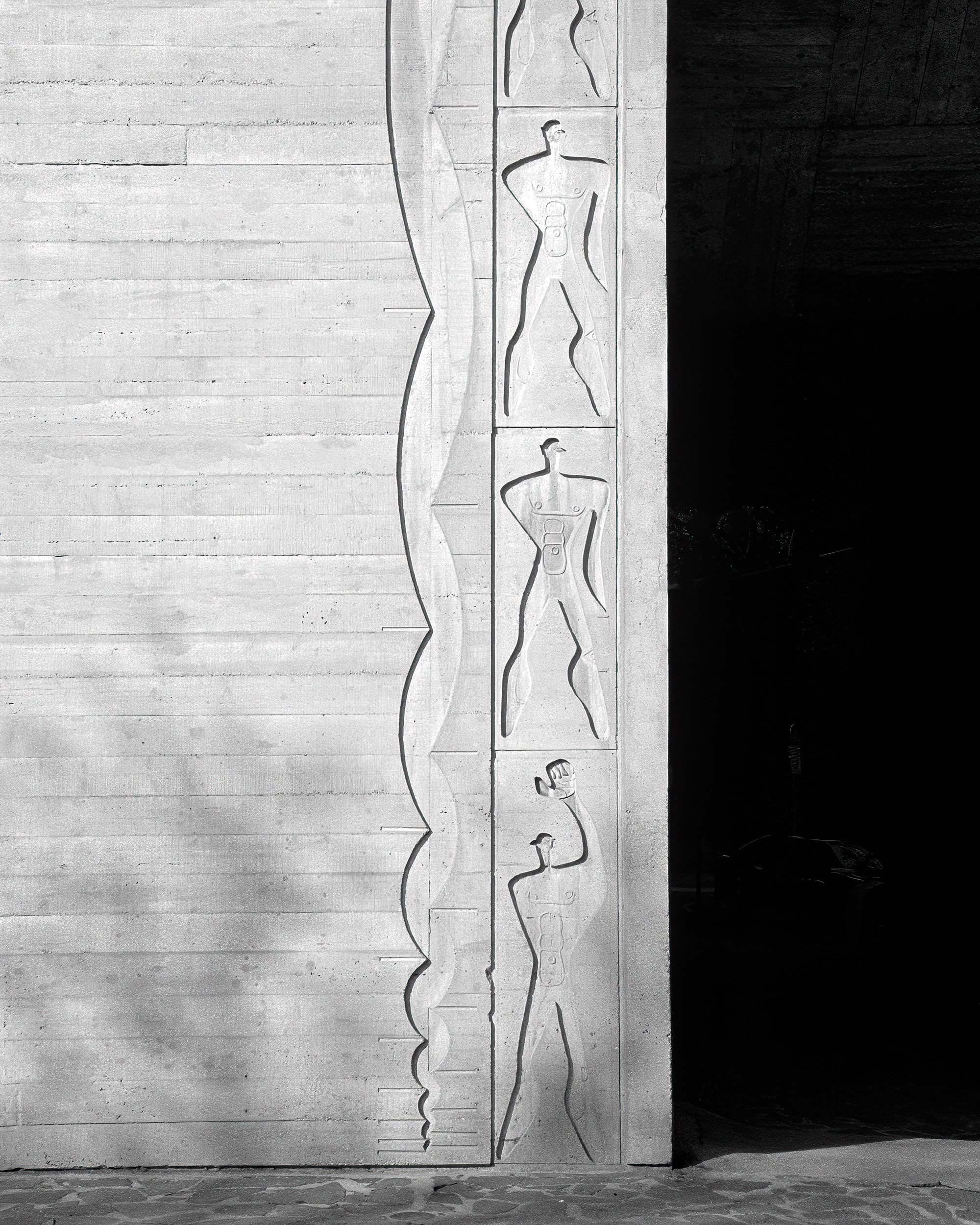
Unité d'habitation / Le Corbusier
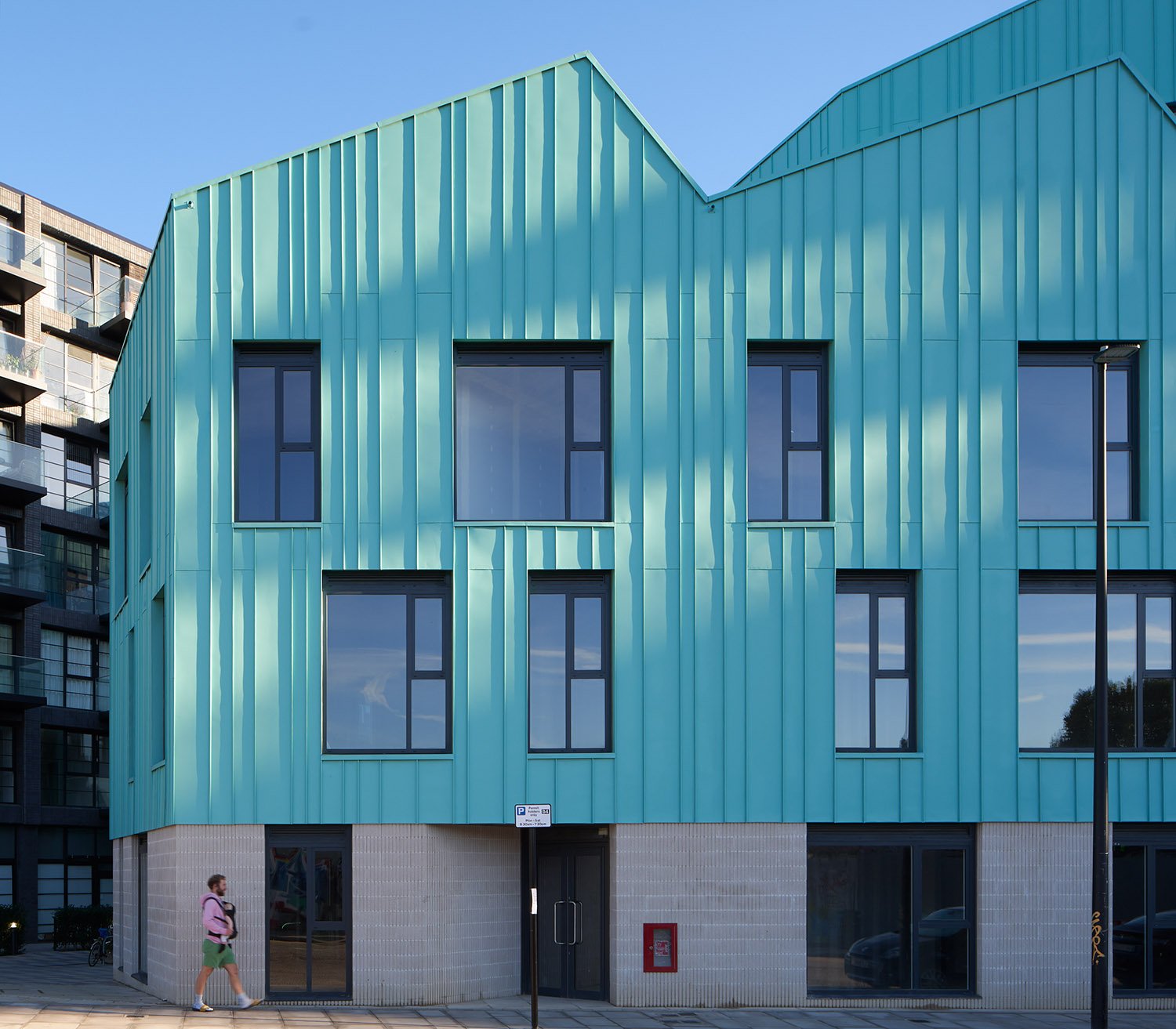
Housing in Hackney / dRMM
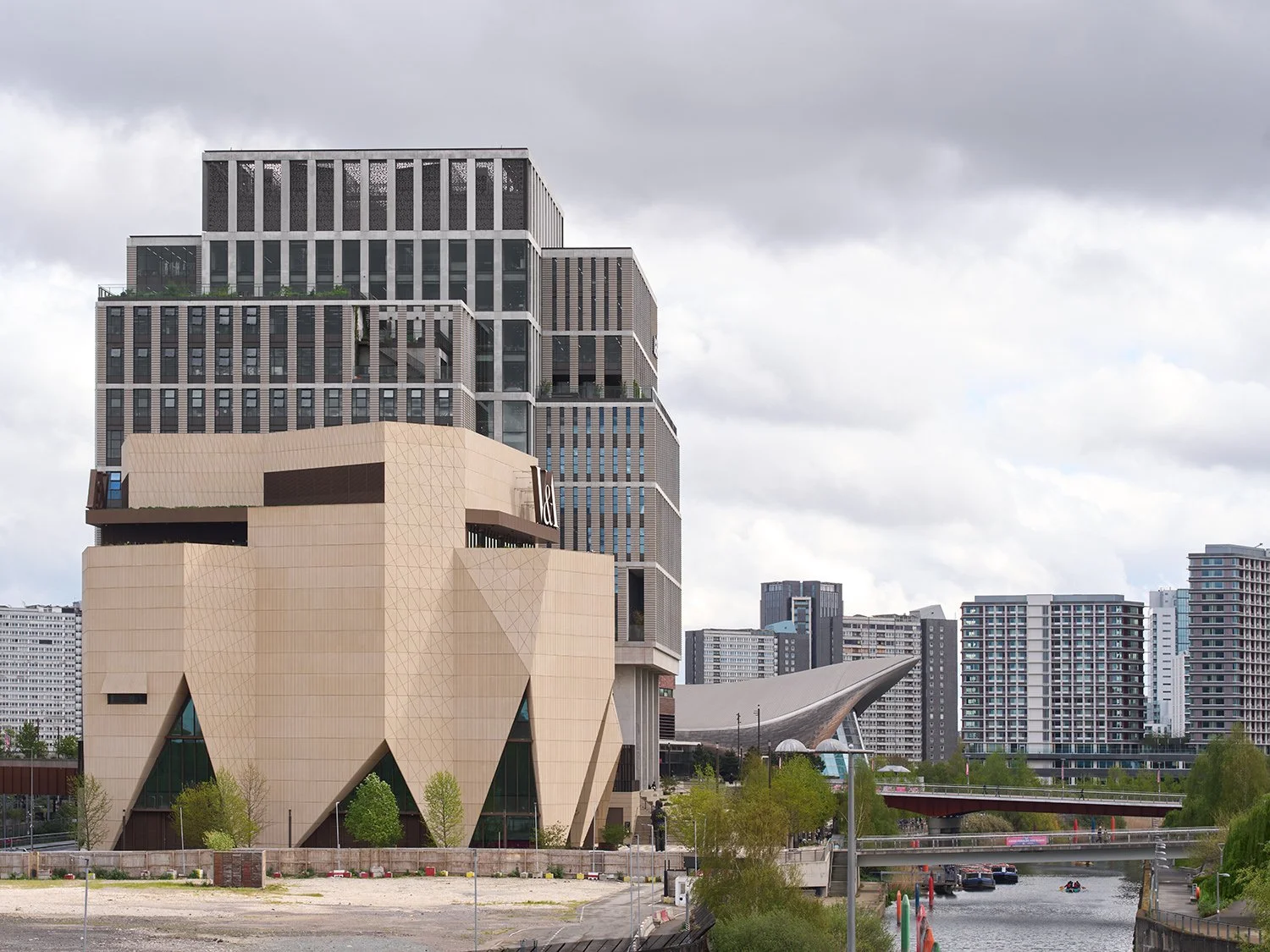
V&A East, Stratford / O'Donnell & Tuomey

The Lourve Abu Dhabi / Jean Nouvel
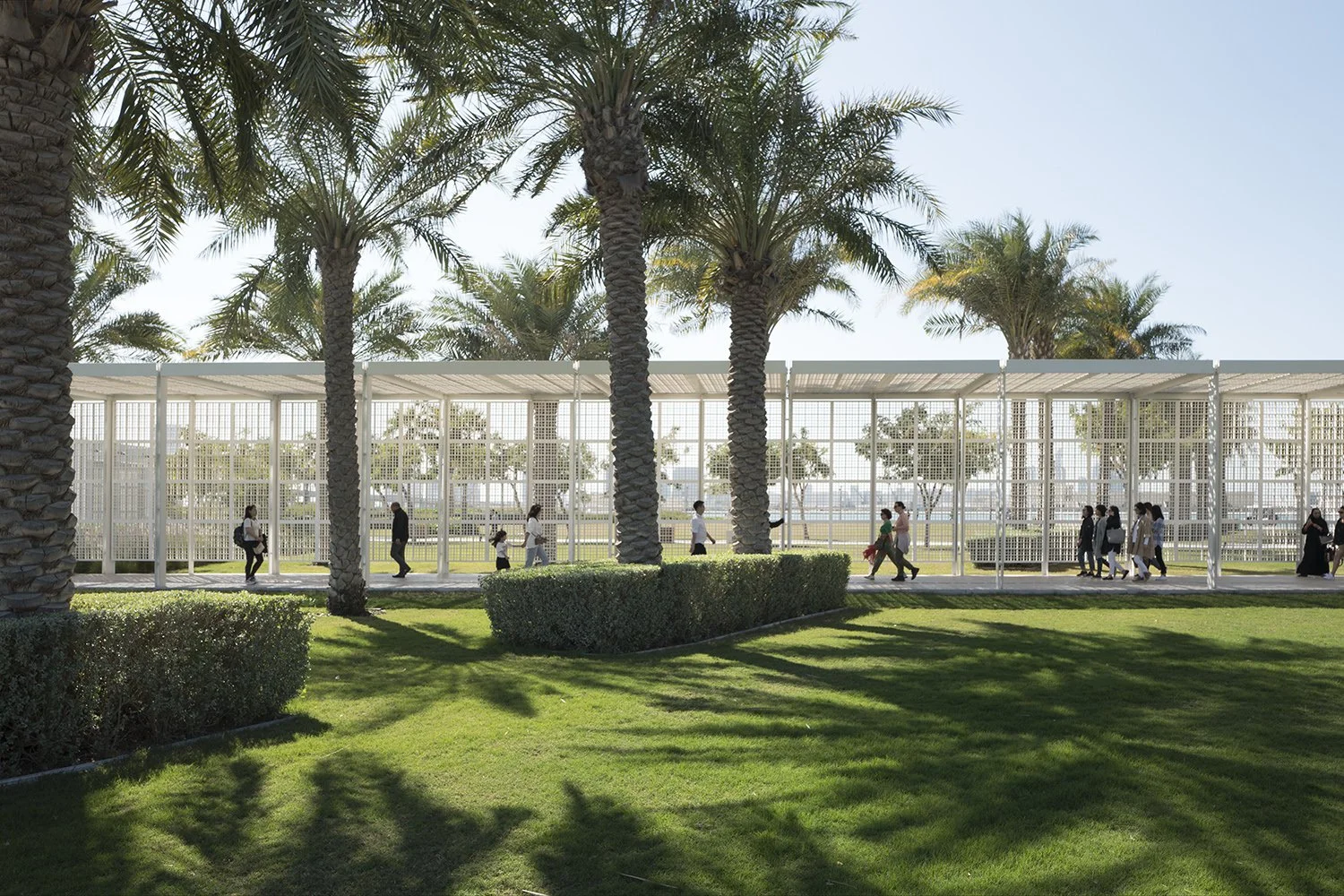
The Lourve Abu Dhabi / Jean Nouvel
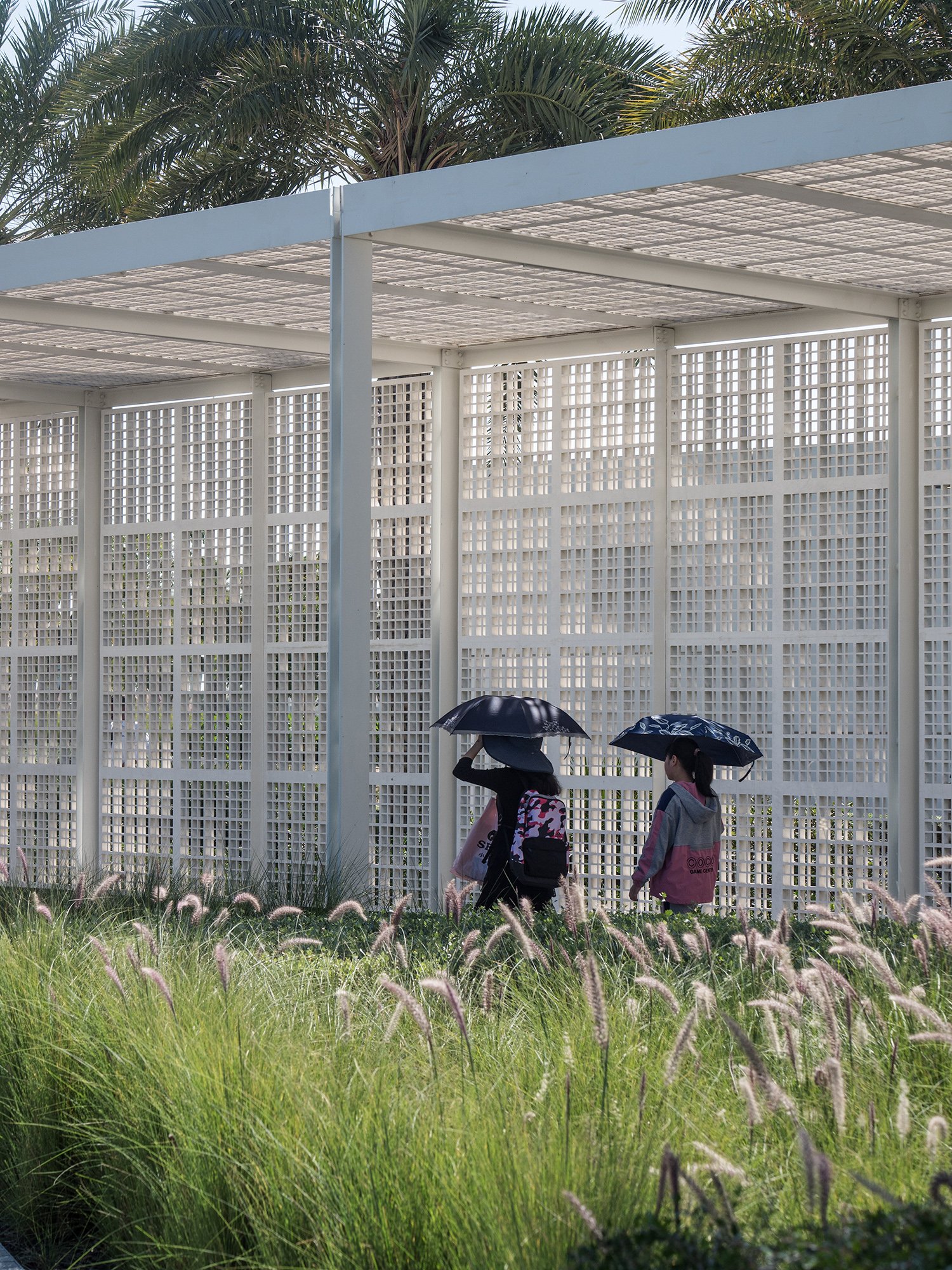
The Louvre Abu Dhabi / Jean Nouvel

Rambert / Allies & Morrison

Mill Hide / Tim Poulson

Balliol College / Niall McLaughlin

Rambert / Allies & Morrison

St Mary's School Stem Lab / Neubau
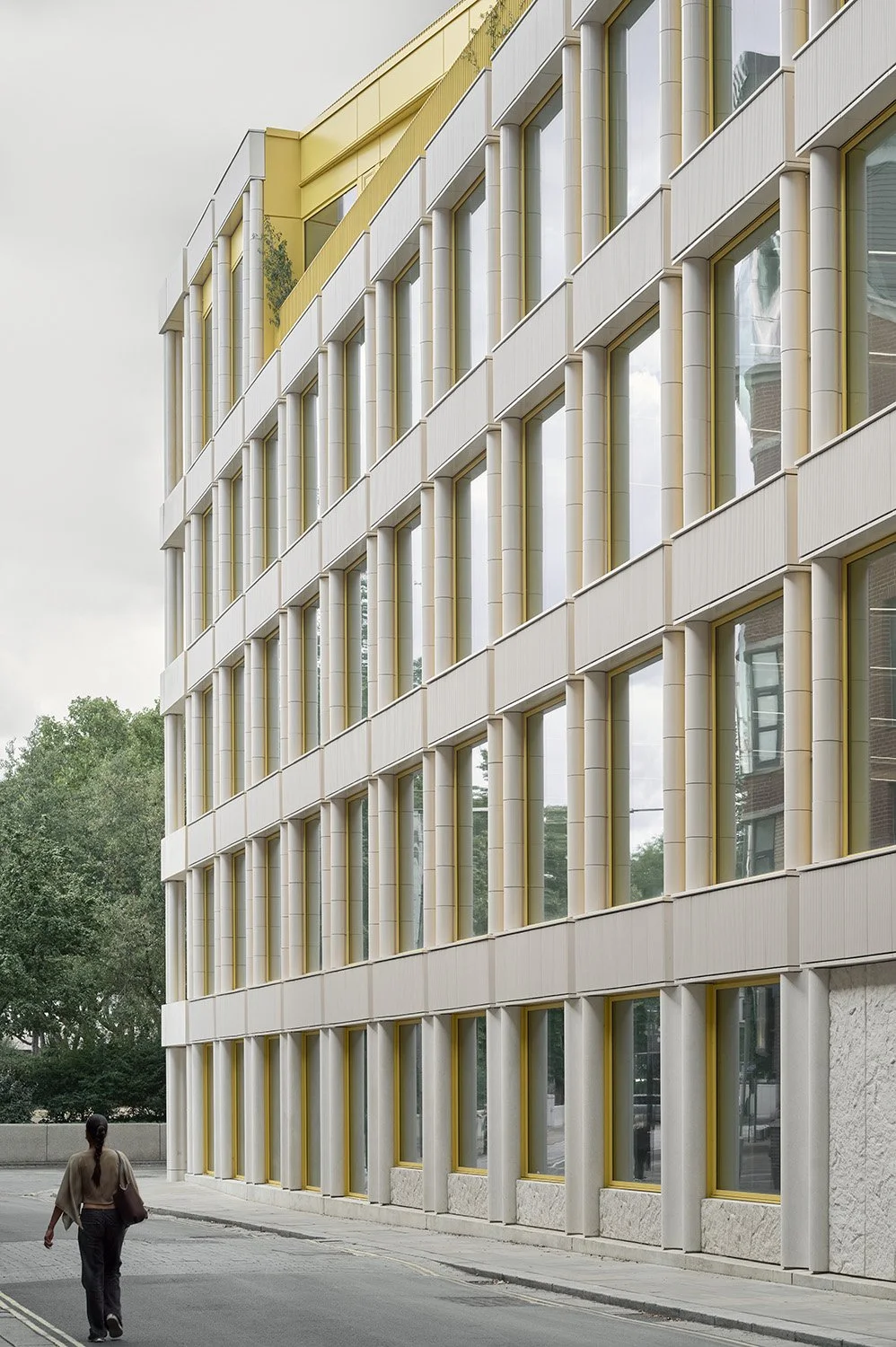
Barge Cresent / Henley Halebrown

House in Surrey / Johnson Naylor
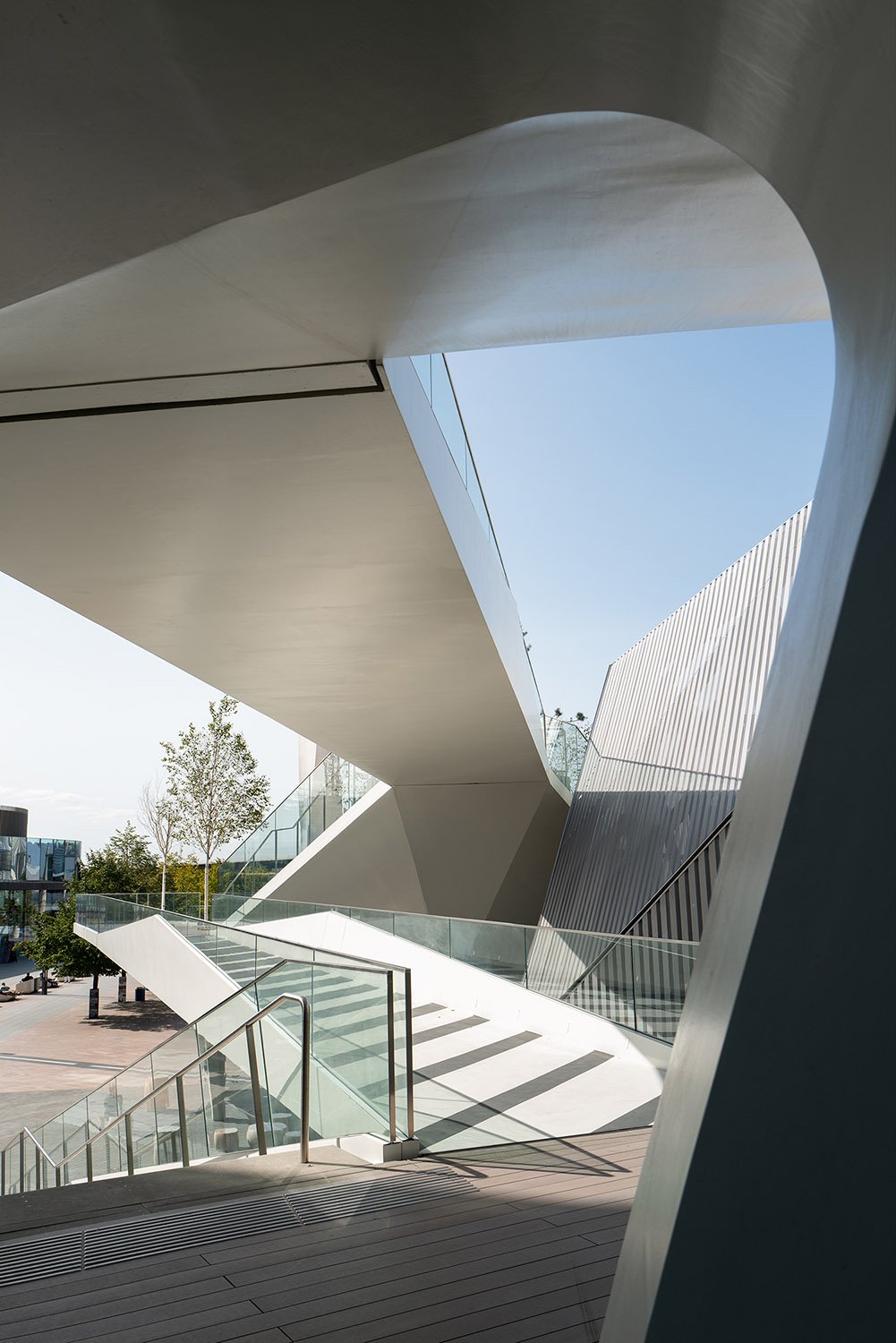
The Tide, Greenwich / Diller Scofidio + Renfro

Garsington Opera Pavilion / Robin Snell Associates

Lisson Gallery / Tony Fretton

Garsington Opera Pavilion / Robin Snell

Unité d'habitation / Le Corbusier
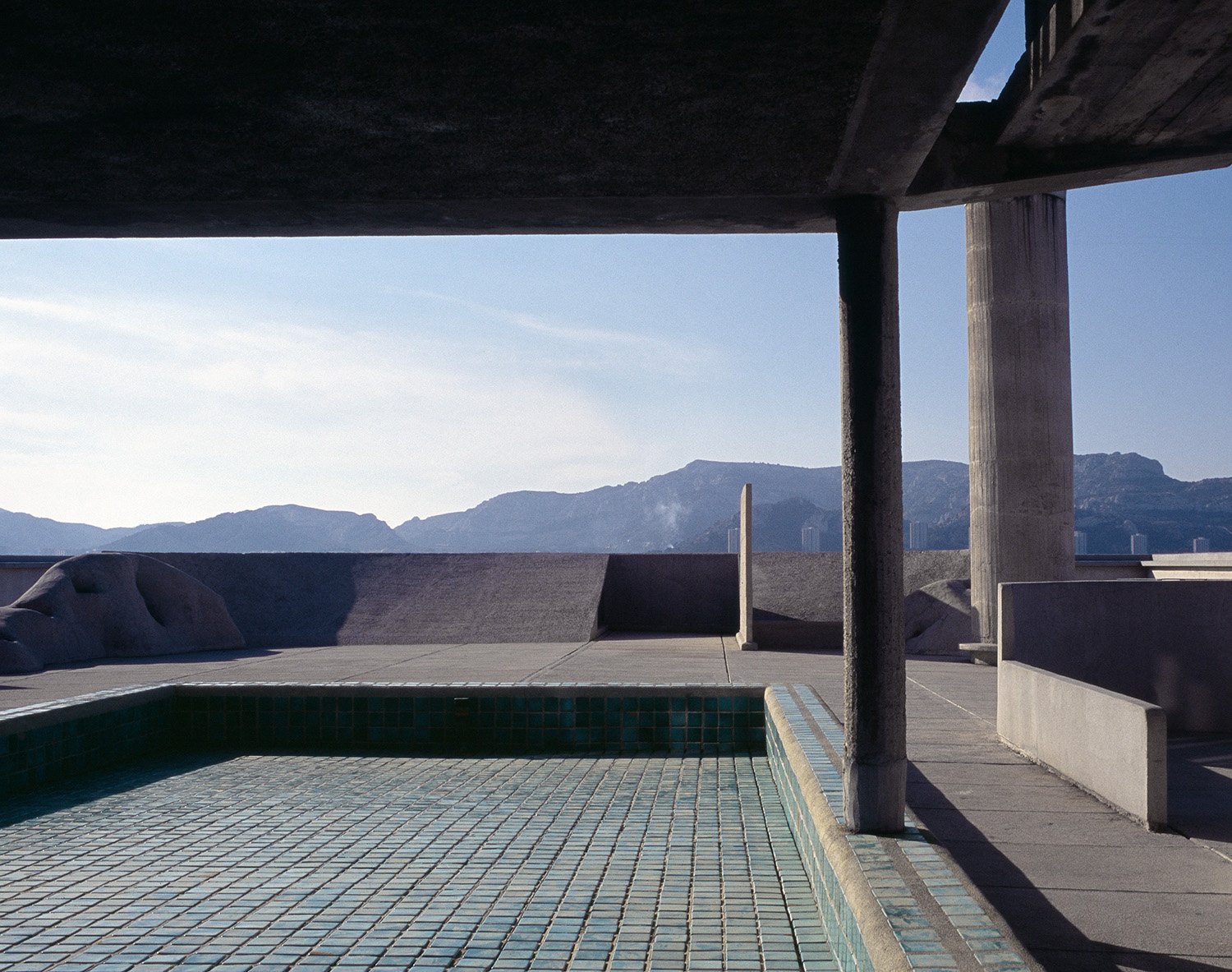
Unité d'habitation / Le Corbusier
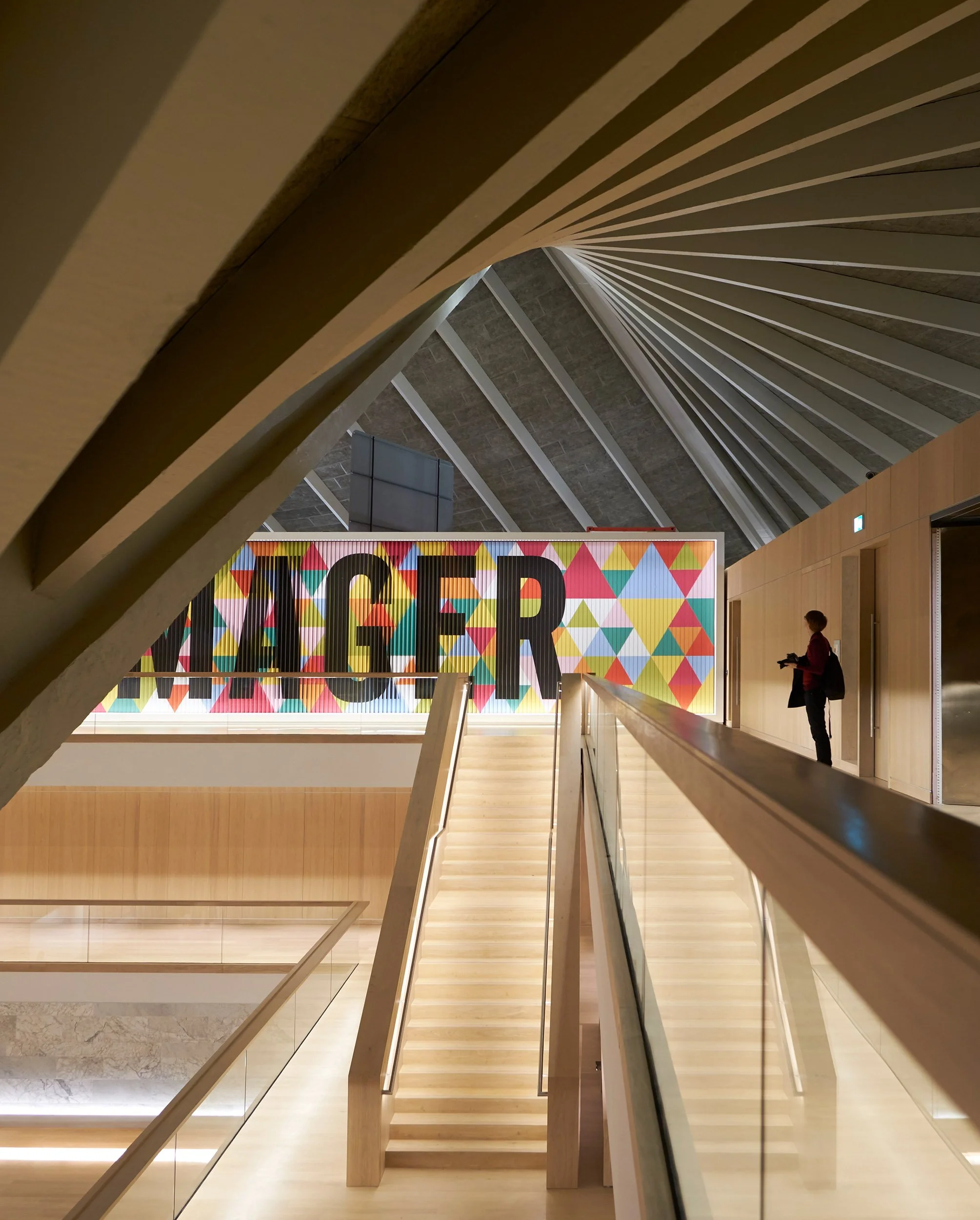
Design Museum / Allies & Morrison
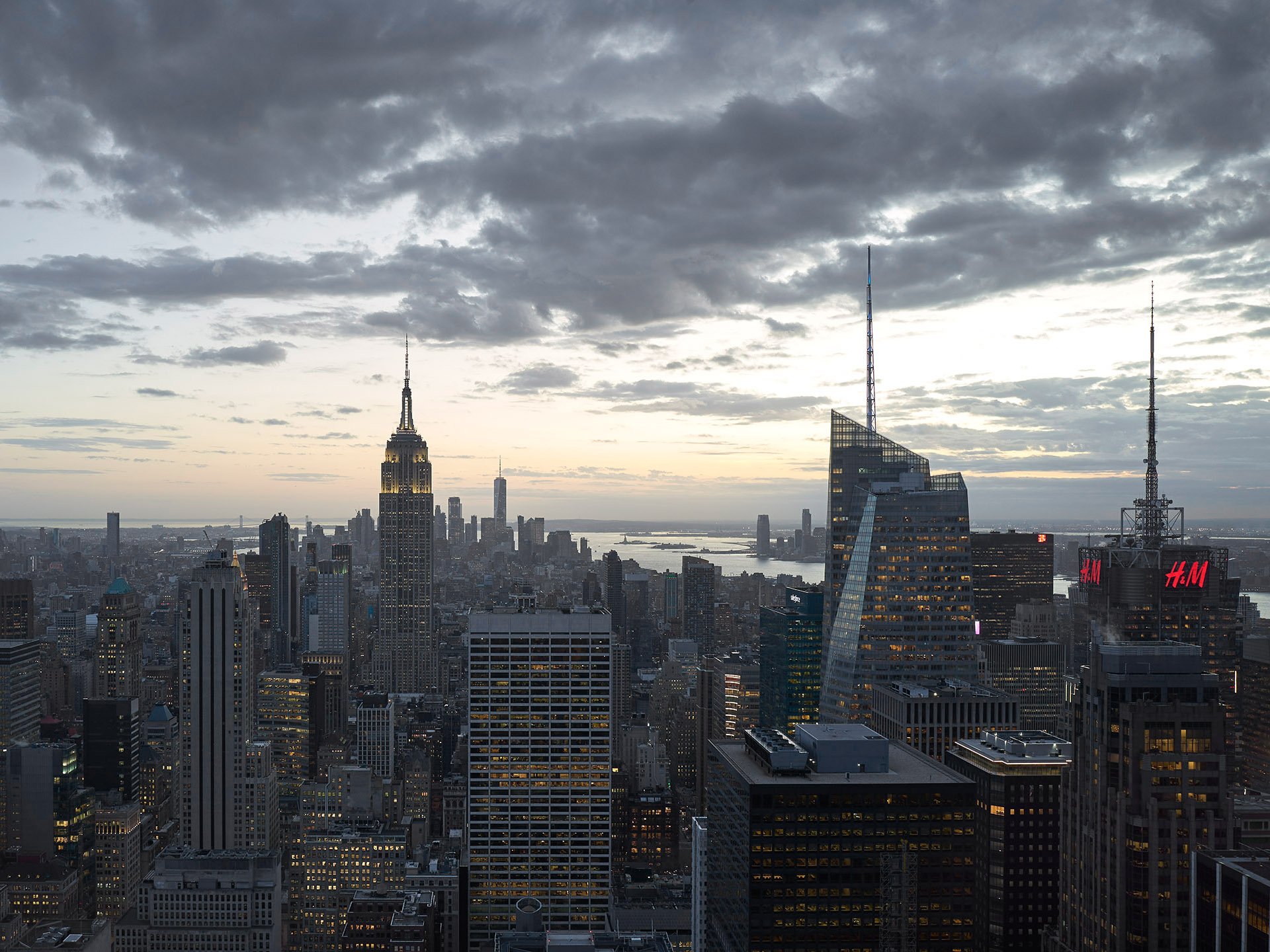
NYC / Personal
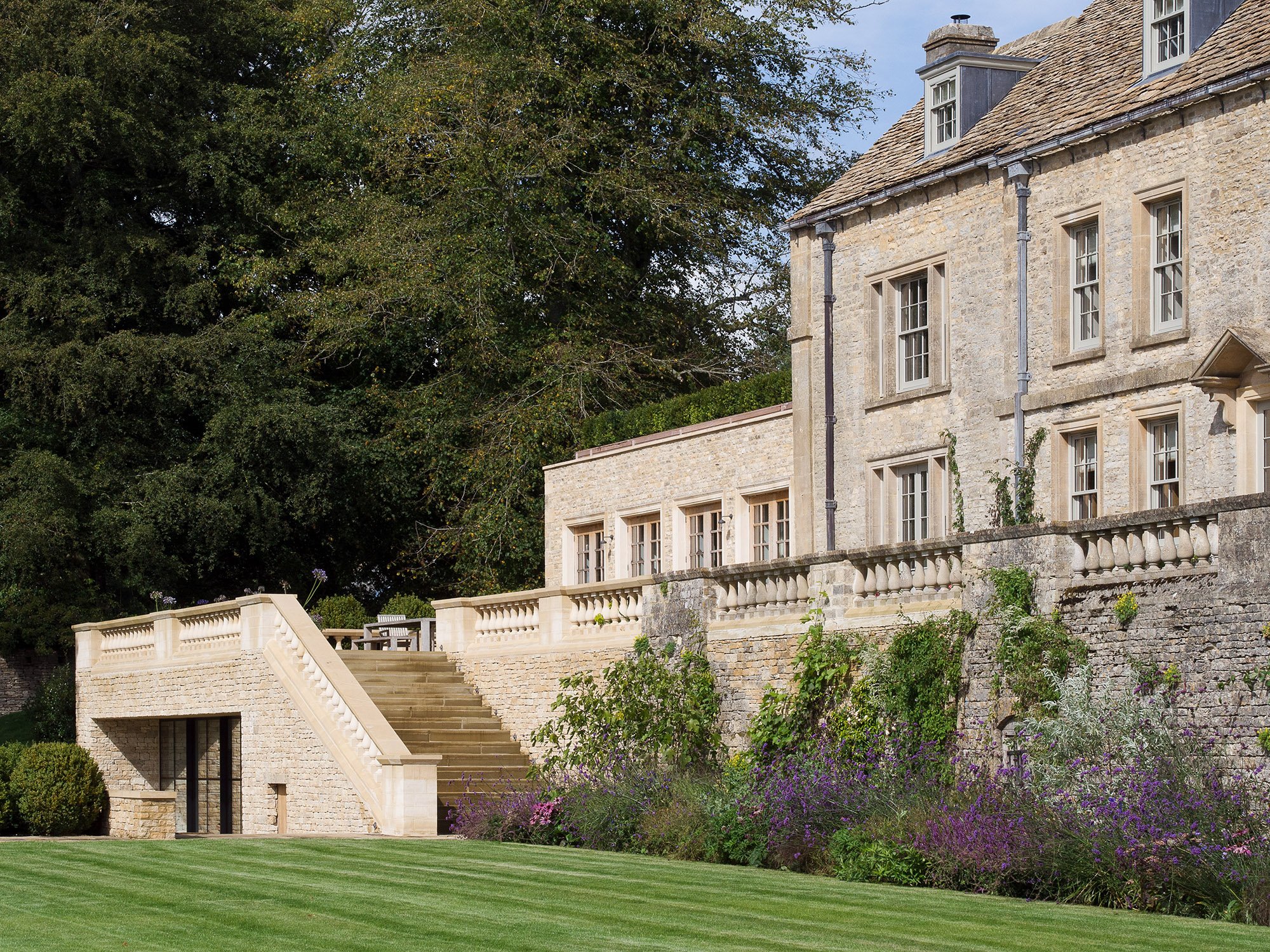
House in Oxfordshire / Michaelis Boyd

4 Kingdom Street / Allies & Morrison

Lloyds of London / Rogers Strik Harbour
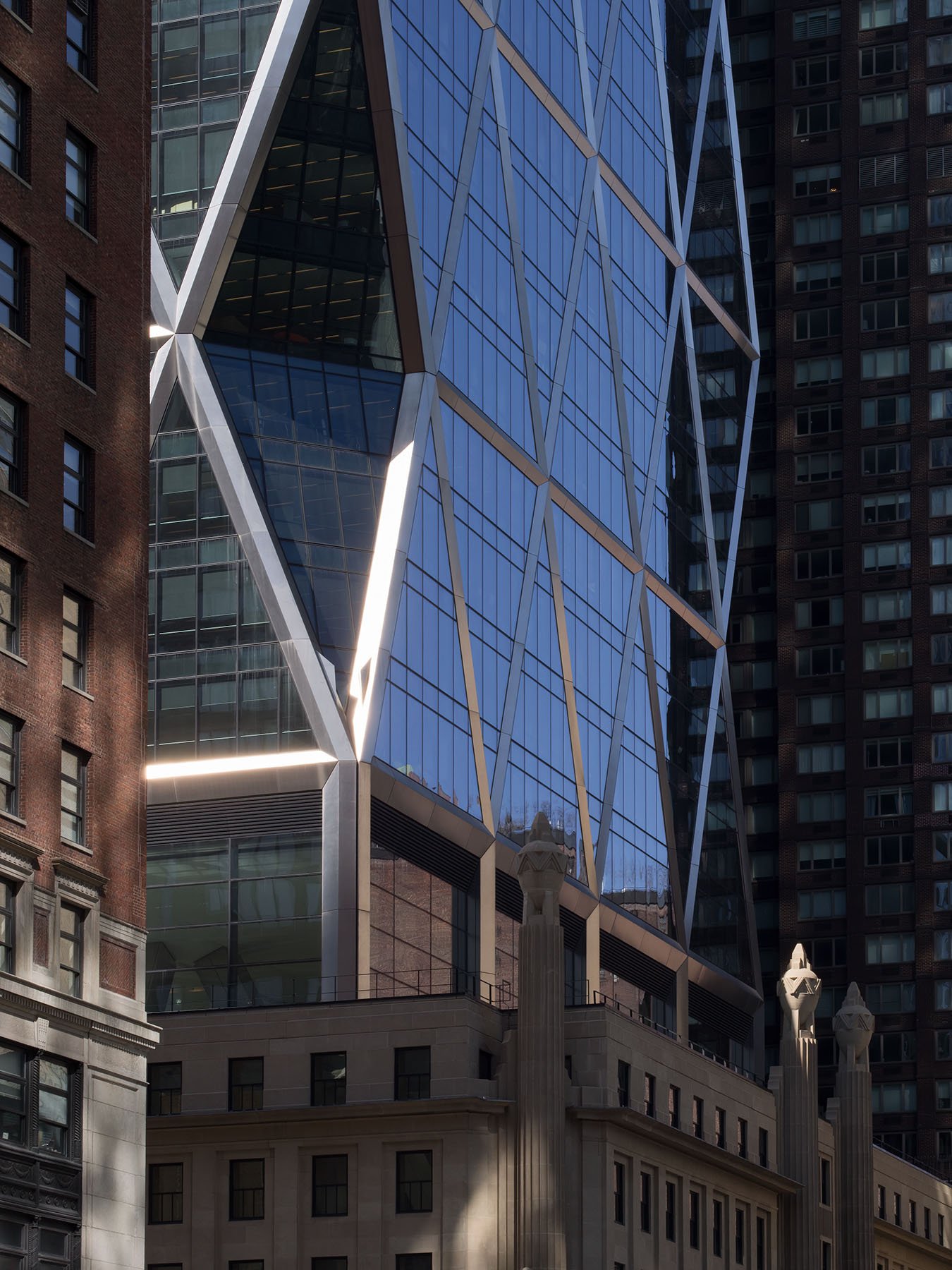
Hearst Headquarters, NYC / Foster & Partners

Serpentine Pavilion / Sou Fujimoto
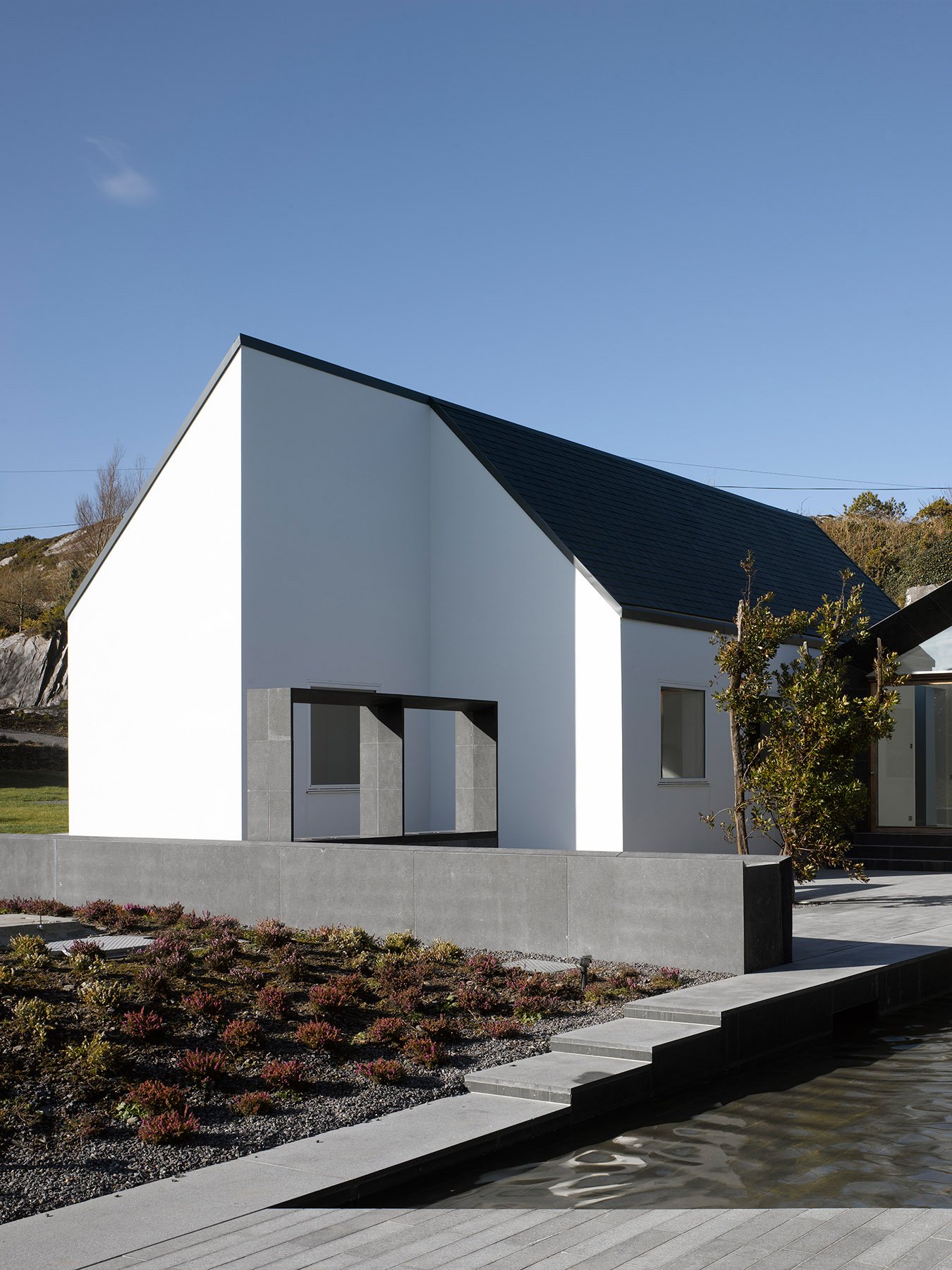
House in Goleen / Niall Mclaughlin

Mill Hide / Tim Poulson

Cincinnati Contemporary Arts Center / Zaha Hadid

Alpine House, Kew / Wilkinson Eyre
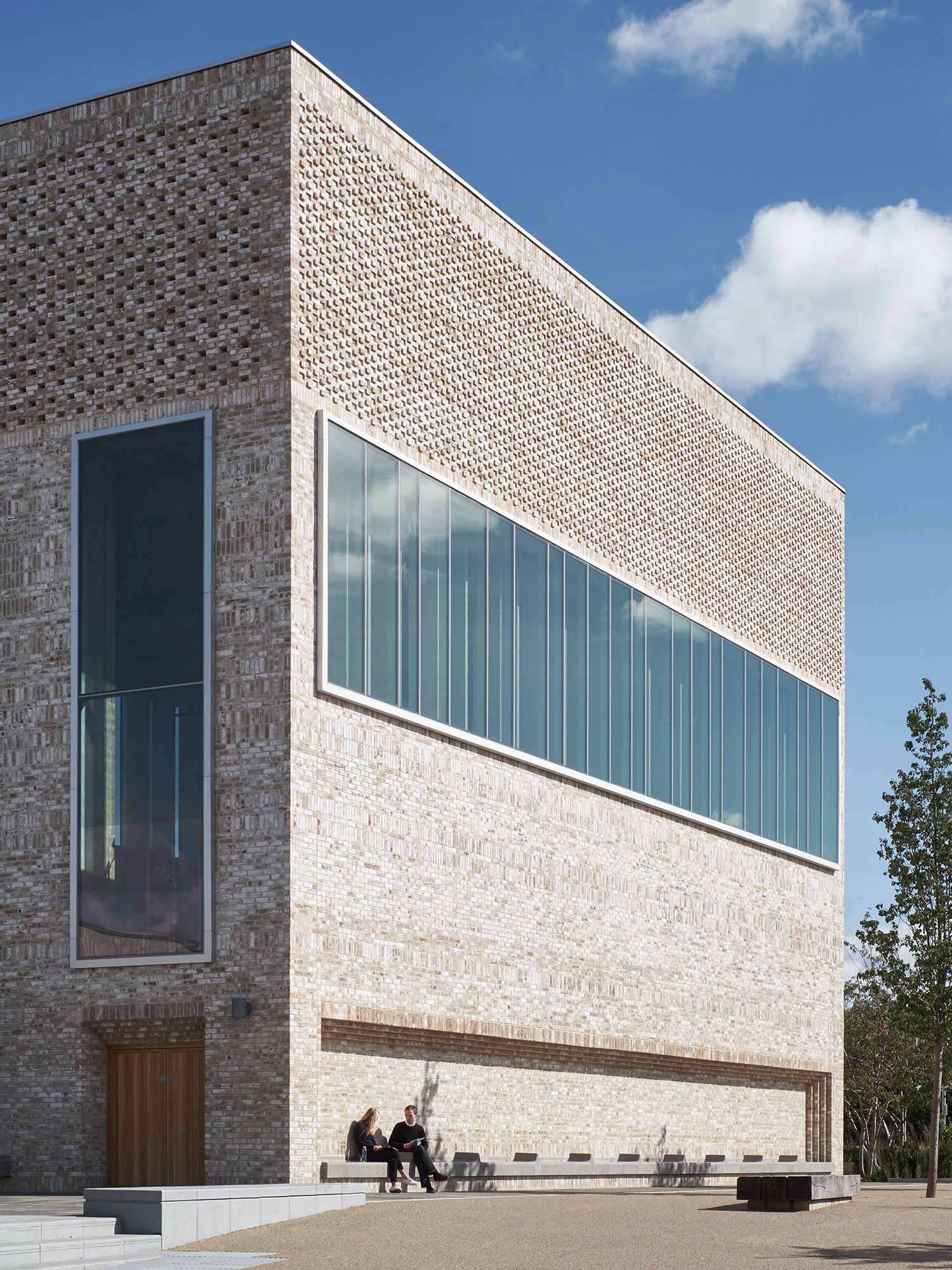
Storey's Field Centre, Cambridge / MUMA LLP

Homerton College Dining Hall / Fielden Fowles

Lourve Abu Dhabi / Jean Nouvel
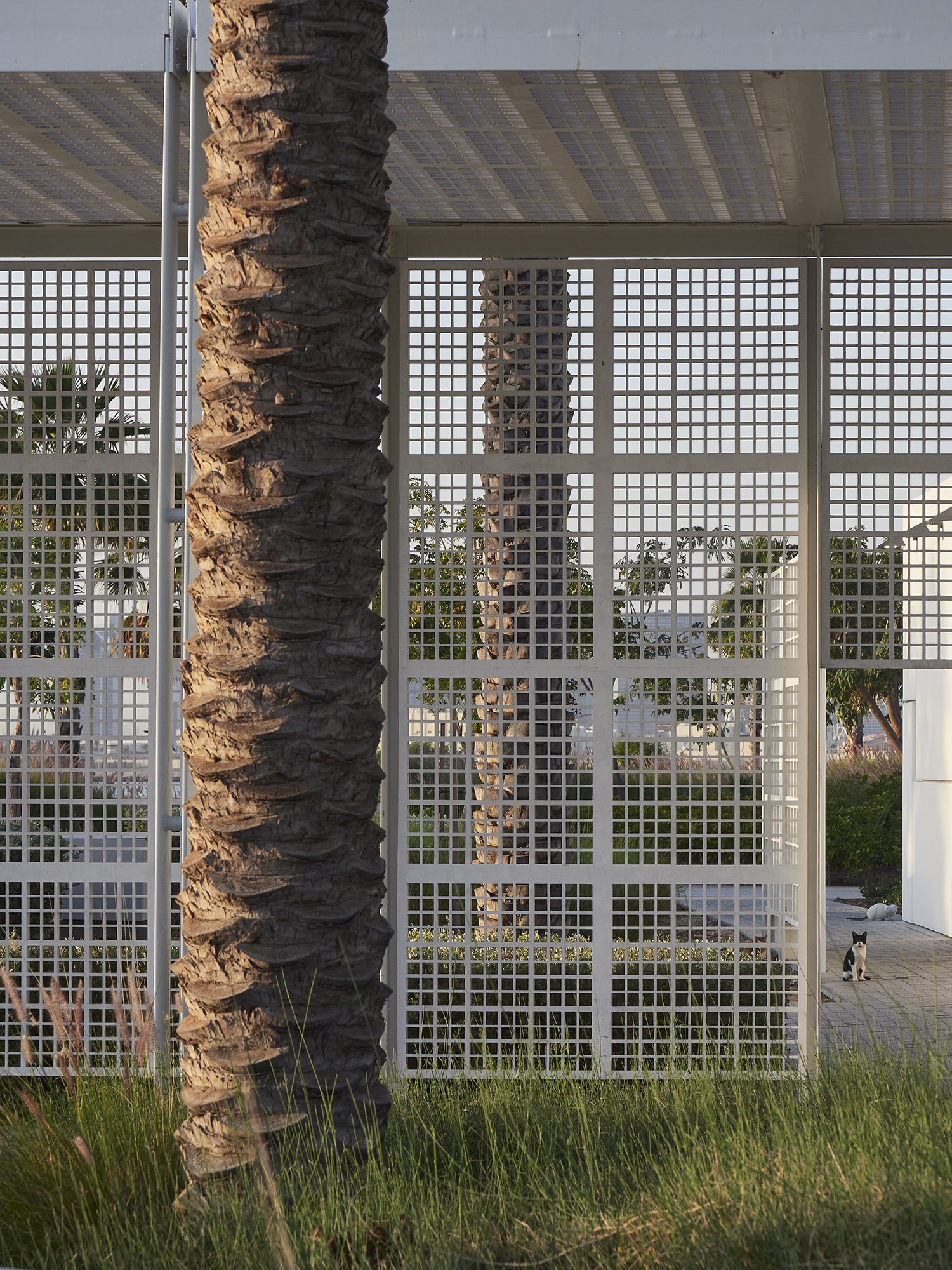
Lourve Abu Dhabi / Jean Nouvel
Turner Contemporary / David Chipperfield & Partners

Turner Contemporary / David Chipperfield & Partners
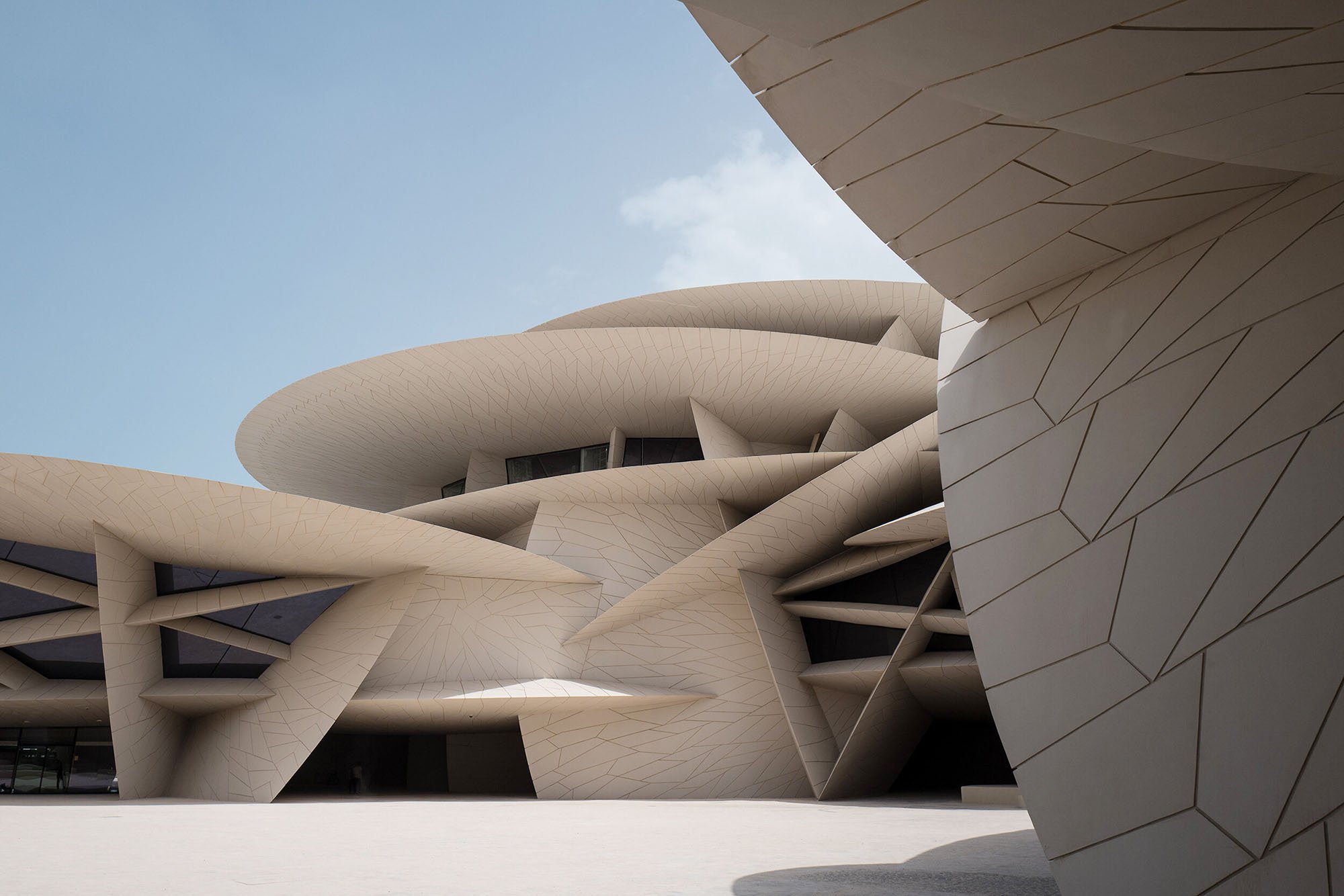
Qatar National Museum / Jean Nouvel

Battersea Power Station

Chicago / Personal

Canary Wharf / Canary Wharf Property Group

Oslo Opera House / Snohetta

Oslo Opera House / Snohetta

Canary Wharf
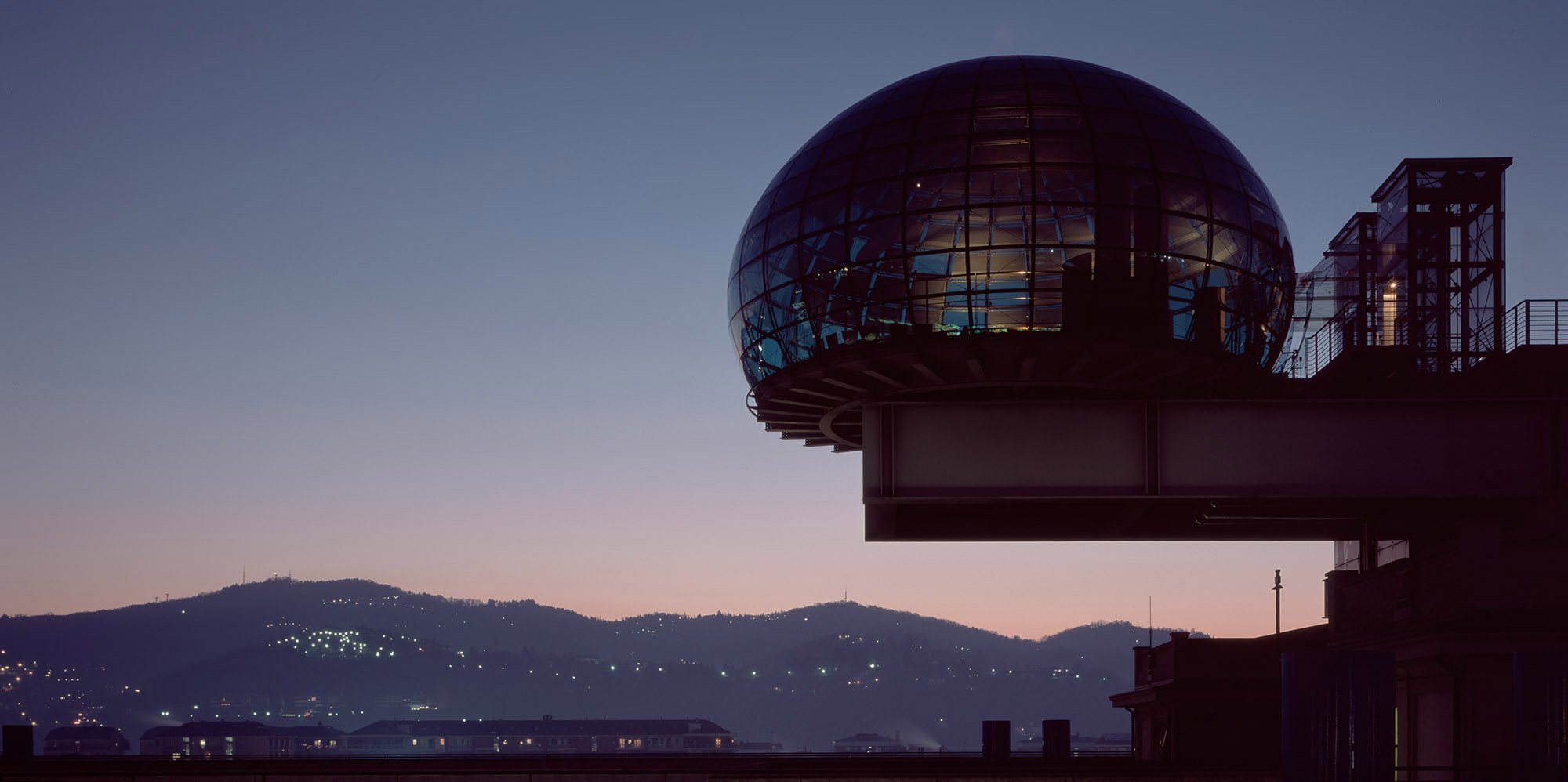
Lingotto Hotel, Turin / Renzo Piano

Lancaster University / John McAlsan + Partners

Goetz Collection, Munich / Herzog & de Meuron

House in Coombe Park / Eldridge London

Serpentine Pavilion / Selgascano

RUSI Whitehall Dome / Interface Facade Engineering
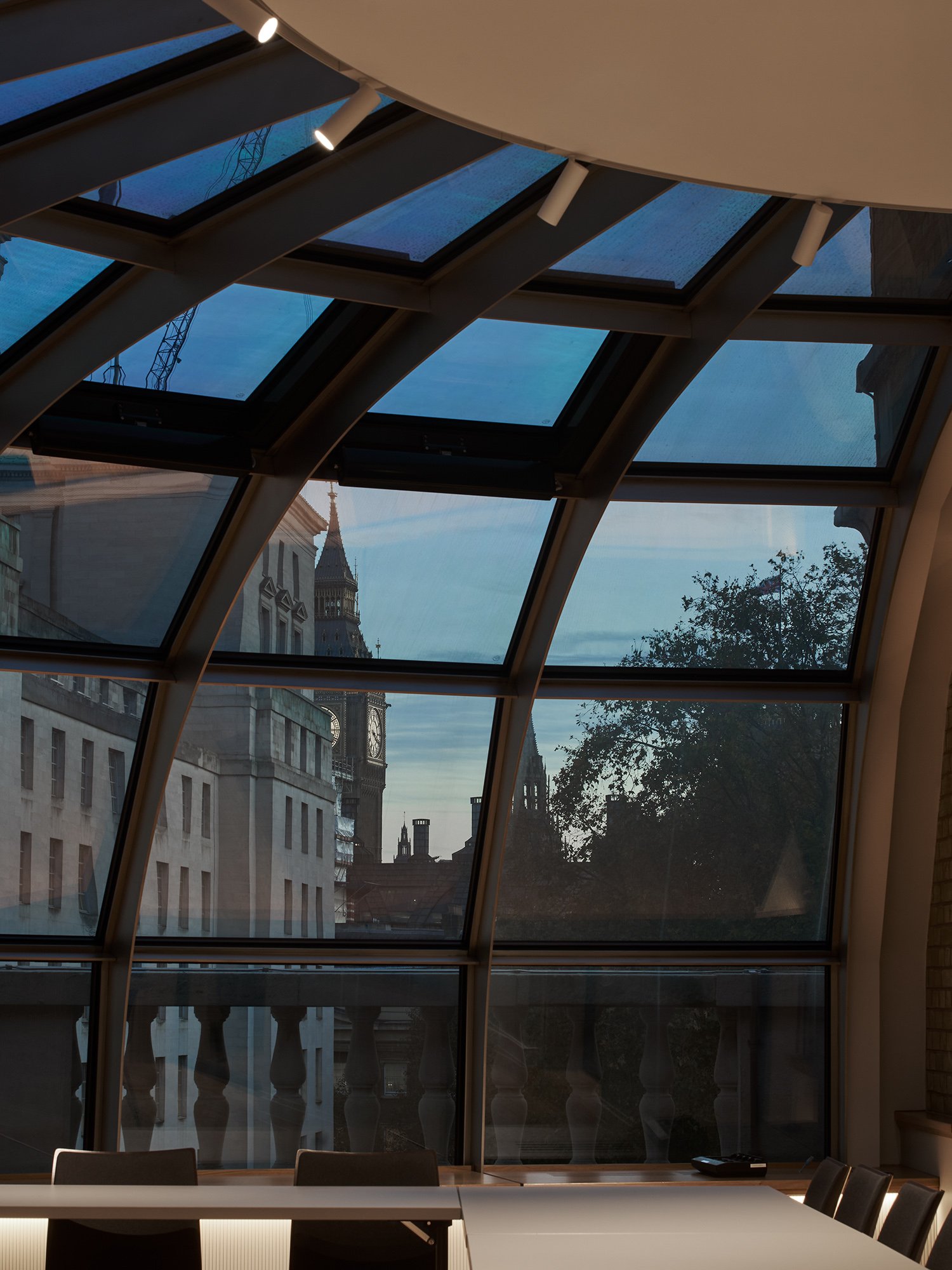
RUSI Whitehall Dome / Interface Facade Engineering

Lloyds of London / RHSP

Lloyds of London / RHSP

Tour Agbar / Jean Nouvel
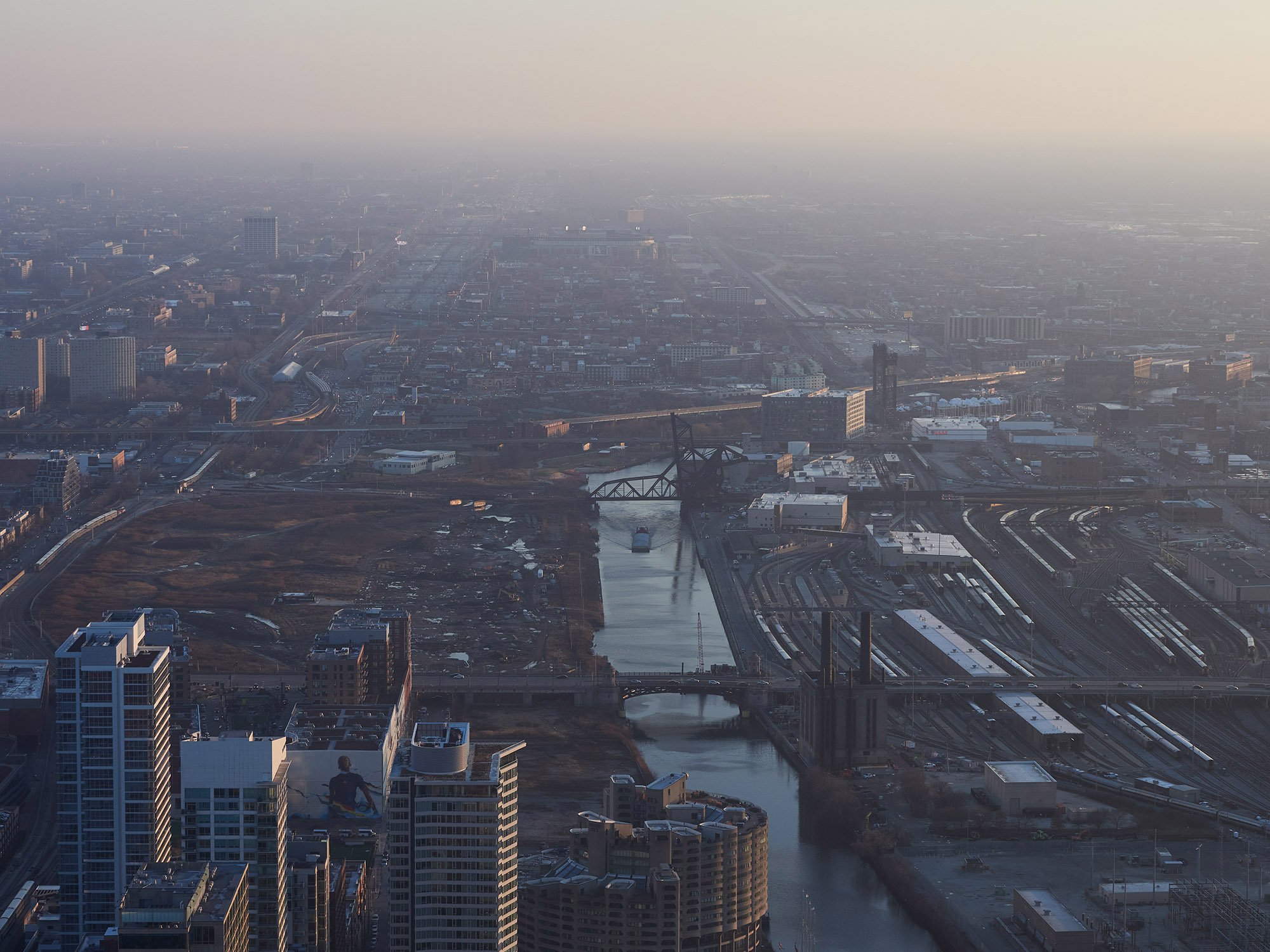
Chicago / Tishman Speyer
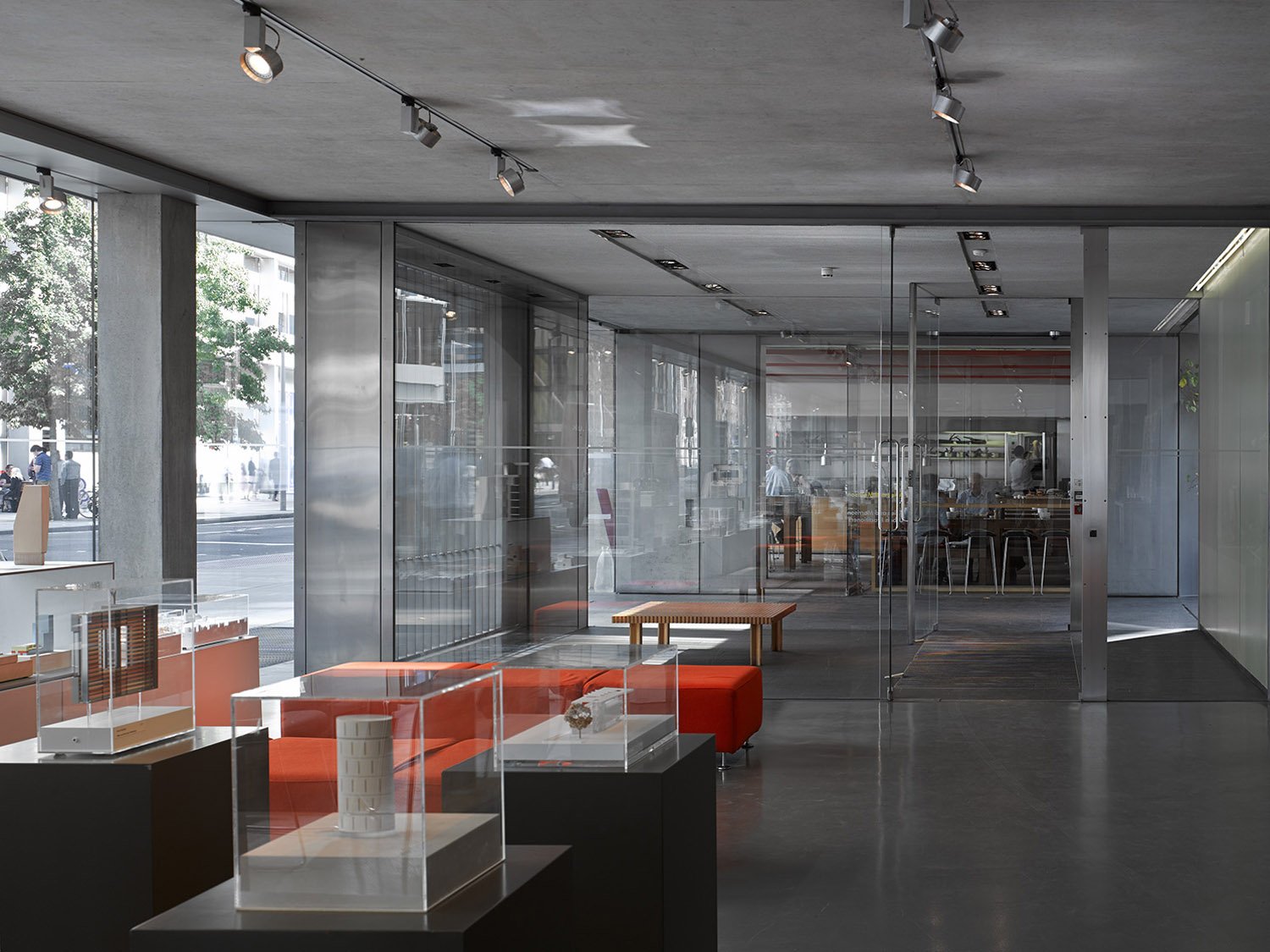
Studio / Allies & Morrison

Serpentine Pavilion / Frank Gehry

Qatar National Library / OMA

Qatar National Library / OMA
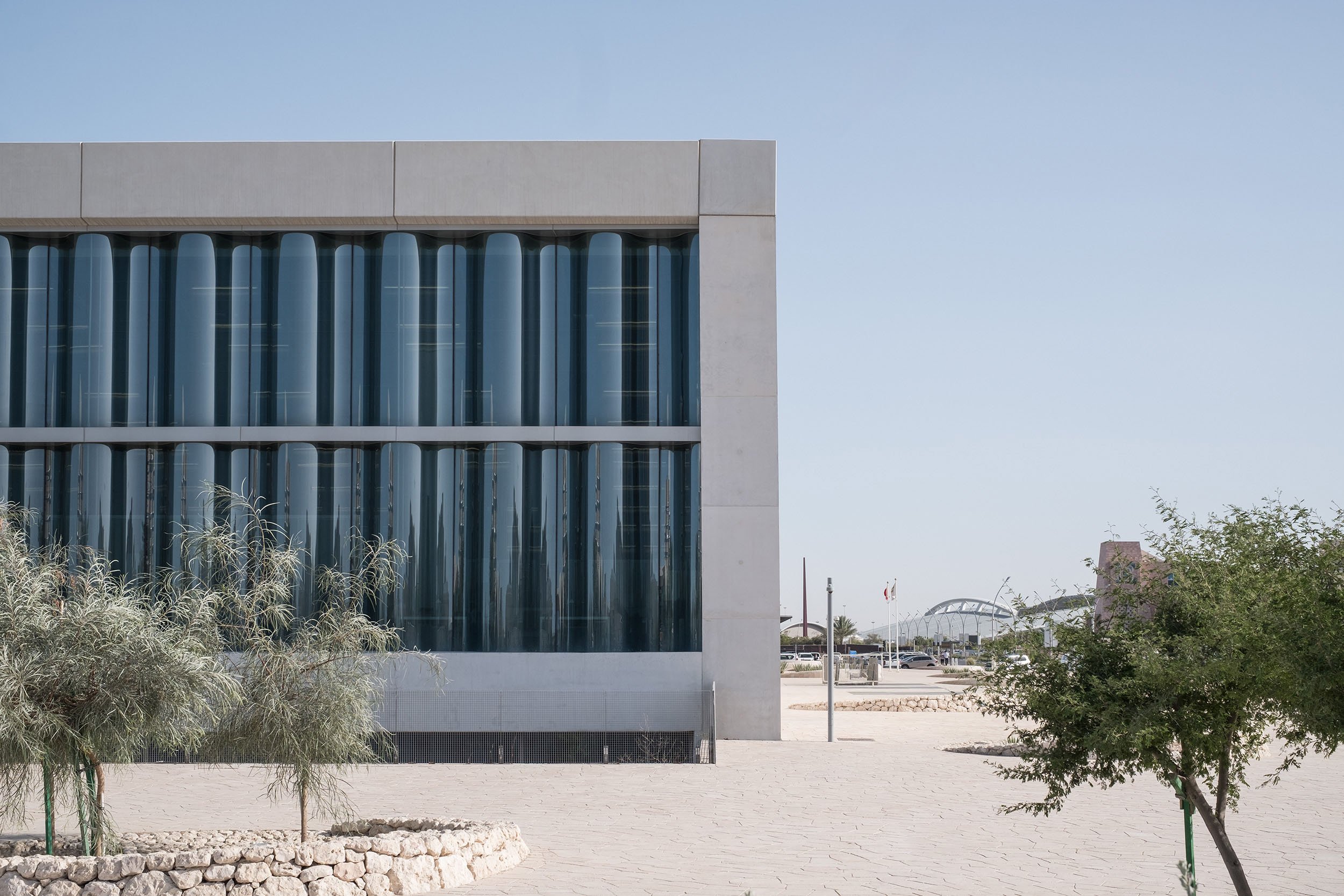
National Library of Qatar / Jean Nouvel

Museum of Islamic Art / IM Pei

Serpentine Pavilion / Toyo Ito
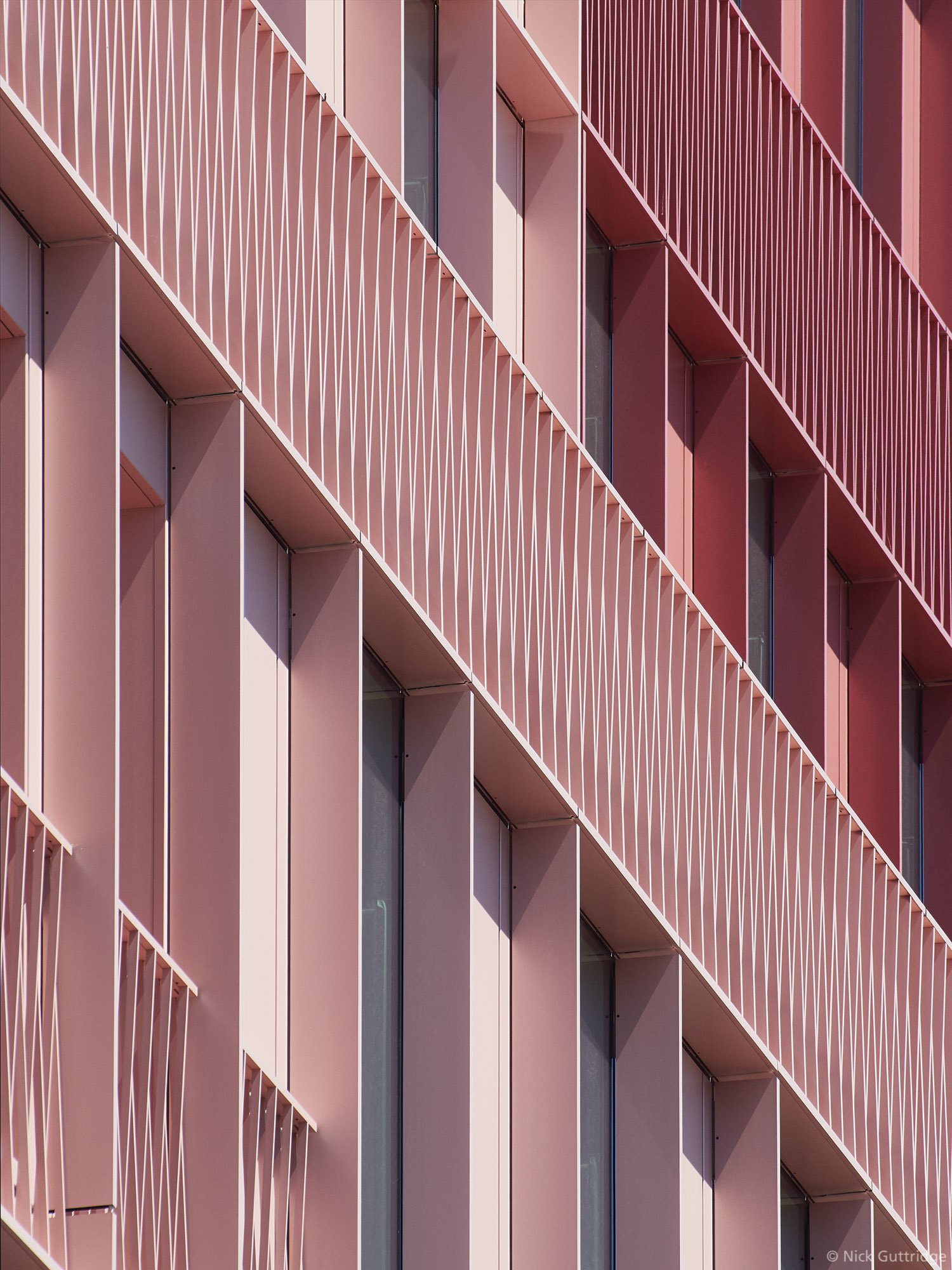
R7 King's Cross / Morris & Company
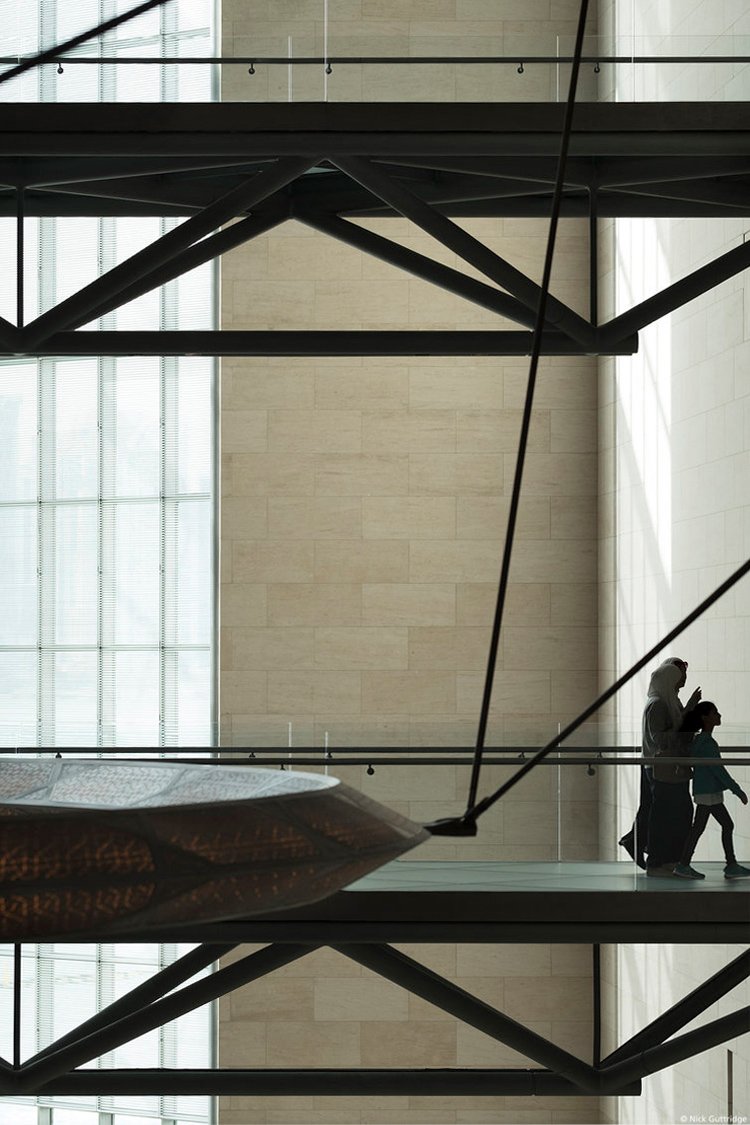
Museum of Islamic Art / IM Pei

Chicago / Tishman Speyer

Iceberg Swimming Club, Sydney

Serpentine Pavilion / Oscar Niemeyer
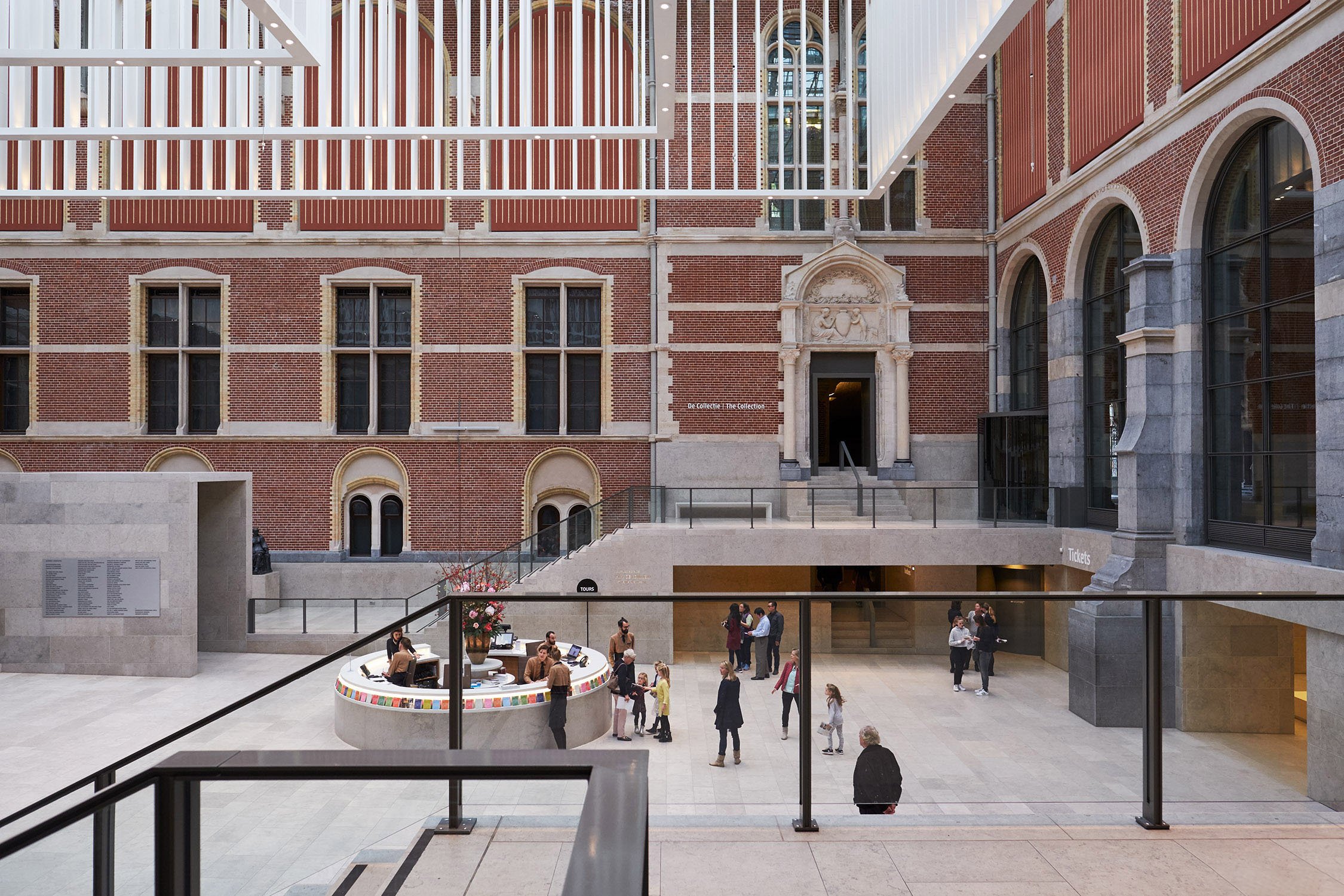
Rijks Museum / Cruz y Ortiz Arquitectos & Jean-Michel Wilmotte
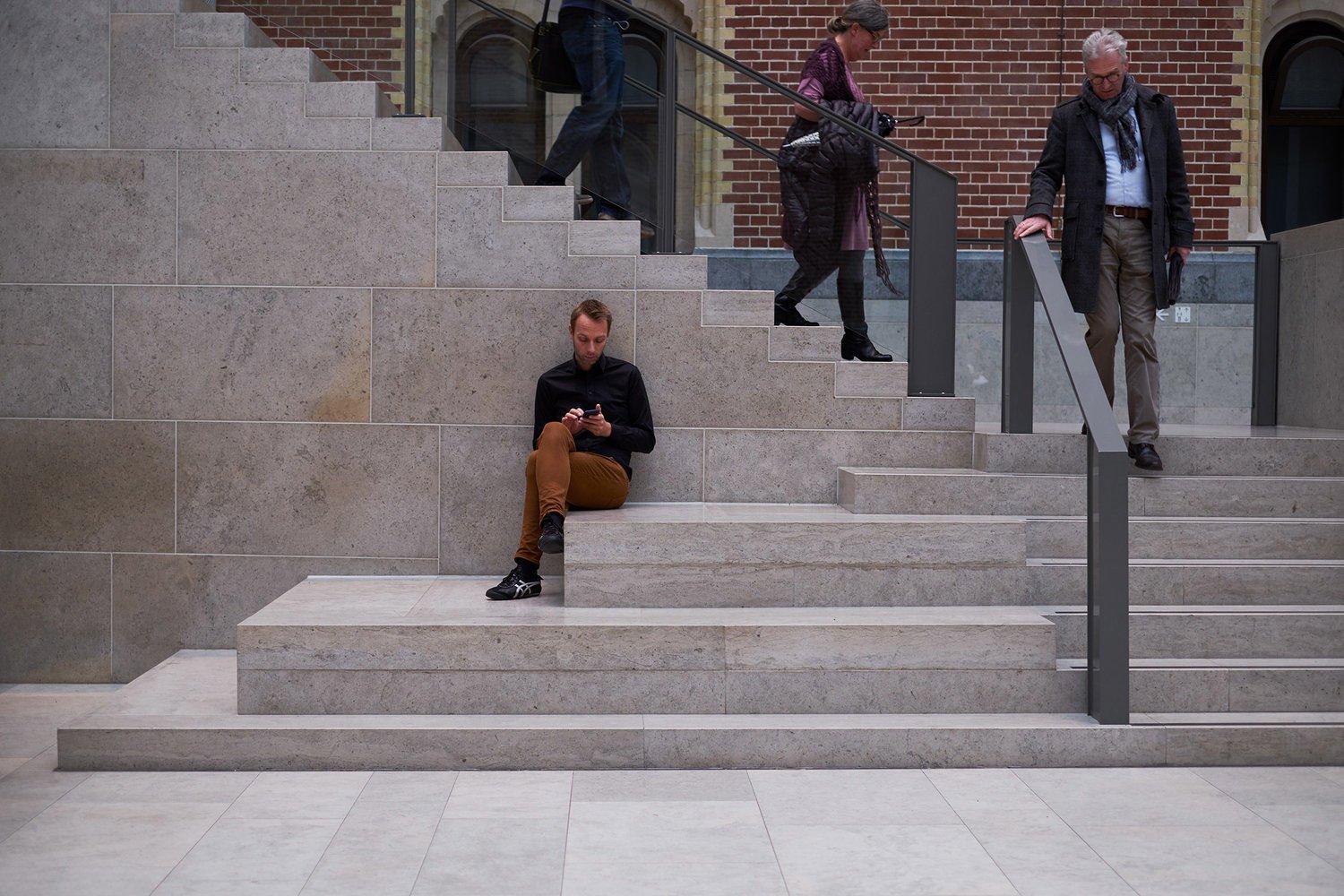
Rijks Museum / Cruz y Ortiz Arquitectos & Jean-Michel Wilmotte
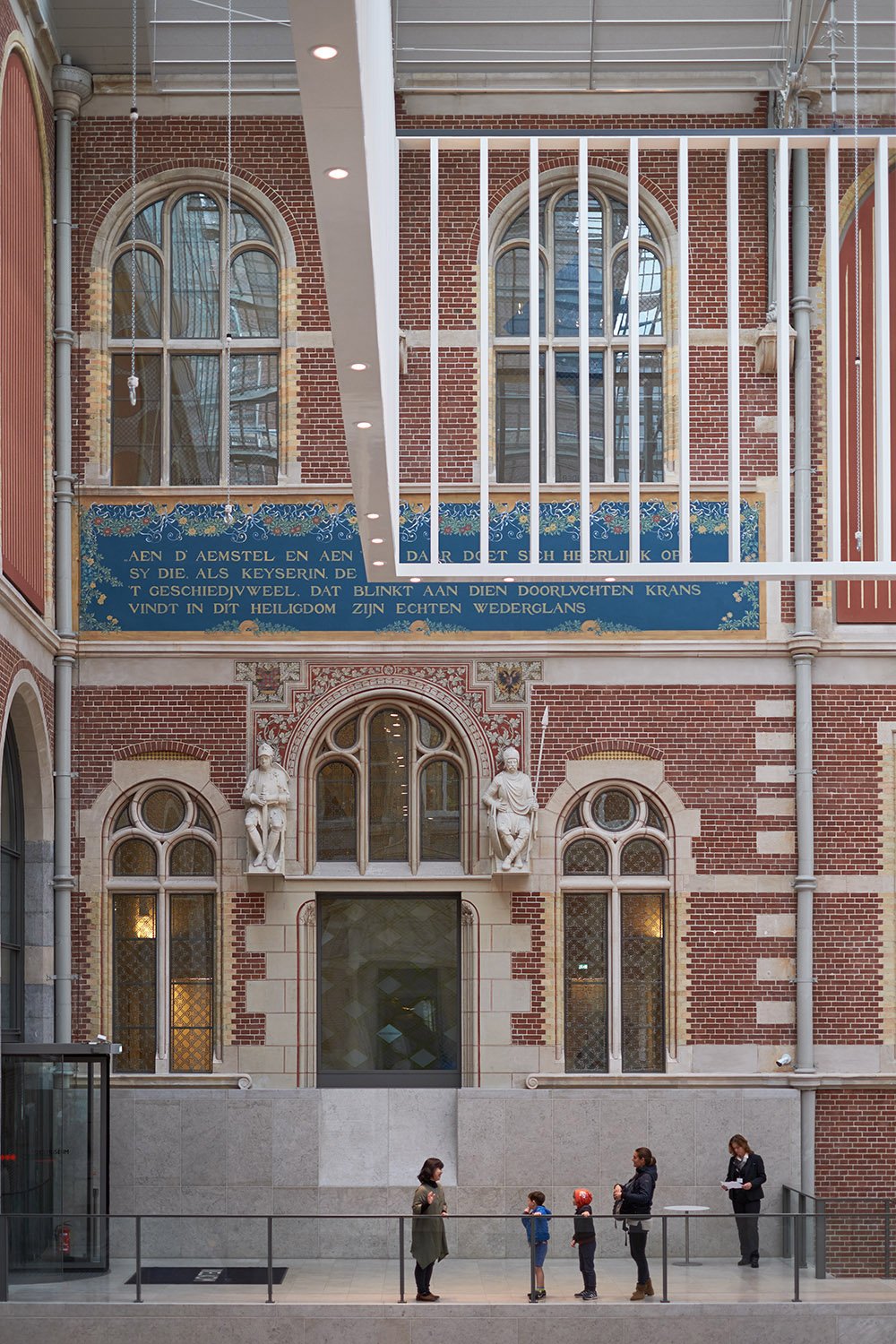
Rijks Museum / Cruz y Ortiz Arquitectos & Jean-Michel Wilmotte
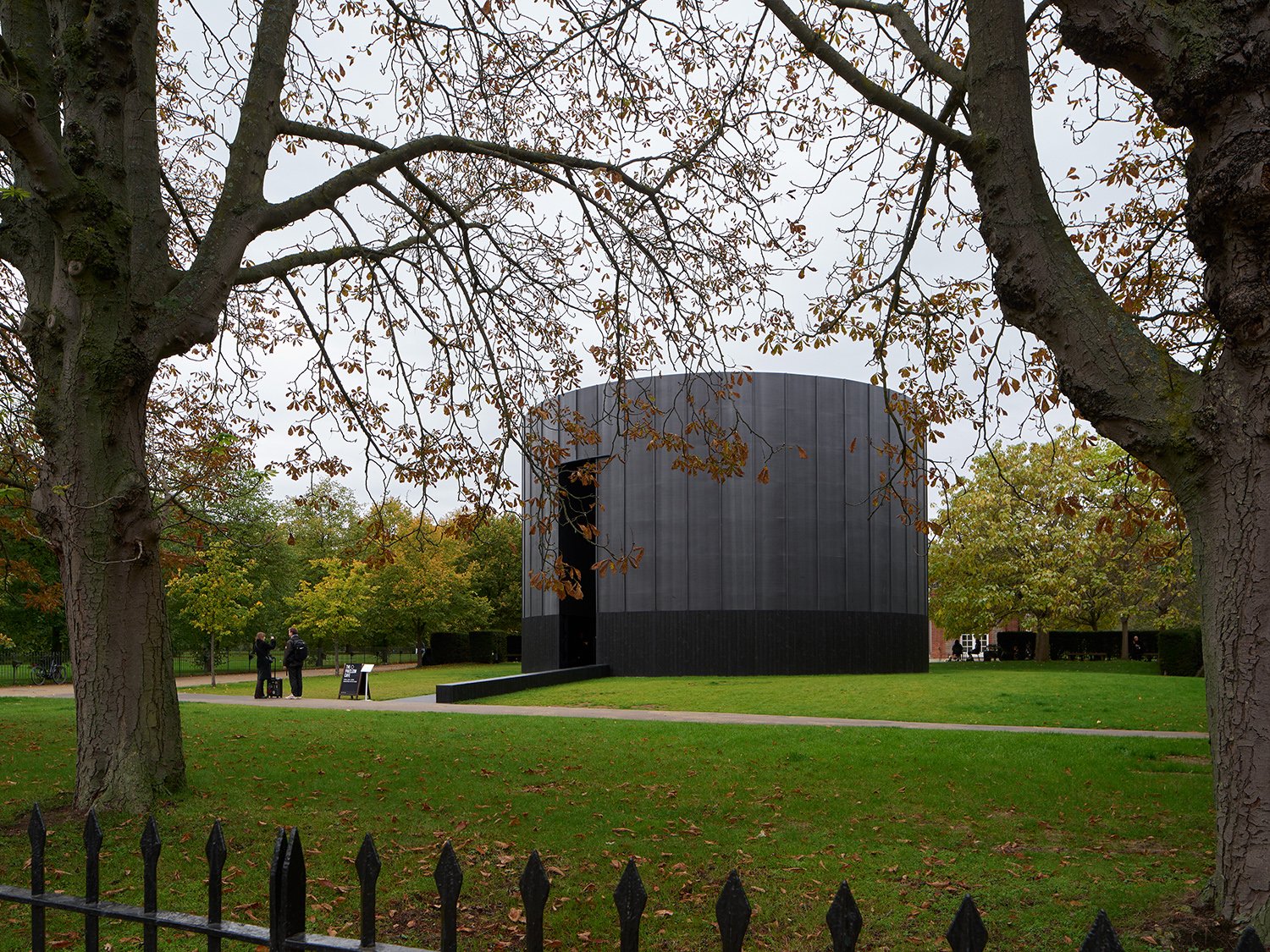
Serpentine Pavilion 2022 Black Chapel / Theaster Gates
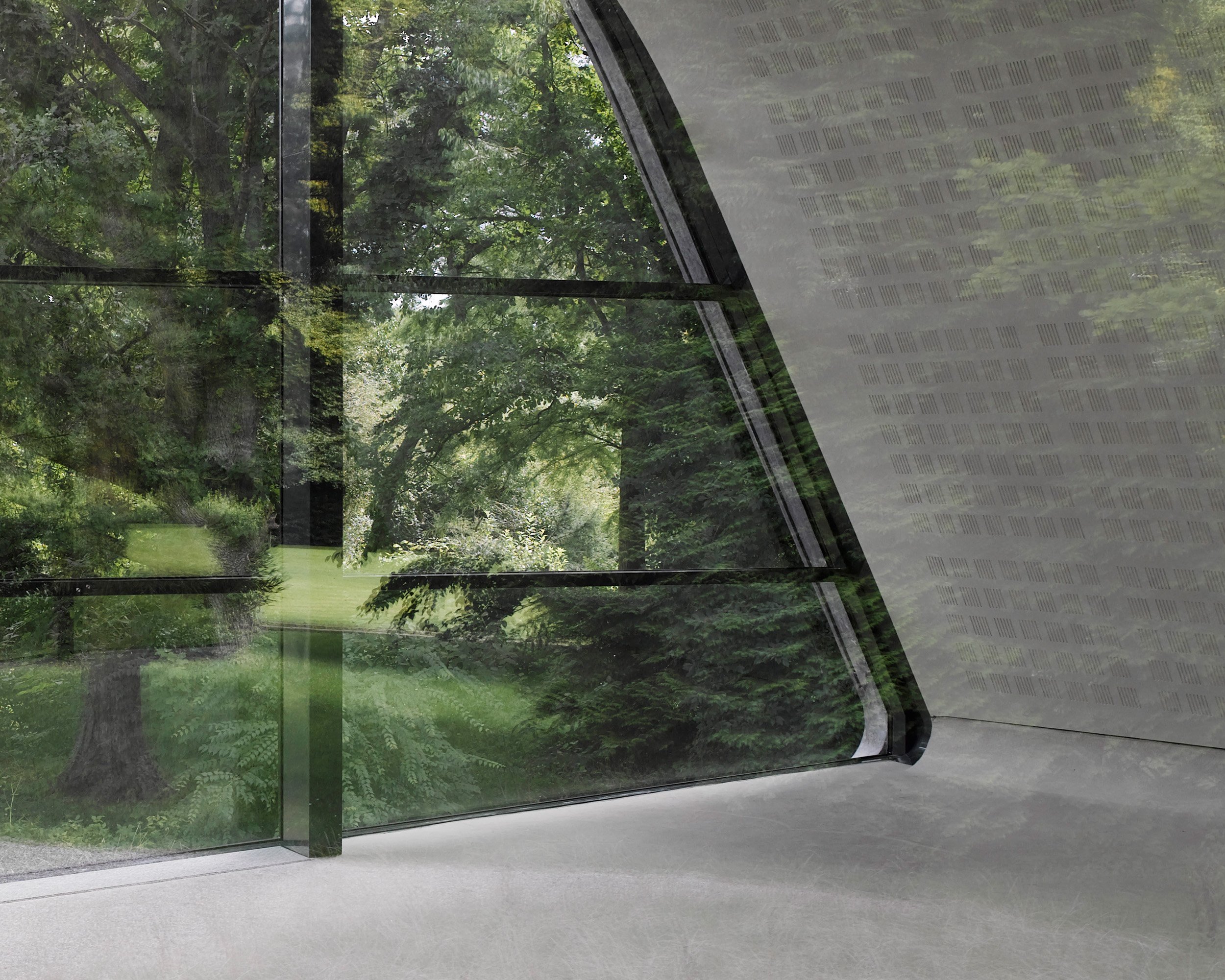
Ordrupgaard Museum Extension / Zaha Hadid
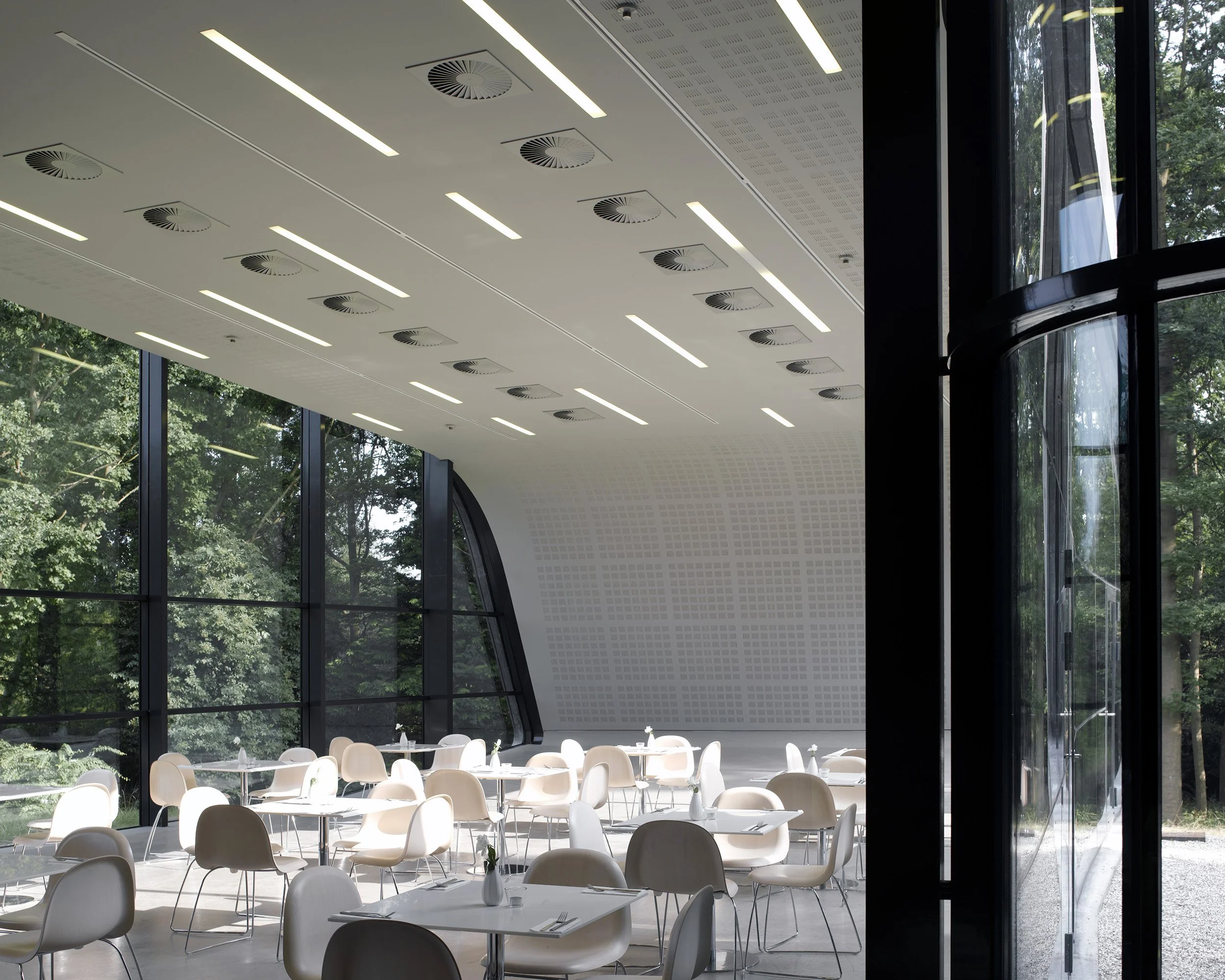
Ordrupgaard Museum Extension / Zaha Hadid
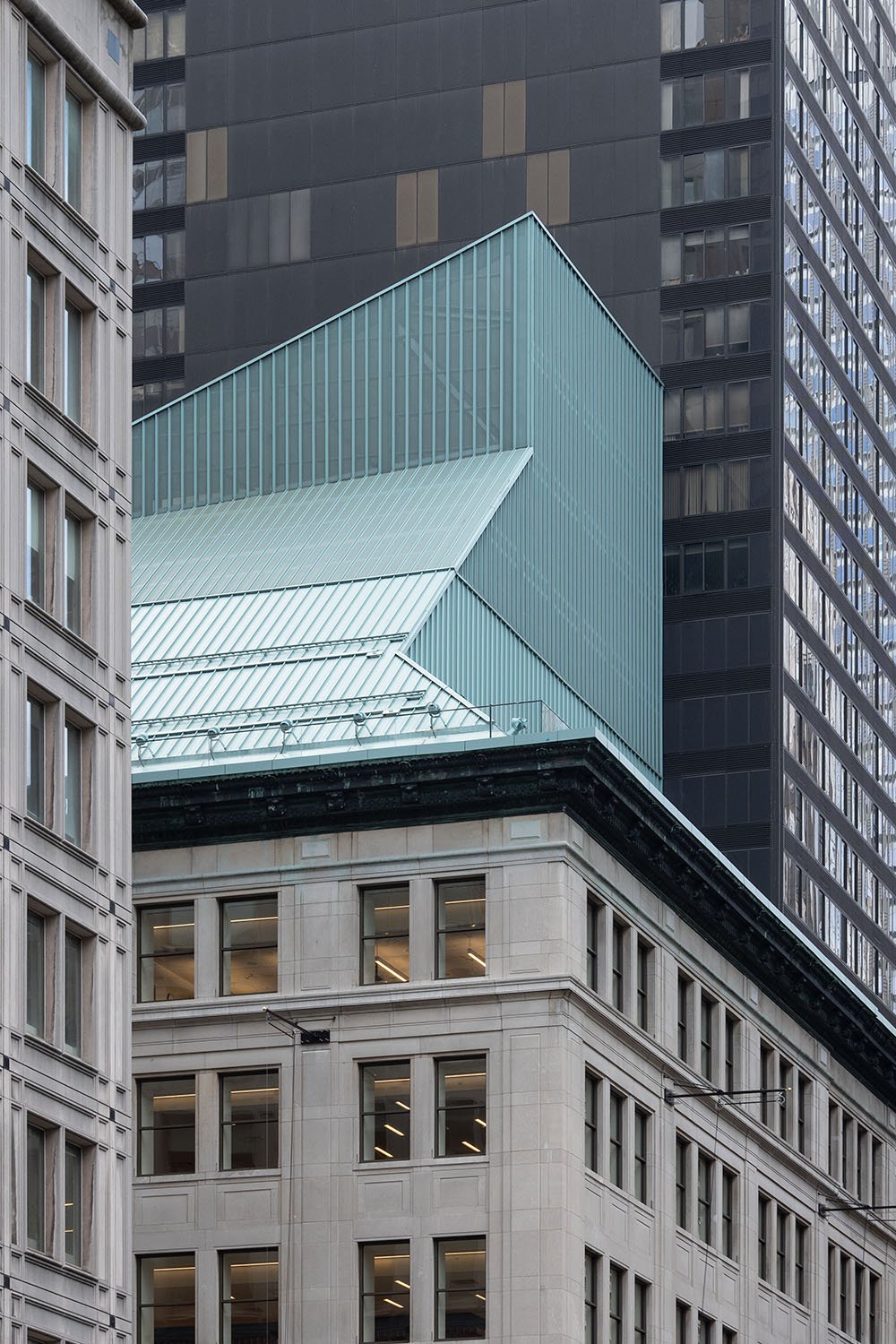
New York City Library Extension / Mecanoo
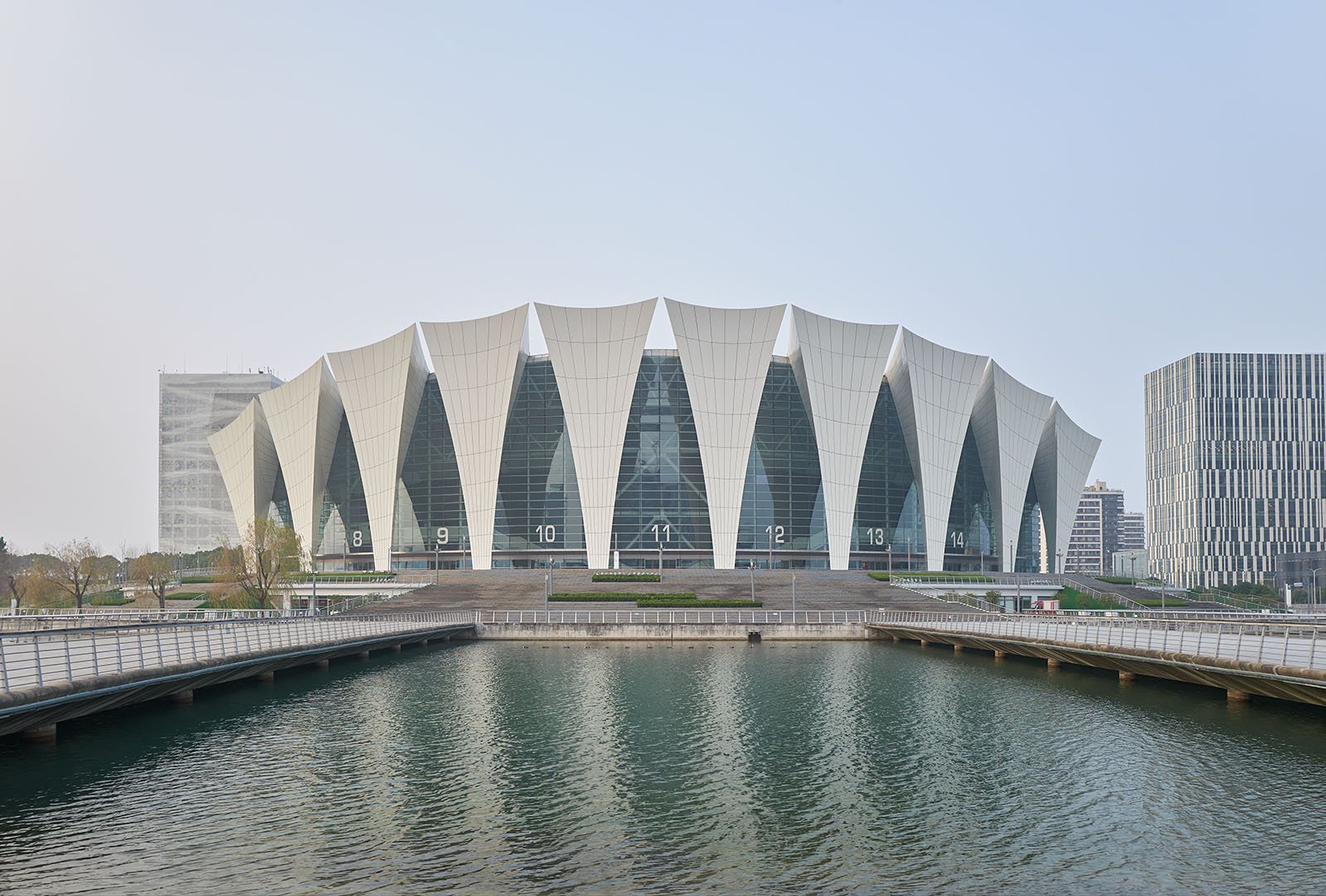
Shanghai, China / Personal
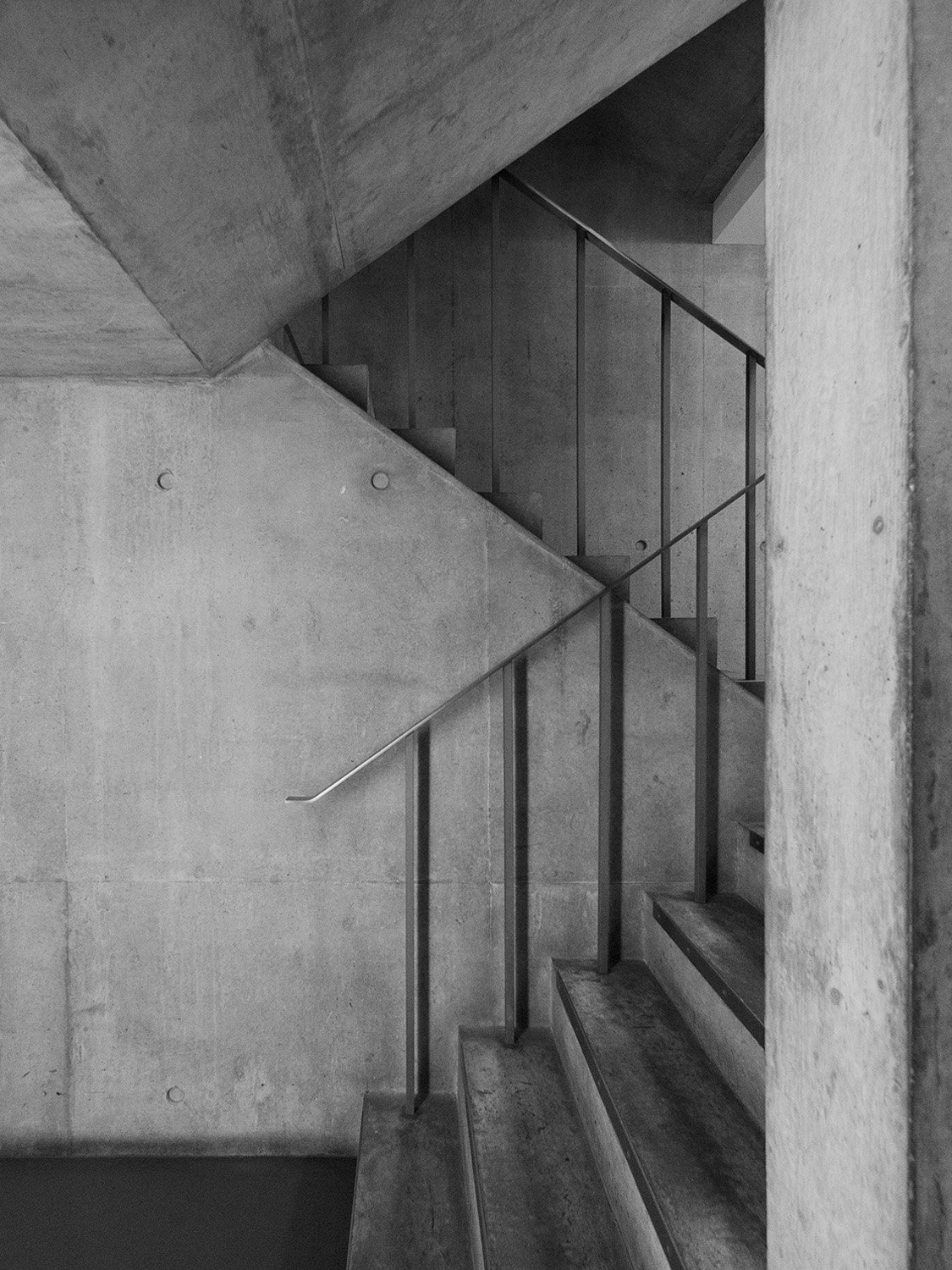
Stairs, Southwark Studio / Allies & Morrison
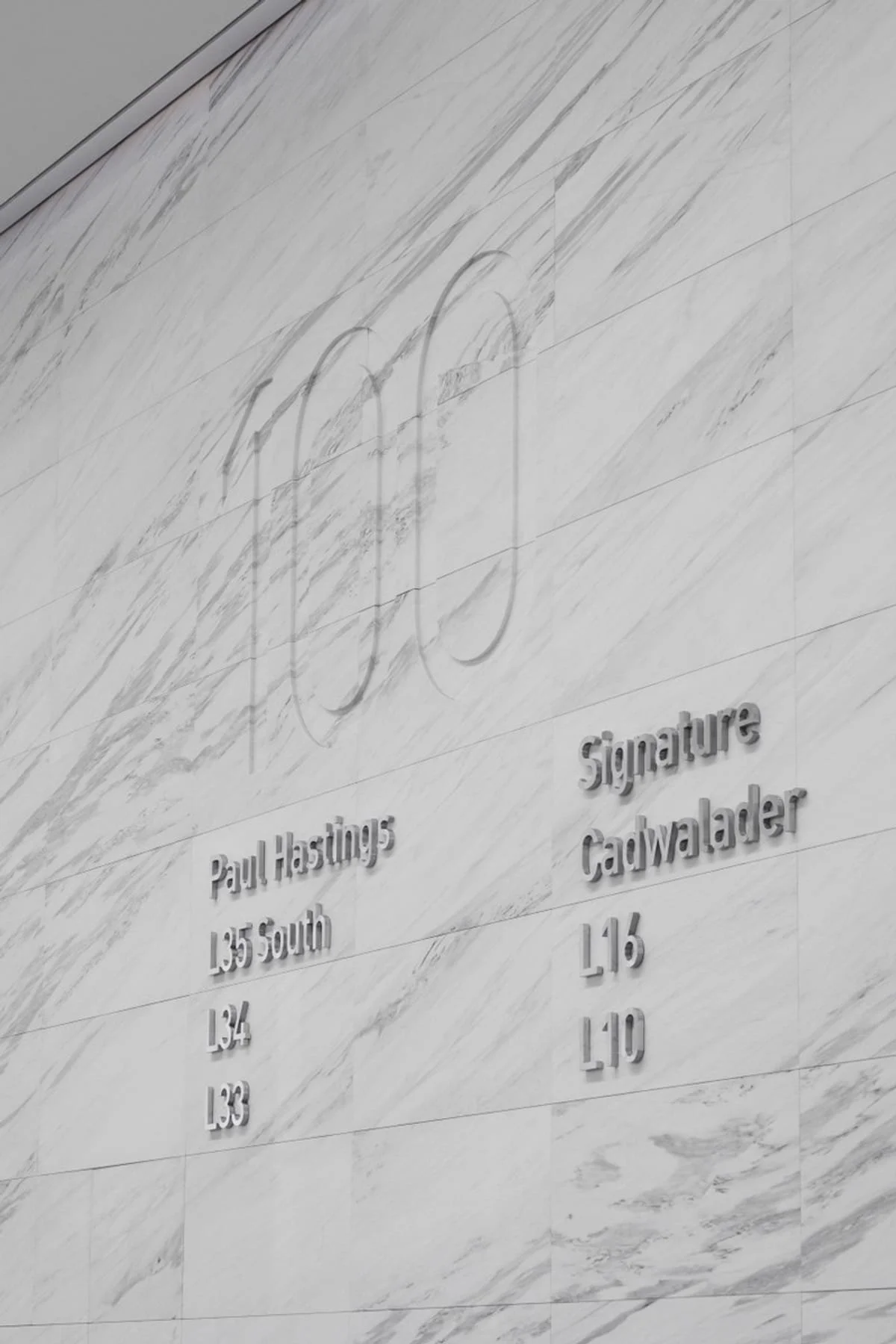
100 Bishopsgate / Allies & Morrison

Sainsbury Centre / Foster & Partners

Serpentine Pavilion 2017 / Diébédo Francis Kéré
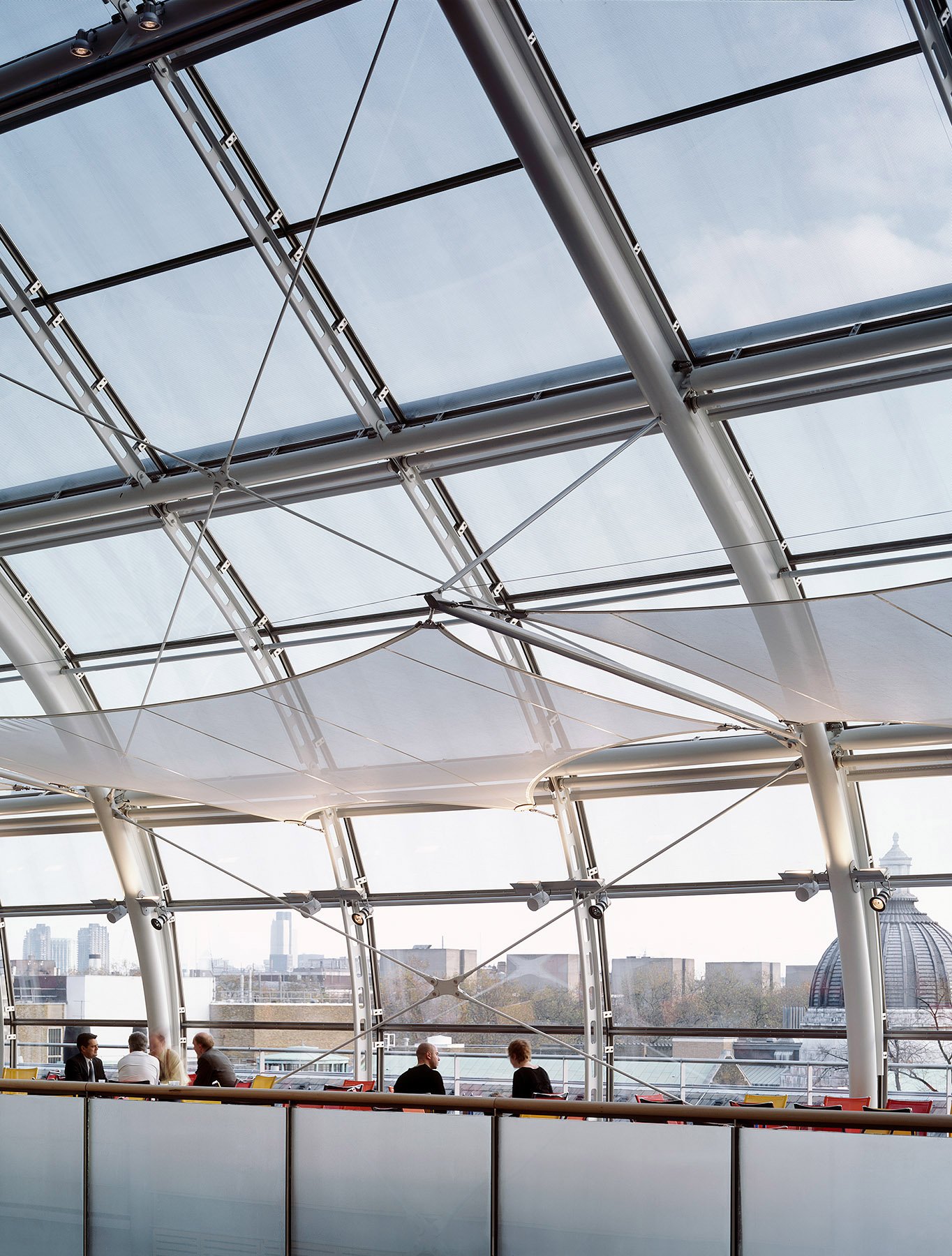
Wellcome Trust / Hopkins Architects
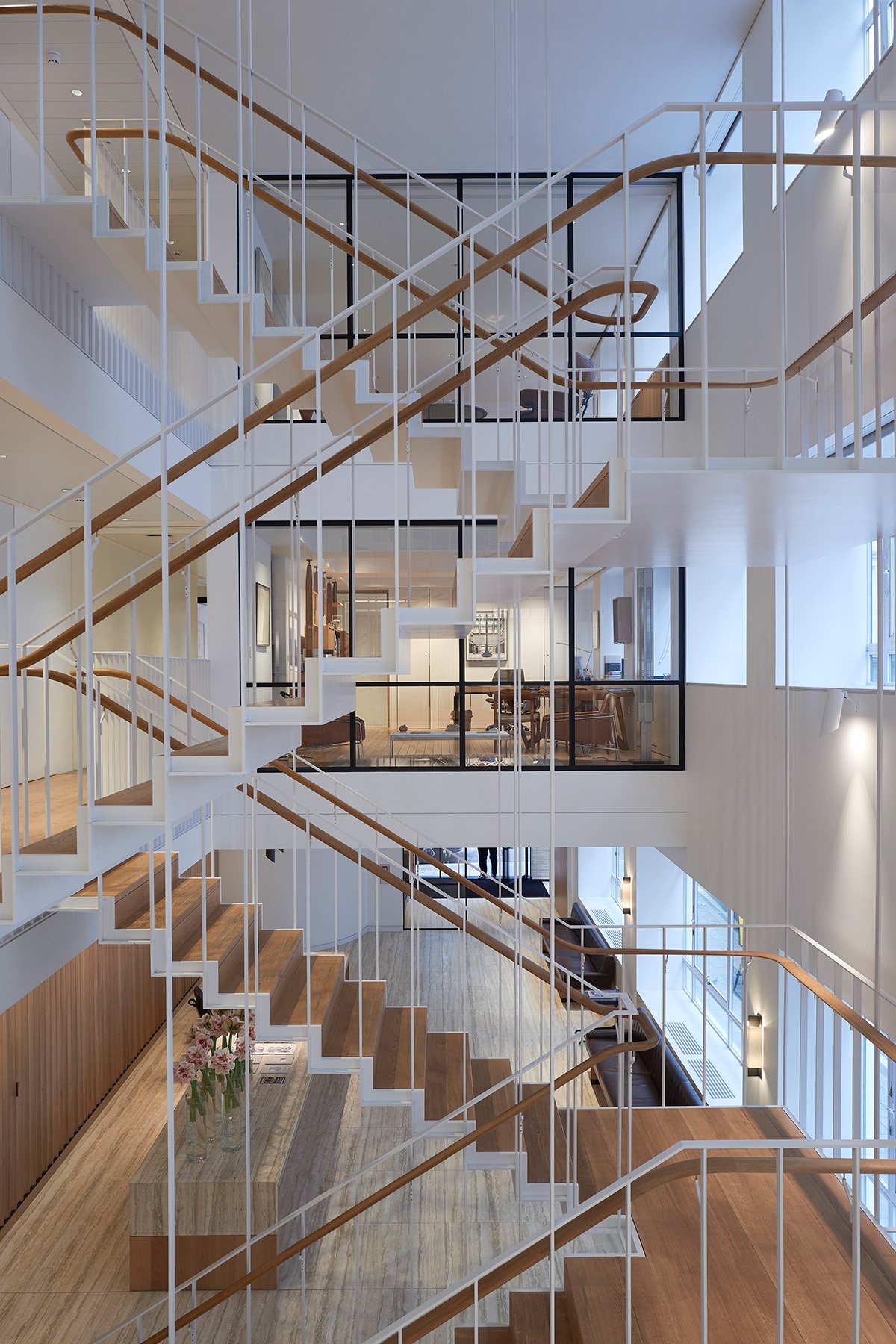
Derwent London / Piercy & Co

Farnborough / Allies & Morrison
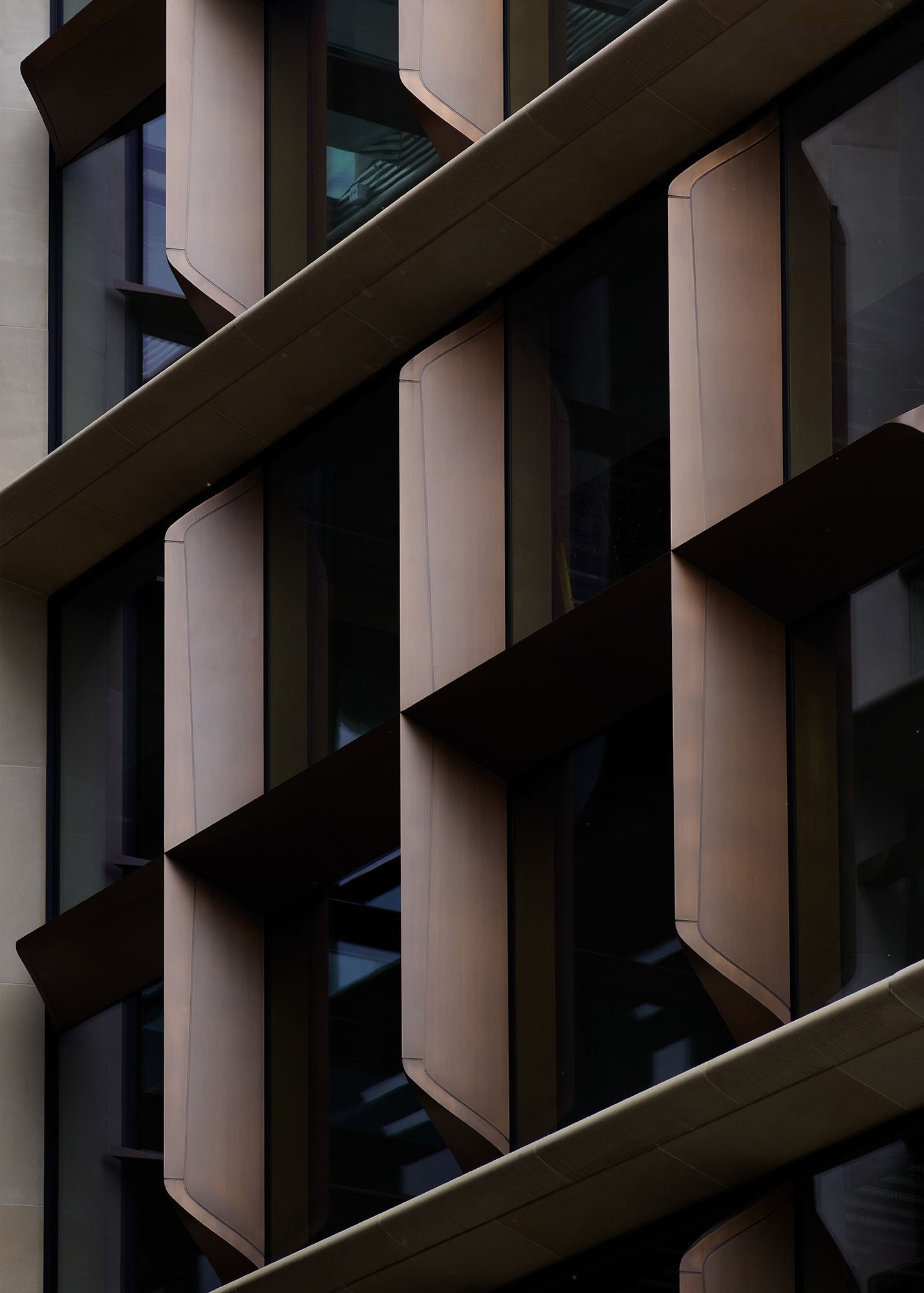
Bloomberg / Foster & Partners
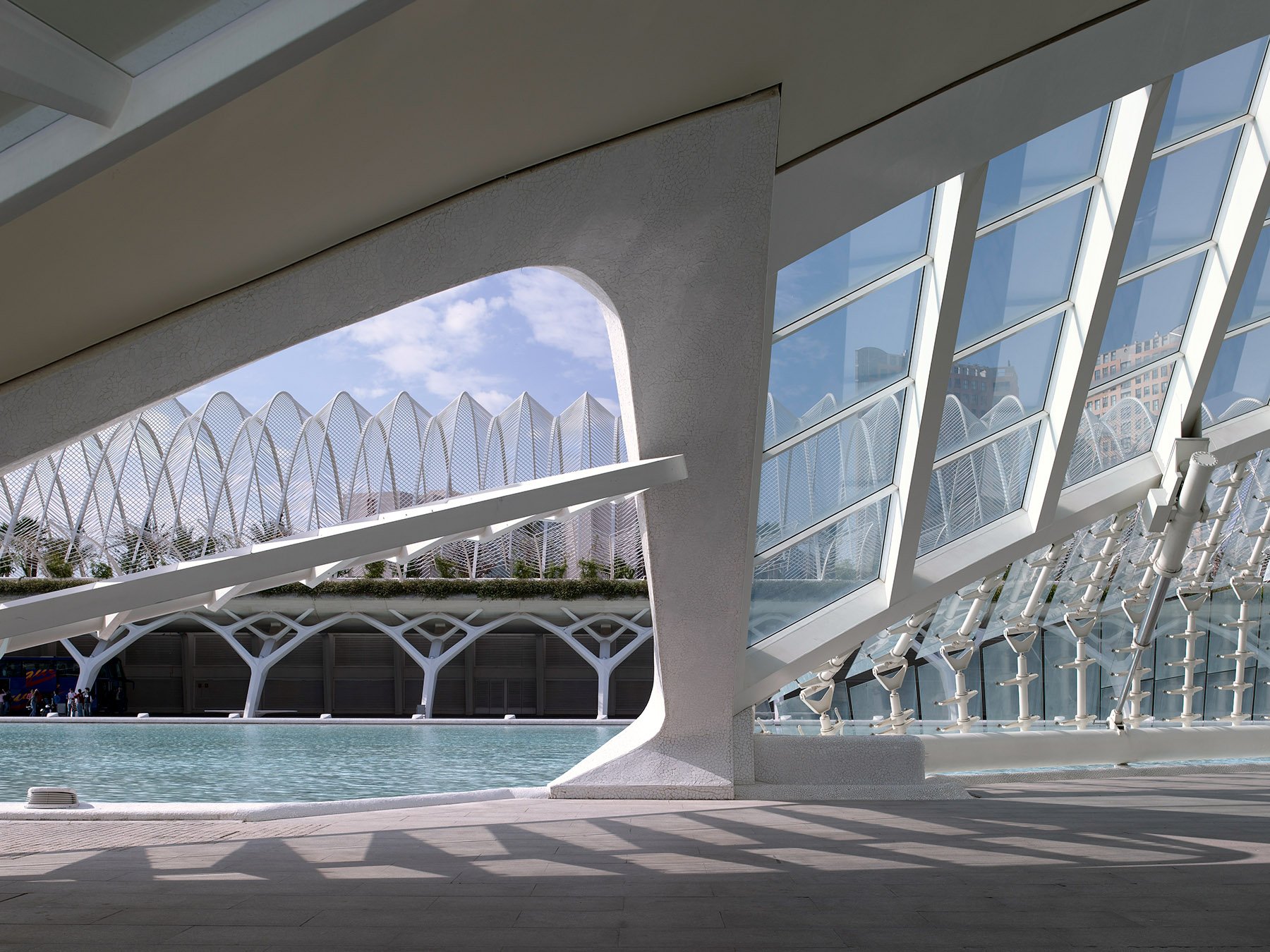
City of Arts & Sciences / Santiago Calatrava

Bishop Edward King Chapel / Niall McLaughlin Architects
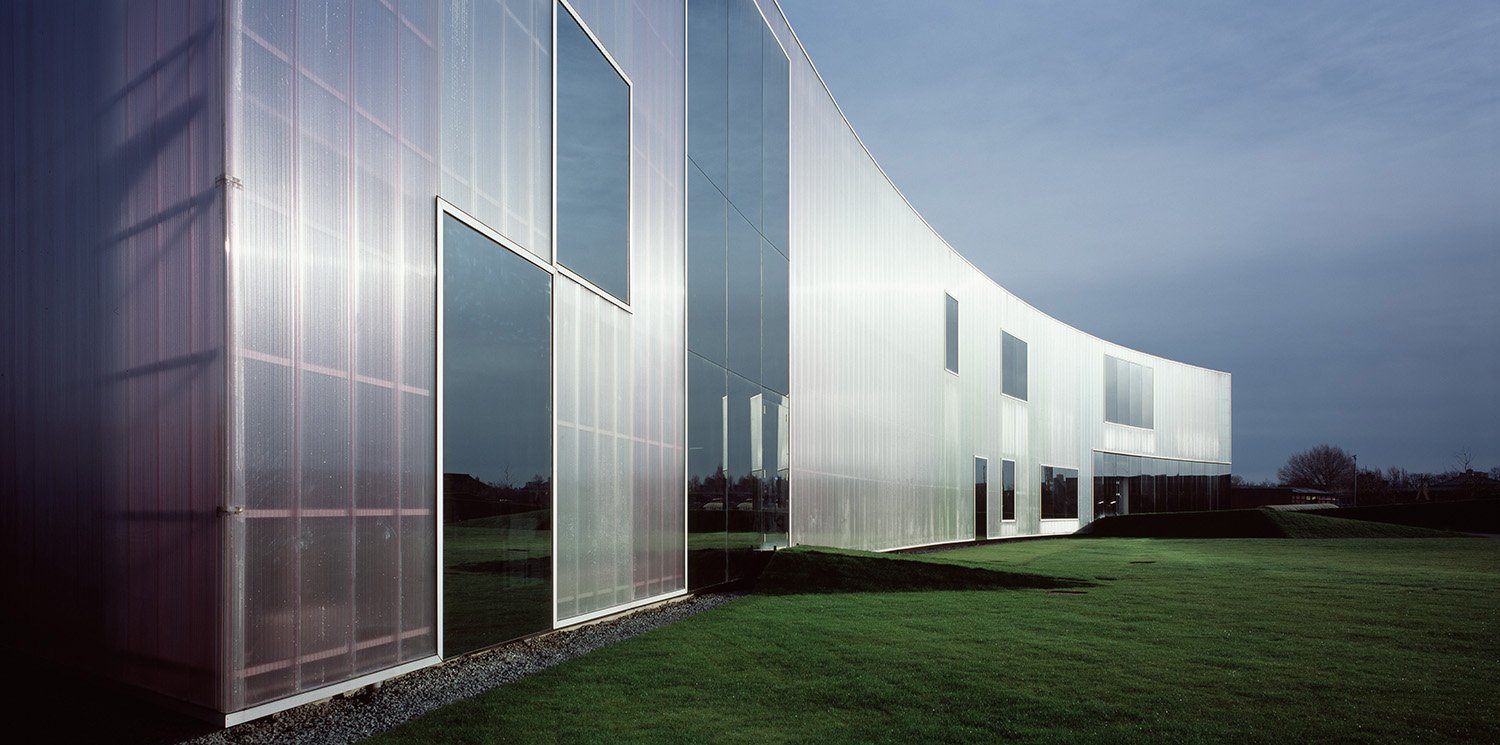
Laban / Herzog de Meuron

Town House, Kingston University / Grafton Architects

House in Twickenham / London Garden Design & Kalli Architecture
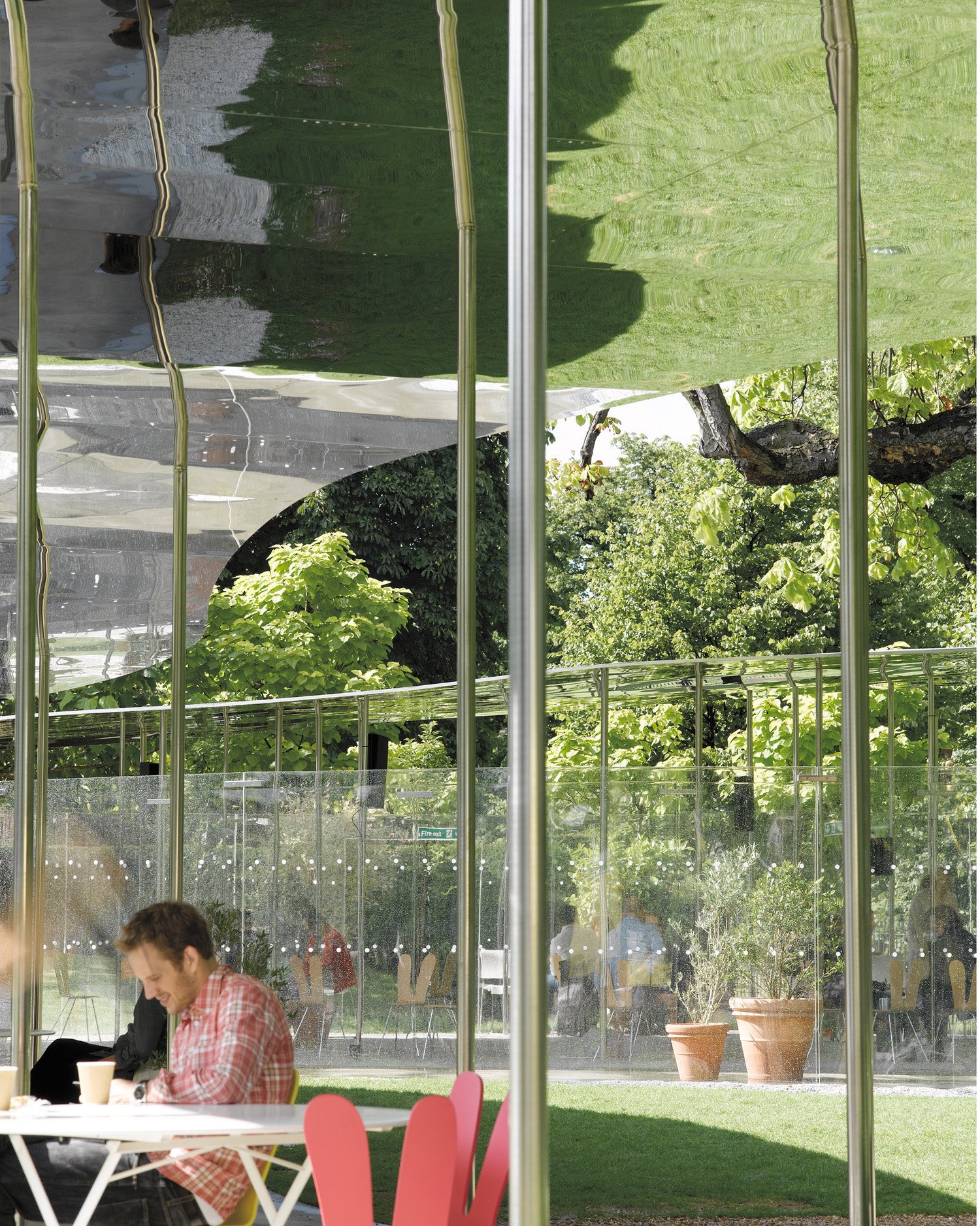
Serpentine Pavilion 2009 / Sanaa
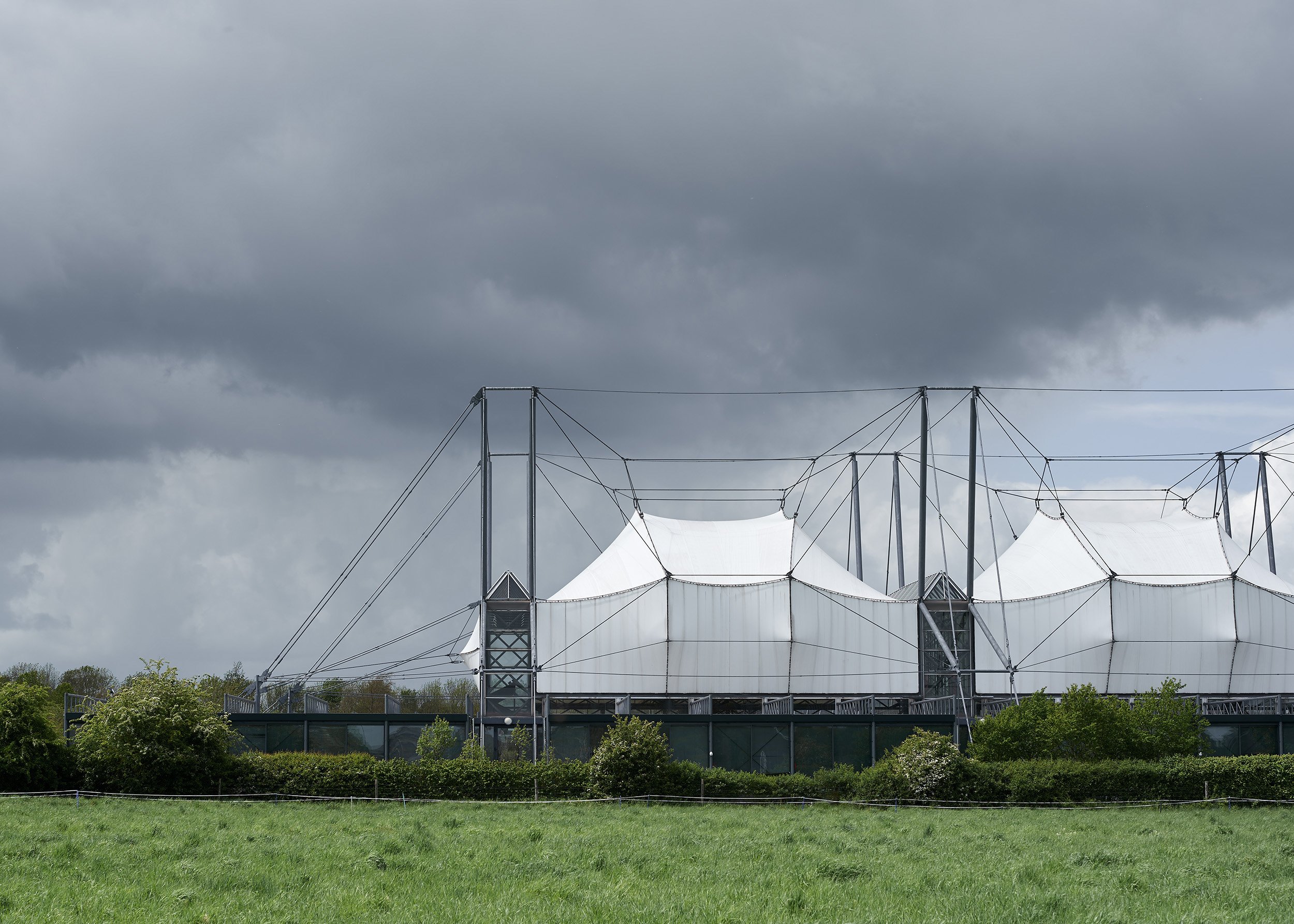
Schlumberger Cambridge Research Centre / Hopkins Architects
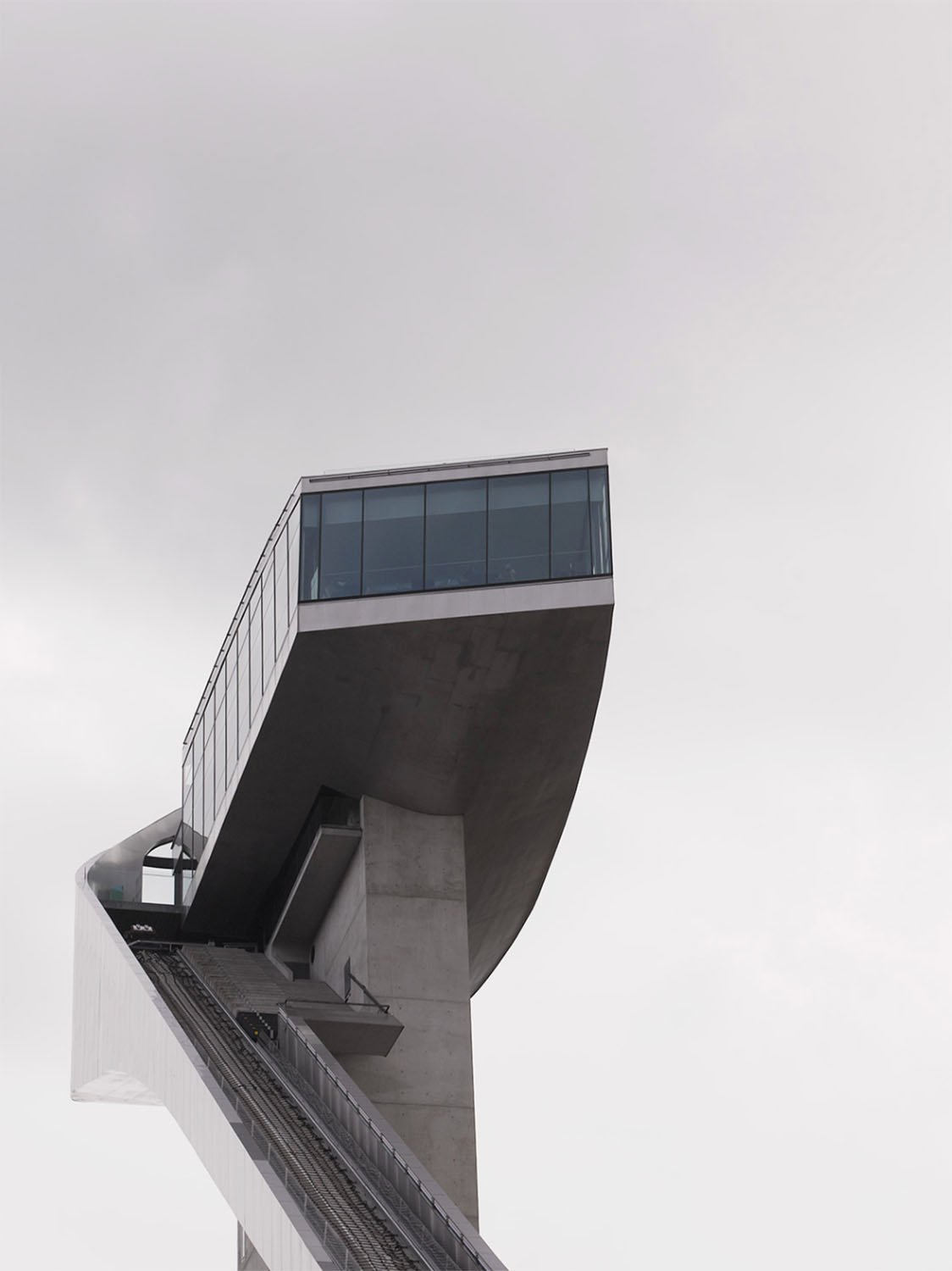
Ski Jump Innsbruck / Zaha Hadid
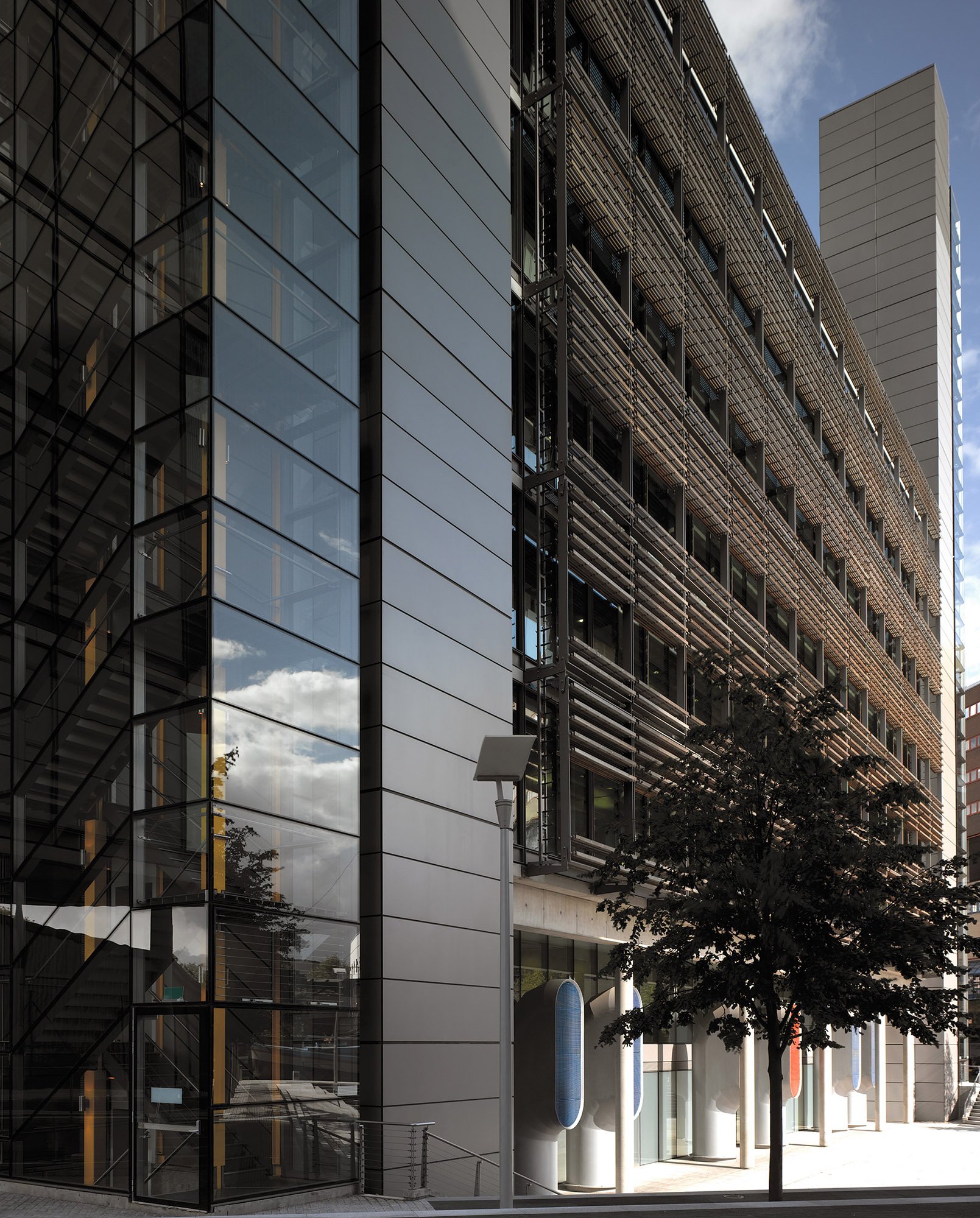
Paddington Office / RSHP
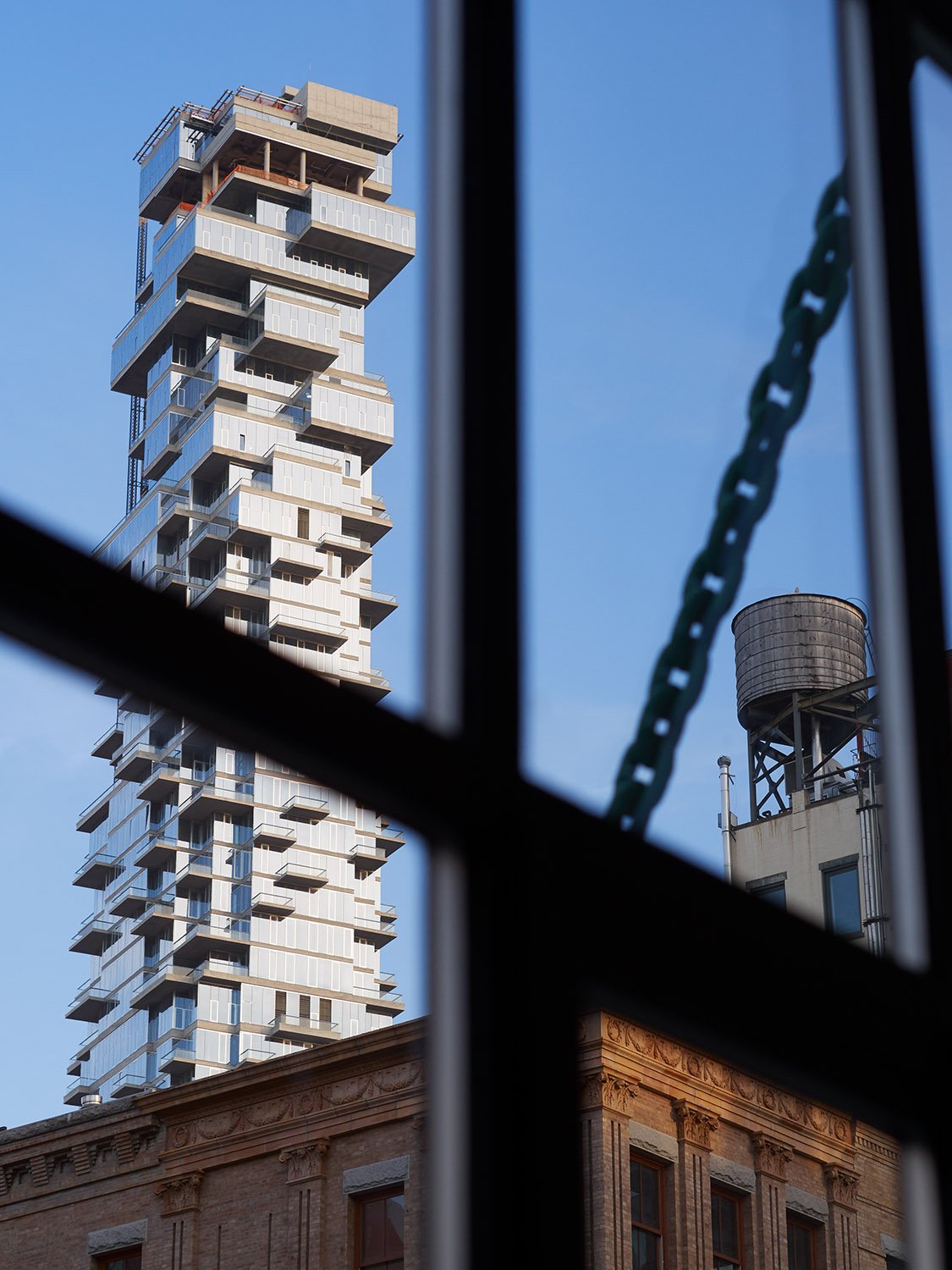
305 56 Leonard Street New York / Herzog & de Meuron
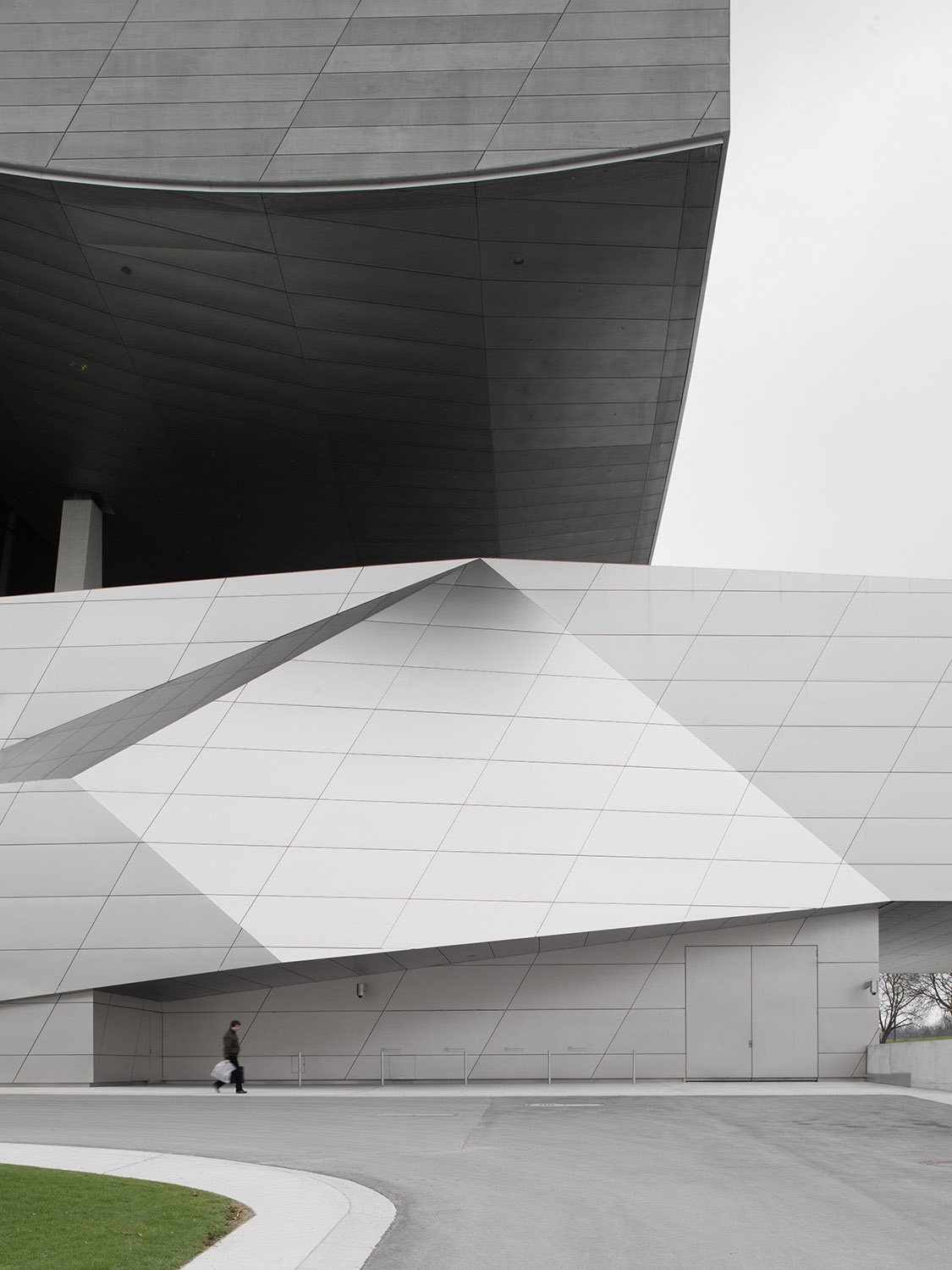
BMW Welt / Coop Himmelb(l)au

Serpentine Gallery Pavilion 2011 / Peter Zumthor

Cite de Vin, Bordeaux
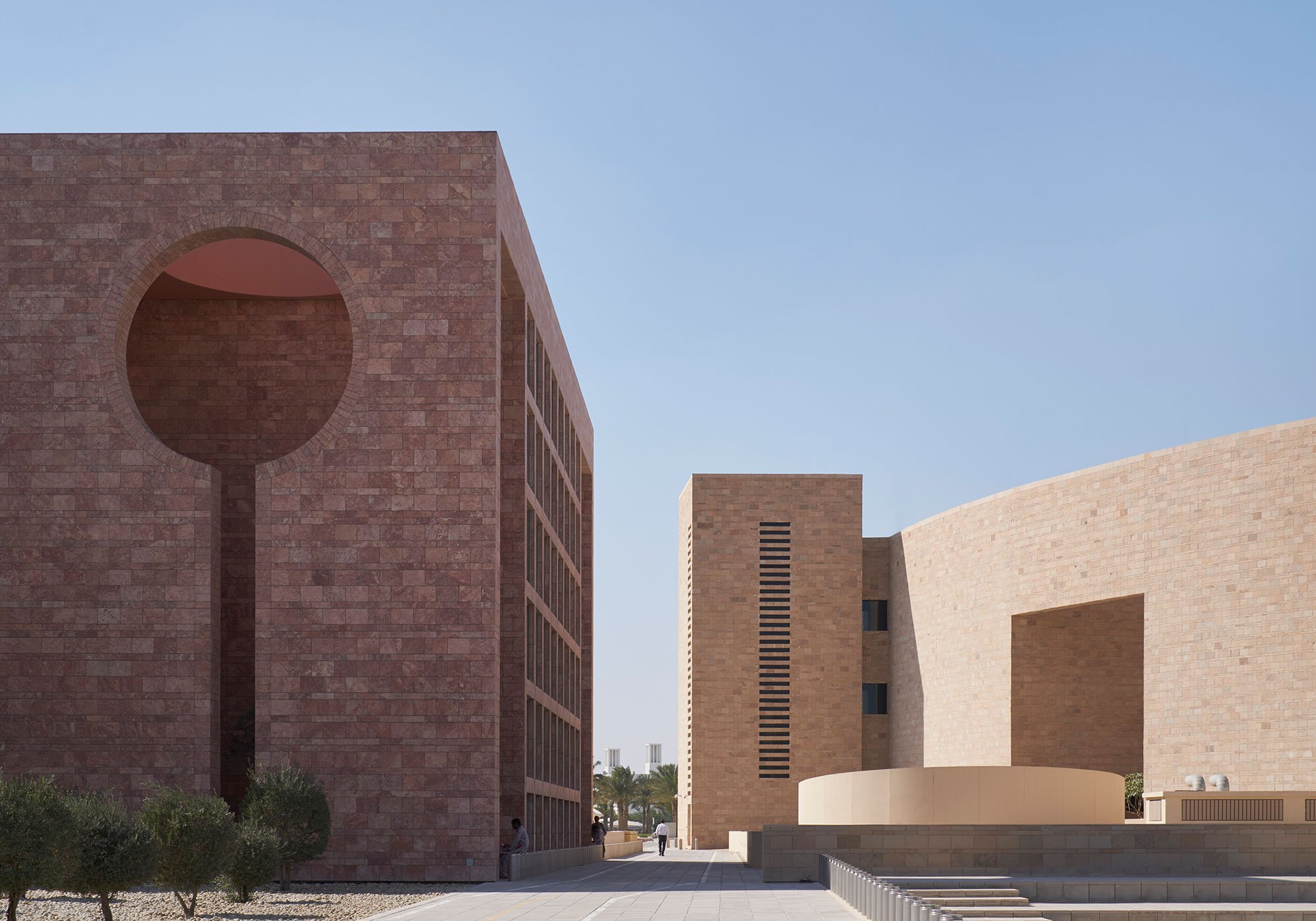
Education City Qatar
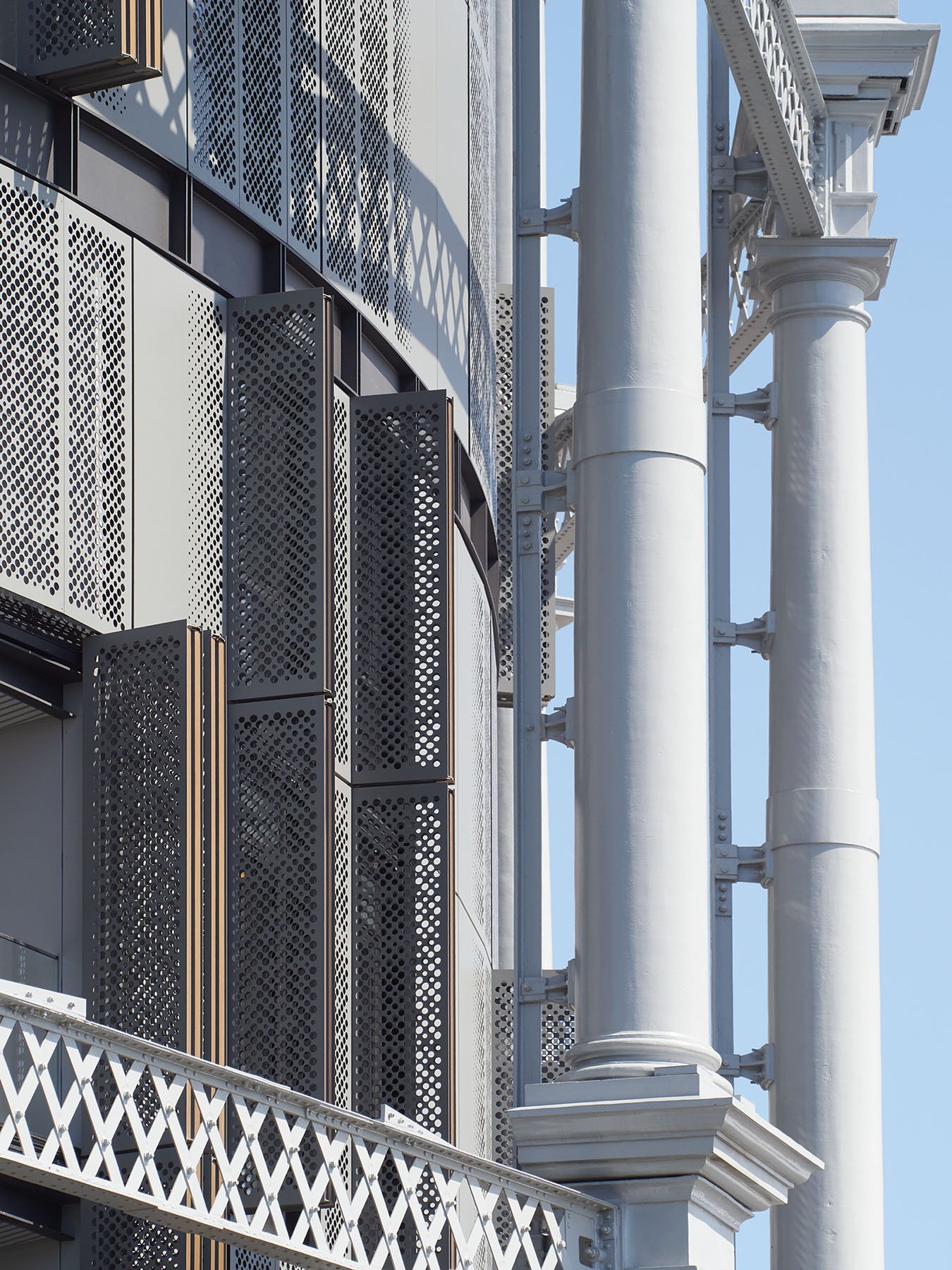
Gasholders, King's Cross / Wilkinson Eyre

City of Arts & Sciences / Santiago Calatrava

Girton College, Cambridge / Allies & Morrison

London Eye / Marks Barfield
Architectural Photography Services
Nick Guttridge works with eminent architects and developers to create lighting-led imagery that enhances composition, materiality and spatial intent.
Commissioned imagery is often used for RIBA award entries and as hero imagery for international marketing campaigns.
Architectural photography is the art of translating three-dimensional design into compelling two-dimensional form.
Using a range of cameras including Leica with shift lenses + a medium format Arca Swiss F Metric camera system, Nick controls perspective with precision — applying rise, fall and shift movements to maintain structural integrity and sculptural clarity.
Each commission is approached as a staged composition: balancing geometry, light, colour and human presence to create images suitable for publication, award submissions and long-term portfolio use.
My Approach to Light & Composition
Light is the foundation of my photography commissions for architects.
I am acutely aware of colour, proportion, texture and spatial rhythm within a frame. Architecture is not simply documented — it is interpreted through the careful balance of form and light. I often use shadow and silhouette to draw the eye deeper into the composition, allowing space to unfold gradually rather than revealing everything at once.
My background in Product Design at Central Saint Martins — influenced by Bauhaus principles — trained me to recognise the relationships between structure, material and geometry. The interaction of line, mass and negative space still informs how I compose. Each frame is considered as a constructed image: a balance of collision and harmony between materials & form.
Lighting is a defining element of my practice. Rather than overpowering a space, I shape and extend existing natural light to maintain tonal consistency and clarity. When required, I introduce carefully controlled artificial light to replicate the quality and direction of daylight, enhancing texture and depth while preserving authenticity.
Camera placement is equally critical. Positioning in relation to light determines how surfaces resolve — whether stone, timber, plaster or glass. I seek clarity without flattening, contrast without harshness, and atmosphere without distortion.
The aim is always the same: to create images that feel composed yet natural, technically precise yet quietly immersive.